-

What types of grapes are there? Introduction to common grape varieties
What types of grapes are there
-
What are the excellent processing-type yellow peach varieties? These few are worth planting
Since China joined the WTO in 2000, processing-type yellow peaches, which had been neglected for many years, have become popular again in recent years. From 2002 to 2004, the market price of yellow peaches was about 3 yuan/jin, and a fruit grower planting one mu of yellow peaches could earn the equivalent income of 3-5 mu of ordinary peaches. Therefore, the yellow peach cultivation area expanded rapidly across the country. To guide fruit growers in selecting yellow peach varieties, based on the standard that processing-type yellow peaches must have "golden yellow or orange flesh, high firmness, non-melting texture, no red pigment after ripening, and resistance to high-temperature steaming and boiling," we selected from more than a dozen yellow
-
Introduction to the Bartlett pear variety: getting to know this type of pear
Declaring unit: Shandong Provincial Fruit and Tea Technology Guidance Station. Approval status: recognized by the Shandong Provincial Crop Variety Approval Committee in 1993, and recognized by the National Crop Variety Approval Committee in 1994. Variety registration number: GS14002-1993. Variety origin: The Bartlett pear is a West Jersey pear, introduced into China from abroad in the early years, and is widely distributed in China, with the most cultivation in Shandong Province. Characteristics: Young trees are vigorous, with strong budding ability and medium branching ability
-
What is fruit-scented drunken jujube? A detailed look at this type of jujube
Ingredients and formula: 1 kg fresh jujubes, 20 ml baijiu (Chinese liquor), 5 drops orange flavoring (food grade). Method: 1. Select eight-ripe red jujubes that are undamaged, free of pests and diseases, and firm in texture, and wash them clean with water. 2. Pour the jujubes into a pot, add 20 ml baijiu, and stir evenly so the jujubes absorb the liquor, then drip in the orange flavoring and mix well. 3. Quickly place the jujubes into a plastic food bag, tie it tightly with string, put it in a cool place, and store sealed for 1 month, after which they are ready to eat. Product characteristics: ruddy color
-
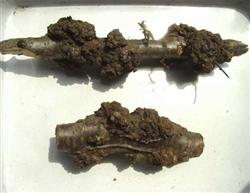
What are the pests and diseases of apricot trees? Detailed introduction to common types
What are the pests and diseases of apricot trees? What harm do they cause? What methods can be used to control them? We also ask experienced netizens to help explain. The main pests and diseases of apricot trees include apricot tumors, almond wasps, apricot fruit weevils, mulberry scale insects, apricot globular scale insects, etc. Zhongdiwang has compiled the harm and control methods of various pests and diseases, listed below...
-
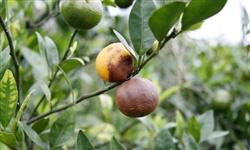
What are the common pests and diseases of citrus? A full breakdown of the main types
What pests and diseases affect citrus? How to prevent and control them? We ask fellow gardeners to help explain. The main citrus pests and diseases include anthracnose, gummosis, scab, citrus blossom midge, red spider mite, aphids, scale insects and mealybugs, etc. Zhongdiwang has compiled control methods for citrus pests and diseases, listed below for fellow gardeners' reference. Citrus disease prevention...
-
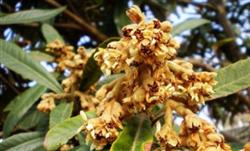
What pests and diseases affect loquat during the flowering period? A full breakdown of the common types
What pests and diseases affect loquat during the flowering period? How are these pests and diseases controlled? We would also welcome input from netizens who know about this. The main pests and diseases during the loquat flowering period generally include flower cluster rot, leaf spot disease, flat mites and other mites, the oriental fruit moth, the yellow tussock moth, and the peach fruit borer. If the above pests and diseases are not prevented and controlled in time, they will...
条件筛选