What are the pests and diseases of apricot trees? Detailed introduction to common types
What are the pests and diseases of apricot trees? What harm do they cause? What methods can be used to control them? We also ask experienced netizens to help explain. The main pests and diseases of apricot trees include apricot tumors, almond wasps, apricot fruit weevils, mulberry scale insects, apricot globular scale insects, etc. Zhongdiwang has compiled the harm and control methods of various pests and diseases, listed below...
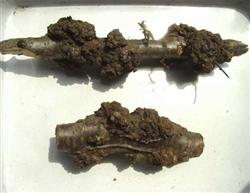 What are the pests and diseases of apricot trees? What harm do they cause? What methods can be used to control them? We also ask experienced netizens to help explain.
The main pests and diseases of apricot trees include apricot tumors, almond wasps, apricot fruit weevils, mulberry scale insects, apricot globular scale insects, etc. Zhongdiwang has compiled the harm and control methods of various pests and diseases, listed below for netizens' reference.
I. Harm of apricot tumors:
Apricot tumors generally occur on new shoots, leaves, flowers, and fruits of apricot trees. Symptoms usually begin to appear after petal fall, when new shoots have reached more than 15 cm in length. Affected tender shoots elongate slowly, initially appearing dark red, later turning yellow-green, with small slightly raised yellow-brown dots appearing on them. Diseased shoots easily dry up, and the fruits borne on them stagnate and shrivel, drop, or hang on the branches.
Control methods for apricot tumors:
When symptoms first appear on shoots and leaves, prune them off promptly and burn them in a centralized manner. If done continuously for 2-3 years, it can basically be controlled.
II. Harm of almond wasps:
Before the fruit ripens, larvae bore into and damage apricot fruits, causing premature dropping.
Control methods for almond wasps:
1. Pick up fallen fruits promptly and bury them deeply;
2. When apricot fruits are the size of beans (May), which is the larval egg-laying period, spray 2500-fold deltamethrin or fenvalerate, with good results.
III. Harm of apricot fruit weevils:
From April to June, adults feed on tender buds and flower buds; after petal fall they lay eggs and damage the fruit.
Control methods for apricot fruit weevils:
1. Manually capture adults during the flowering period;
2. Frequently pick up fallen fruits and destroy them promptly;
3. Spray 200-fold 50% wettable DDT to kill adults.
IV. Harm of mulberry scale insects:
They cause damage from late March to late October each year. Affected branches grow weakly and may even die.
Control methods for mulberry scale insects:
1. Before bud break, spray 5-degree lime sulfur mixture or apply 3-5-fold monocrotophos solution to trunks and branches;
2. In winter or early spring, brush off overwintering female adults on branches;
3. During the larval hatching period (June), spray 0.3-0.4-degree lime sulfur mixture.
V. Harm of apricot globular scale insects:
One generation occurs per year, with nymphs overwintering in the rough bark of branches. They begin sucking sap from shoots in April, and in severe cases the entire branch dies.
Control methods for apricot globular scale insects:
1. In early May, when the insect body is still soft, brush them off with a stiff brush;
2. Before bud break in early spring, spray 5-degree lime sulfur mixture or diesel oil emulsion with an oil content of 5%;
3. During the larval hatching period, spray 0.3-0.5-degree lime sulfur mixture.
Click to get more apricot tree cultivation techniques
Click to get more fruit cultivation techniques