-
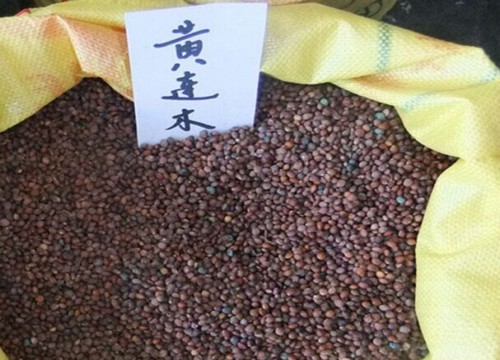
How to grow the trunk of a Chinese pistache bonsai? The key points are here
For growing the trunk of a Chinese pistache bonsai, around the Spring Equinox, dig out robust seedlings that have grown on the seedbed for a full 2 years; when digging, take care to protect the lateral roots and fibrous roots. To ensure the bonsai seedling's growth height does not exceed 80cm, all branches and trunks above 50-60cm on the newly dug seedling should be cut off
-
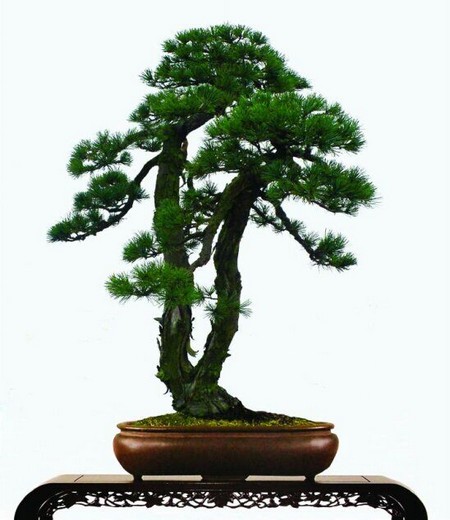
How to shape a pine bonsai in the tall-trunk weeping-branch style? Detailed practical tips
When we walk into the Wenzhou Bonsai Garden on Jiangxin Island, we are soon amazed and filled with admiration by the bonsai of varied shapes, fresh and graceful composition, and scenery that balances movement and stillness. Especially those tall-trunk weeping-branch style pine bonsai, revealing the great in the small, fully displaying the uprightness and vigour of the pine
-
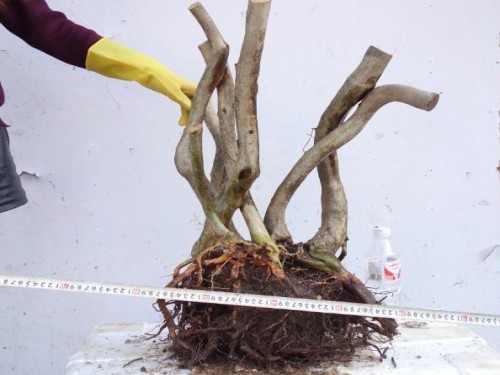
Key Points of Trunk Pruning Techniques for Stump Bonsai Material
Stump bonsai is a living art form in which old woody plants are planted in pots and, through years of artistic processing such as pruning, wiring and fertilizing, together with meticulous management, are made to develop powerful, vigorous trunks and lush, verdant foliage. It does not take its final form from the initial artificial shaping, but instead keeps growing and changing according to natural laws, therefore
-
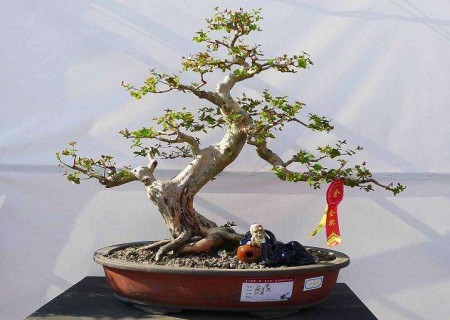
The correct method of trunk chopping and branch cultivation for tree stump bonsai
In shaping the branches of tree stump bonsai, the main goal is to create a beauty of lines. However, in practice, we also need to bring out various artistic embellishment techniques, trying to give the branches rise and fall, and a rhythmic sway, so that what we call lines can better express beauty
-

Detailed Guide to the Large-Trunk Split-and-Bend Technique for Penjing
For tree penjing, bending branches and trunks has always been one of the more difficult aspects to master in the styling process, especially when it comes to bending large trunks. This is because whether this step is done well or not directly affects the ornamental value of the penjing, and even its growth condition. After all, bending is one of the main means of building the skeleton of a penjing.
-
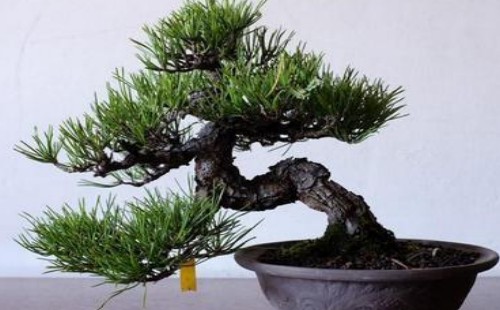
What are the shaping techniques for curved-trunk bonsai?
Curved-trunk bonsai not only have very elegant postures, but also present varied, rich and colorful forms; however, the shaping methods used are all the same, changing in countless ways yet never departing from their fundamental principle. Precisely because of this, we are often required to pay attention in daily life to observing the growth forms of various tree species in nature
-
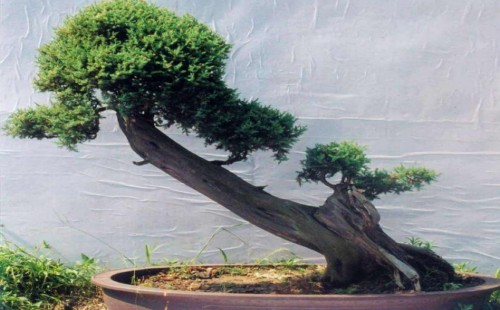
Detailed Explanation of the Styling Methods and Techniques for Slanting-Trunk Bonsai
There are many styles of tree bonsai, and the slanting-trunk style is one of the more common styling forms. Slanting-trunk bonsai has a tilted straight trunk, with roots gripping the ground firmly, and the center of gravity leaning to one side, making it look very steep and perilous. Although the straight trunk of a slanting-trunk bonsai is in a tilted state, its roots and base grip the ground firmly in the direction opposite to the straight trunk
-
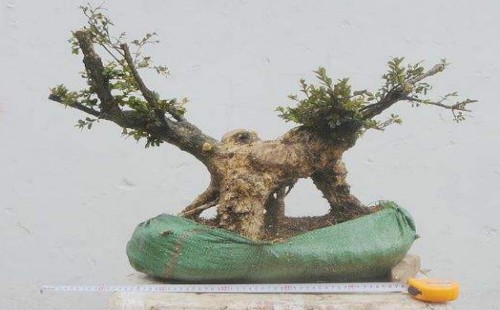
Methods and Techniques for Selecting and Removing Branches and Trunks in Boxwood Bonsai
Boxwood is a bonsai tree with strong sprouting ability and tolerance for pruning. As a bonsai, it requires regular pruning, especially the selection and removal of branches and trunks. As for which branches should be kept, which should be cut off, and to what extent certain branches should be pruned, we should have a clear and definite plan in mind
-
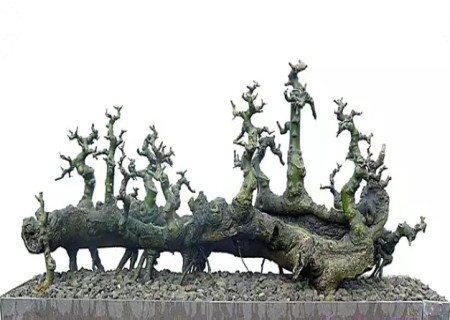
Lingnan Penjing Trunk Chopping and Branch Cultivation Techniques and Branch Direction Handling Methods
The creation of Lingnan penjing has always emphasized the direction of branches. Whether a perfect Lingnan penjing work can be created mainly depends on whether trunk chopping and branch cultivation are done properly, as is widely known. The direction of penjing plant branches is directly related to the overall layout of the work and its mutually reinforcing effect. Trunk chopping is a relative concept
-
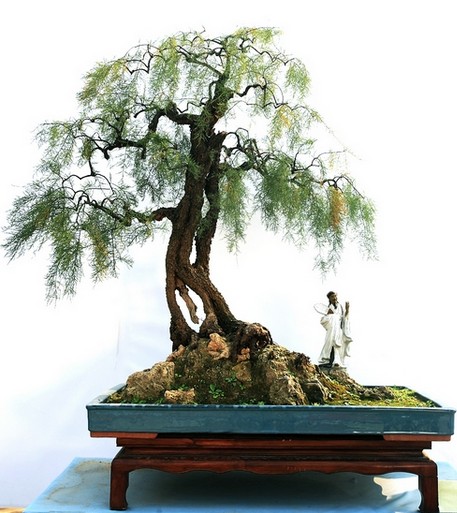
How are tamarisk trunk-on-rock bonsai made and collected?
The making of tamarisk trunk-on-rock bonsai is basically the same as that of other trunk-on-rock bonsai. Tang Qing'an, a provincial Zhongzhou bonsai art master and provincial bonsai art master, says that in making tamarisk trunk-on-rock bonsai, attention should be paid to aspects such as choosing the stone, choosing the pot, choosing the seedling and styling. In choosing the stone, you should choose stones with a hard texture
条件筛选