-
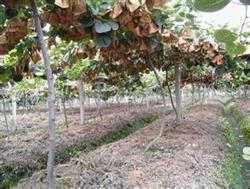
Three accuracy points for winter pruning of kiwifruit
Cultivation value: Kiwifruit originated in China, and because its fresh fruit is especially rich in vitamin C, it has become popular all over the world and has become an emerging fruit tree. In addition to vitamin C content being several to more than ten times higher than that of apples and sweet oranges, the fruit also contains vitamin P (rutin) and proteolytic enzymes, which can lower blood pressure and help...
-
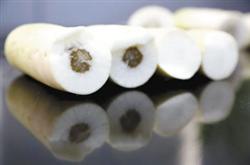
There are three things to beware of when growing radishes; pay attention to these points
The skin of the radish root develops horizontal thread-like black lines and becomes rough; in severe cases, the internal tissue discolors and spoils. The main causes are boron deficiency, excess chloride ions; a high groundwater table and poor drainage; and the application of inadequately decomposed fertilizer. Therefore, planting in low-lying land should be avoided; chlorine-containing compounds should not be applied or should be applied sparingly, and boron fertilizer should be applied in greater amounts....
-
Three-step early spring management for asparagus: technical points growers must see
Because asparagus prices have been low for the past two years, most asparagus growers have given up field management or intercropped other crops in asparagus fields, seriously affecting the growth, development and yield of asparagus. In addition, the snow disaster that occurred too early in 2009 froze the plants to death, resulting in less nutrient accumulation and a reduced number and differentiation of scale buds. If effective measures are not taken,...
-
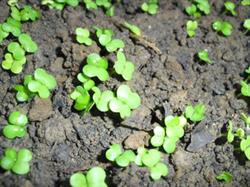
How to manage napa cabbage? Remember these three key points
Indoor seedling raising. The whole growth period requires 90 to 100 days, of which the seedling period is 30 days. During the seedling period, the required temperature is between 15°C and 28°C. Sow seedlings in early February; seedling raising requires geothermal heating facilities. Seedling containers can be low tubes or plastic pots, or nutrient squares can be cut. Keep the sowing spacing at 8 cm, sowing 2 to 3 seeds per pot or per hole...
-

Three things to avoid when growing eggplants - keep these key points in mind
Avoid too many cropping cycles. Many vegetable growers believe that the more cropping cycles, the more eggplants harvested and the higher the returns. But in fact, too many cropping cycles actually lower the returns. This is because eggplants have a certain growth pattern, and only by following this pattern can you achieve high returns. Solution: Adopt overwintering single main crop cultivation, planting one...
-
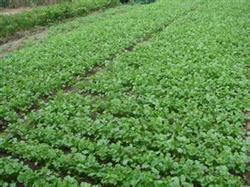
Delaying the harvest of cilantro requires careful attention: mastering these three points is key
Cilantro, also known as coriander, originated along the Mediterranean coast and is cultivated throughout both northern and southern China. Its leaves have a distinctive aroma and are the main edible part, while the seeds are an even better seasoning. Cilantro is a cool-season vegetable, and its traditional growing seasons have always been winter and spring. When grown out of season in summer and autumn, although yields are lower, market prices are high, making it a high...
-
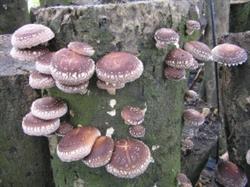
Three key points for shiitake mushroom management that mushroom growers must master
1. Selection of cultivation season. Shiitake mushrooms belong to the low-temperature type of fungi, and the mycelium can grow at temperatures between 5-32°C. As long as artificial cultivation can be properly regulated with suitable temperature and humidity, they can be cultivated all year round. However, inoculation and cultivation usually start from August to October, mushrooms begin to grow from November to October, production peaks around the Spring Festival, and by summer...
-
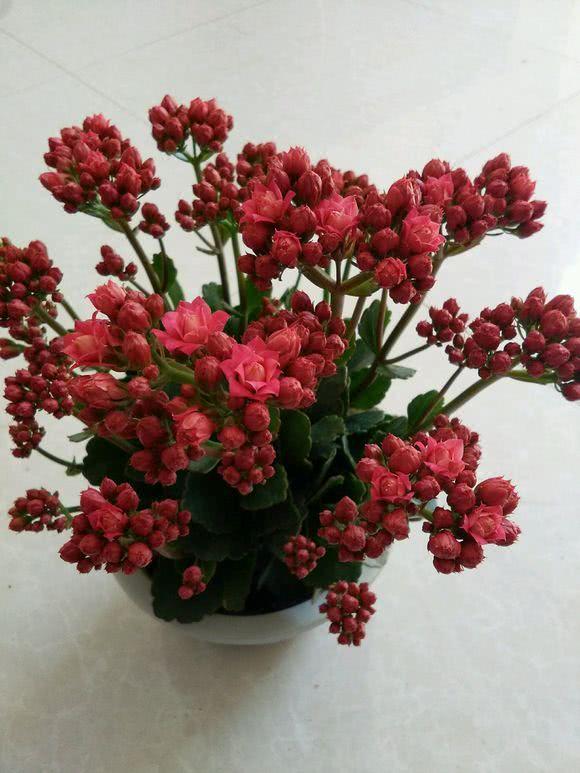
How to handle a Kalanchoe after it blooms? Three simple points to teach you
Kalanchoe is a clump-forming plant. It is not tall but has dense leaves, and the flowers it produces are very beautiful. Most importantly, its blooming period is very long, and it can bloom for 6 months of the year, so it is very suitable for friends who love to admire flowers to grow. So...
-
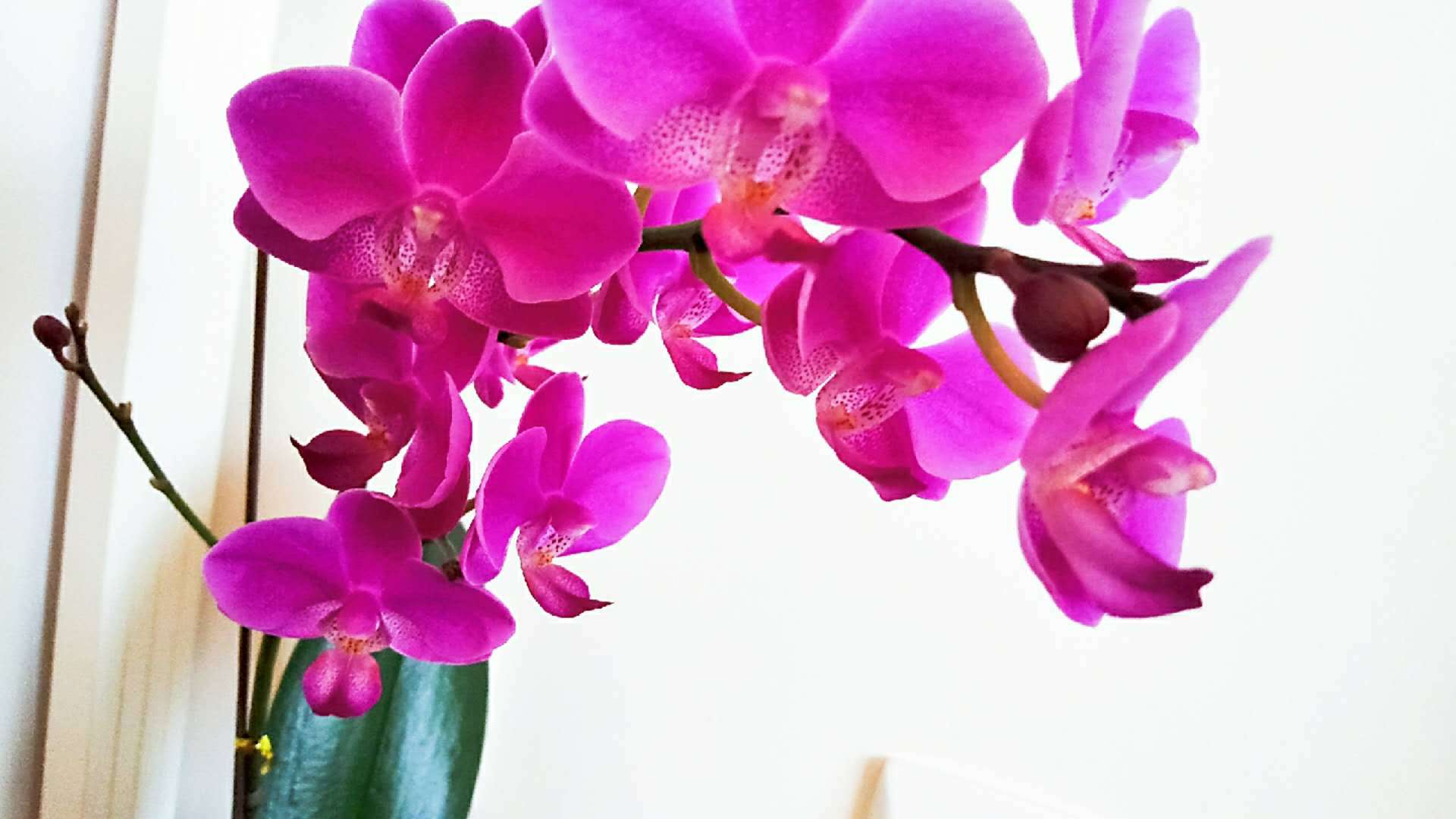
How to grow Phalaenopsis orchids? Remember these three points and you'll have flowers to enjoy every year
Phalaenopsis, native to tropical rainforests, is a type of orchid. Because its flowers look very much like butterflies, it is named Phalaenopsis (moth orchid)! Moreover, Phalaenopsis is not difficult to grow; generally, remembering three key points is enough to grow it well! Key point one: Phalaenopsis likes...
-

How to grow potted orchids? Master three key cultivation and management points
I. The three elements of a good substrate The so-called three elements are potting soil, water and fertilizer. (1) Potting soil. Orchids are perennial-root plants and require soil rich in humus, fertile and loose, with a pH of 5.5 to 6.5. For potting soil, use leaf mold, yellow clay, sawdust, pig and cow manure and a certain amount of compound chemical fertilizer, composted
条件筛选