Three-step early spring management for asparagus: technical points growers must see
Because asparagus prices have been low for the past two years, most asparagus growers have given up field management or intercropped other crops in asparagus fields, seriously affecting the growth, development and yield of asparagus. In addition, the snow disaster that occurred too early in 2009 froze the plants to death, resulting in less nutrient accumulation and a reduced number and differentiation of scale buds. If effective measures are not taken,...
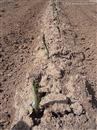 Step one: thoroughly clean the field. Now is a great time to clean an asparagus field. The dried aboveground stems from the previous year must be completely removed, and the remaining branches and fallen leaves should be raked clean as well. Together with the dead branches, they should be transported away from the asparagus field and burned or deeply buried, because if the spores or mycelium remaining on the branches and leaves stay in the asparagus field, they will multiply in large numbers during later growth and worsen the occurrence of stem blight.
After cleaning the field, the asparagus field must undergo one ground disinfection. Most asparagus growers have not done this, and attention must be paid to it. When disinfecting, spray the ground with 16% Junjing at 500 times dilution, or 45% Shnaning at 1000 times dilution, or 50% Shuangjisheng at 400 times dilution. Spray evenly and thoroughly during disinfection to ensure the disinfection effect.
Step two: apply fertilizer reasonably. In spring, asparagus generally needs about 30% of the total fertilizer requirement for the whole growth period. Fertilization is generally controlled at 50 kg of standard compound fertilizer and 100 kg of organic compound fertilizer per mu, applied in furrows opened 30 cm from the asparagus plants, with a furrow depth of about 15 cm. It must not be too close or too deep, so as to avoid damaging the roots. After topdressing, water once in time so the fertilizer effect can be exerted as soon as possible.
Step three: cover soil scientifically. Green asparagus generally is not ridged. When covering soil, it should be combined with loosening the soil and preserving moisture, and about 15 cm of soil should be properly placed over the asparagus plants. This can not only raise the ground temperature, prompting asparagus to sprout early and be harvested early and increasing yield, but also reduce the occurrence of weed damage. In spring, mastering the above 3 key measures can lay a solid foundation for a high yield that year.