-
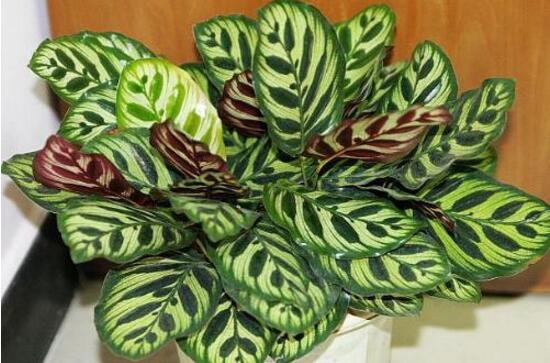
What to do if your Calathea makoyana won't grow tall? Do these 5 things for vigorous growth, and controlling fertilizer is key
Calathea makoyana is a beautiful foliage plant with broad leaves bearing a peacock-feather pattern that looks especially enchanting. But if the plant won't grow tall, beautiful leaves alone won't do, because the overall look will be awkward. So what should you do if your Calathea makoyana won't grow tall? For this, the editor has summarized 5 points; as long as you do them
-
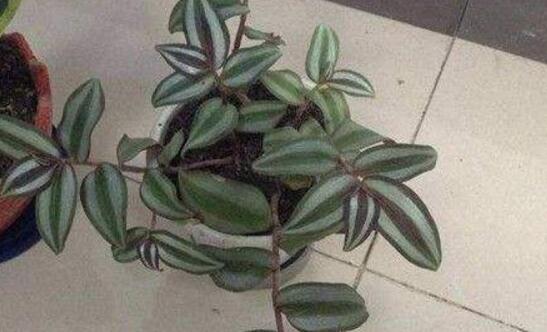
How to propagate Tradescantia zebrina by cuttings? Do these four things well and it will easily fill the pot
Tradescantia zebrina is loved for its unique leaves and stems, so some people want to grow a few more pots, and at that point they have to think about propagation. So how do you propagate Tradescantia zebrina? Here I will introduce two common and simple propagation methods for Tradescantia zebrina
-
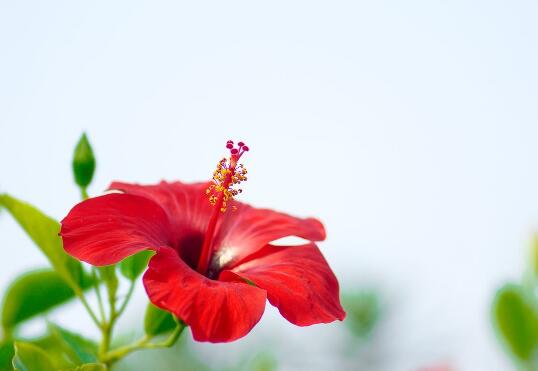
How to grow Chinese hibiscus: cultivation methods and things to note / plenty of sunlight
Chinese hibiscus, also known as fuchsang, is a flowering plant in the mallow family (Malvaceae) with high ornamental value, and it is cultivated by people in many regions of China. However, to grow it well, there are many things to pay attention to. How do you grow Chinese hibiscus? What are the cultivation methods and things to note?
-
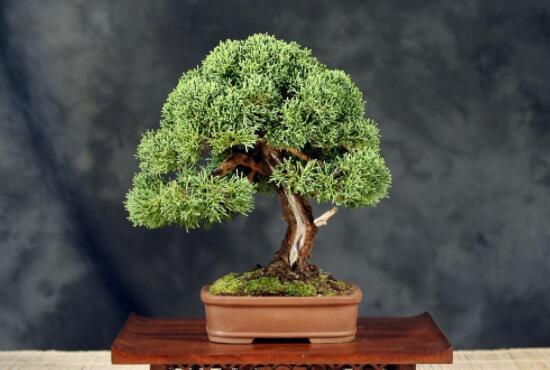
How to grow a banyan bonsai and things to watch out for: shade is needed in summer
Everyone is surely familiar with the banyan tree. It is the provincial tree of Fujian Province and has a very beautiful shape. Made into a bonsai, it decorates courtyards and bedrooms with extremely high ornamental value. In daily life, many people want to grow a banyan tree, so how do you grow a banyan bonsai? Below are the banyan growing methods and precautions selected by the editor.
-
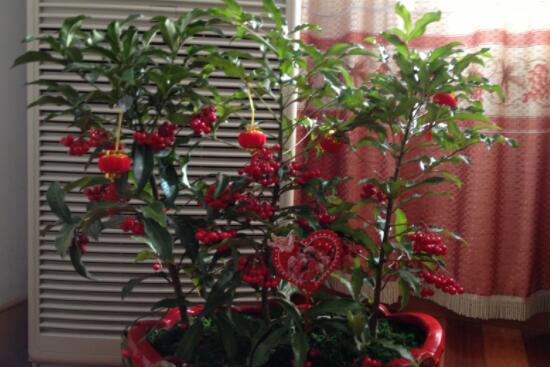
How to grow Ardisia crenata and things to keep in mind: avoid direct strong sunlight
Ardisia crenata, also known as "fugui zi" (wealth seed), is a plant grown both for its foliage and its fruit. Its red berries, paired with leaves that stay green all year round, look absolutely beautiful. In daily life, many people want to grow Ardisia crenata, so how do you grow it? Below is a carefully compiled guide to the growing methods and precautions for Ardisia crenata, very detailed.
-
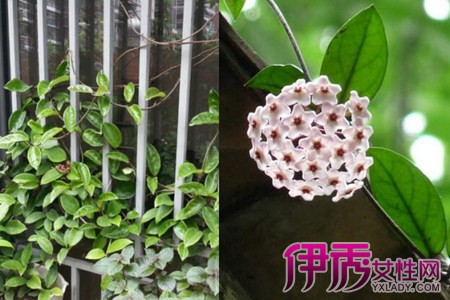
How do you care for a hoya? A professional grower teaches you the methods and things to watch out for
Every flower has certain requirements for growth, and hoya is certainly no exception. But many people don't know how to grow hoya so that it thrives even more; in fact, as long as you understand hoya's habits, you can get it to bloom normally
-
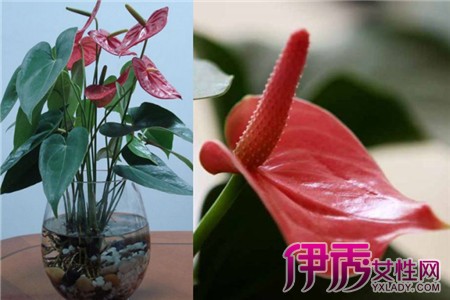
Anthurium care: get these three things right and grow healthy flowers
Anthurium is a very attractive foliage and flowering plant. Its stems are fairly short, so it is not used as a cut flower; instead, it suits small to medium-sized potted plants placed in the living room or office. In spring, during the flowering period, some of the anthurium's leaves turn bright red, standing out from the other green leaves.
-
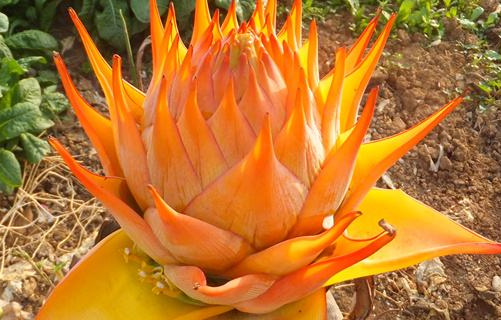
How to grow Musella lasiocarpa and things to note
Temperature: Musella lasiocarpa likes to grow in a warm environment, so in winter you need to keep the plant warm to prevent frost damage, as its cold tolerance is rather poor. Light: Musella lasiocarpa is very fond of sunlight, and during the growing season it needs to receive enough light to grow healthily; note that in summer
-
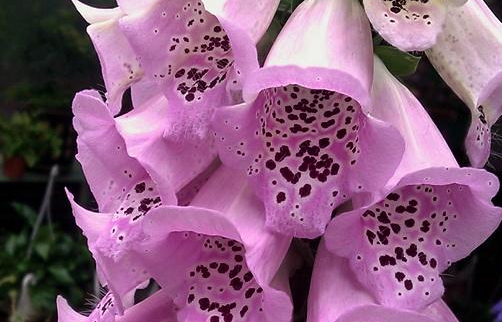
How to grow foxglove and things to note
Light: Foxglove loves sunlight very much, but it is not averse to slightly shady environments, and even likes them somewhat, though be careful the environment cannot be too shady. If it does not get enough light, the plant will grow leggy, affecting its appearance. Pay special attention to strengthening light when the plant is blooming
-
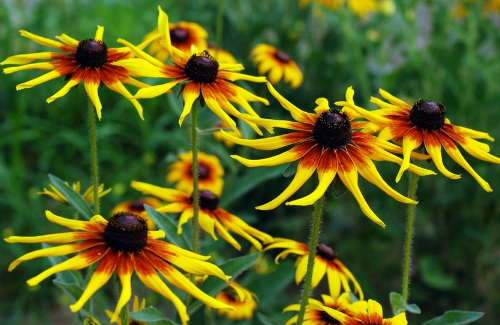
How to Grow Black-Eyed Susan and Things to Note
1. Soil: Because black-eyed Susan has strong adaptability, it is not demanding about soil; the soil only needs to be loose, airy and well-draining. We generally choose sandy soil, which is very suitable for the growth of black-eyed Susan. 2. Temperature: Black-eyed Susan likes a warm and well-ventilated growing environment.
条件筛选