How do you care for a hoya? A professional grower teaches you the methods and things to watch out for
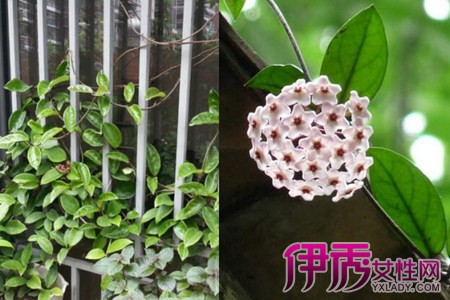
The hoya plant is a climbing plant, so when growing it you can place it near a railing. That way it looks very beautiful when it blooms. This kind of plant needs a larger pot, and it has to be on the deep side. That's because a deeper pot can hold more soil to supply the root growth of the flower. A tall, deep porcelain pot is very good.
After choosing a pot like this, you need to find nutrient-rich black soil. Soil that is black and loose is what lets hoya's roots take hold properly. Many people fail at growing it because they used very hard yellow soil, and this kind of hard yellow soil has a big impact on root growth. So it makes the flower's leaves look whitish. Soil from the forest where the branches and leaves have rotted is very good.
After planting the hoya, you need to get watering right. Hoya cannot be watered too much. With too much water, the roots may rot and the leaves may turn yellow, which will affect the normal blooming time. Each time you water, you can check that the inside of the pot isn't especially dry; don't let it always be very wet. Watering about once every 3-5 days is just right.
Once you've got the water amount under control, you need to control the temperature. Hoya doesn't like harsh sun. It is also afraid of temperatures that are too low. Many northern cities are exactly where hoya freezes to death in winter because the temperature wasn't managed well. So when it's cold, it's better to keep the hoya indoors, or you can start growing it again in early spring the following year.
When it's blooming, it easily attracts small white bugs. In that case, you can buy a 2-yuan bag of insecticide and spray it directly on them, which will kill the insects. Before spraying the insecticide, stir it evenly with water. After spraying, don't rush to spray water, otherwise it will affect the medicine's effect. After about 2 days, you can spray water on it.
Learn how to grow hoya and be a professional flower grower
Hoya itself is a kind of flower that isn't hard to grow, and many people grow hoya in pots. But hoya does have certain requirements for the pot in order to grow well. You should choose a tall pot, not a very short one. If the pot is too short, it holds much less soil, and that has a very big impact on root growth, so choosing a deeper pot is more suitable.
After choosing the pot, you need to find suitable soil. Having the flower without suitable soil is useless. For a flower to grow, it must have good soil to supply nutrients. You can go to a flower market and buy special soil. You can also go to the forest and use a sieve to sift out the rotted soil from under the branches and leaves. This kind of soil has a very good effect on the flower's growth.
After planting the hoya, you need to get the watering amount right. Right after planting, water more the first time. This can have a very good effect on root growth. But after growing it for half a month, you need to control the water amount and not use too much. When watering, feel whether the inside of the pot is dry. If it isn't dry, you can skip watering.
There is also temperature control. Many people get this wrong and then the petals fall off. Many northern cities get very cold in winter, and at times like that you must not keep the hoya indoors. Otherwise it may get frostbitten, or you may get frostbitten yourself. It's better to put it indoors in a sunny spot. The temperature hoya likes is around 25°C.
When it's blooming, small bugs easily appear. In that case, you can spray insecticide. But after spraying the insecticide, don't spray water, otherwise your insecticide won't be as effective. Especially if there are small children at home, put it up high so you can avoid danger.
How to grow the heart-leaf hoya: the benefits and effects of the heart-leaf hoya
The heart-leaf hoya is also commonly called the sweetheart hoya and can be grown indoors in pots. Today I'm going to share with you the growing methods for the heart-leaf hoya and its benefits and effects.
Growing methods for the heart-leaf hoya:
The heart-leaf hoya likes a warm, humid, semi-shaded environment. It is fairly tolerant of dryness, but afraid of waterlogging. April to October is the growing season for the heart-leaf hoya, and it should be placed in a spot with bright light but no direct sunlight. A shaded environment will cause the plant to grow leggy, making the leaves thinner and the stem nodes longer, greatly reducing the heart-leaf hoya's original ornamental value.
To water the heart-leaf hoya, you just need to follow the principle of "don't water until dry, and water thoroughly when you do." Normally you can often mist the plant to increase air humidity, making the leaves thick and plump, and it can also wash dust off the leaf surfaces, making them fresh and lustrous.
Apply a decomposed organic liquid fertilizer or compound fertilizer once a month. The fertilizer solution should be dilute rather than concentrated. During high summer temperatures, pay attention to good ventilation and avoid a stuffy, hot environment. In winter, place it indoors in a spot with plenty of sunlight, control watering, and let the plant go dormant; it can tolerate low temperatures of around 5°C. Every 1-2 years, the heart-leaf hoya needs to be repotted, and repotting should be done in spring. When repotting, trim off the rotted roots, then plant it in fresh growing medium.
The heart-leaf hoya is a vine plant, so you should set up a support for it to climb and grow on. It can be pinched back and tip-pruned regularly to encourage branching and form a plant shape with an even density; it can also be planted in a taller cylindrical pot so the branches grow downward, spreading and flowing with a distinctive look. During cultivation, be careful to remove withered leaves to keep the plant shape attractive.
The benefits and effects of the heart-leaf hoya:
1. The heart-leaf hoya is a unique foliage plant. Although this plant can also bloom, its flowers are rarely seen, so it is mainly grown for its leaves. Its leaves are emerald green and thick, with an alluring form, and it is the favorite distinctive plant for display in scenic spots, conference venues, and homes across various places. Wherever it is present, there is an extra touch of nature's greenery.
2. The heart-leaf hoya has a strong ability to absorb harmful substances in the air such as carbon dioxide, sulfur dioxide, and formaldehyde, which can make the environment people live in purer and the air fresher. In addition, this heart-leaf hoya is also the best gift for friends and loved ones; giving it represents deep affection and the passing on of love.
3. The heart-leaf hoya also has certain medicinal effects and can clear heat and detoxify. After this plant is used as medicine, it is mostly for external use, and it can treat various insect bites as well as conditions such as dermatitis and eczema. The specific treatment method is to take a leaf of the heart-leaf hoya, extract the juice inside directly, and apply it directly to the area that needs treatment, which can reduce swelling and relieve itching.
The above is the knowledge I've shared with you. The heart-leaf hoya not only has cute leaves, but its flowers are also very beautiful. Friends who like growing flowers and plants might as well try planting a heart-leaf hoya.