-

Three things to note when cultivating oyster mushrooms in winter
Mushroom yard selection The ideal site suitable for winter cultivation is a mushroom yard with warming and insulation conditions, such as an indoor mushroom house equipped with warming conditions, a warmer underground mushroom yard, and a raised-bed mushroom yard using plastic greenhouse cultivation, etc. The temperature of this type of mushroom yard can be controlled above normal temperature, which is beneficial to mycelial growth and can also promote earlier fruiting. Usually, for early winter cultivation, an outdoor mushroom yard can be chosen; for late winter cultivation, an indoor mushroom house should be chosen. Strain selection Winter-cultivated oyster mushrooms can be divided into two types according to the fruiting period arrangement: winter cultivation with winter fruiting and winter cultivation with spring fruiting. For the former, low-temperature type varieties
-
Things to note when potting and repotting azaleas
Azaleas should be potted once the cuttings have taken root. For pots, clay pots with good permeability are best, purple sand pots come second, and glazed pots and porcelain pots are the worst. When potting, pay attention to choosing the size of the pot, and never use a large pot for a small seedling. If the pot is too large, the potting soil stays wet for a long time, aeration will be poor, and at the same time the roots can easily fail to reach the pot wall, affecting the development of the seedlings. Generally, for rooted cuttings you can choose a clay pot with a diameter of about 10 cm, and after one year repot into a flower pot of about 15 cm. When potting, pay attention to making a good drainage layer: first cover the drainage hole with a piece of tile, then put
-
Can Turtles and Fish Be Kept Together? A Few Things to Know Before You Start
Turtles and fish can be kept together. For mixed turtle-fish culture, the stocking ratio is as follows: per 0.07 hectares, stock 300 silver carp (specification 20-25 g each), 80 bighead carp (specification about 25 g each), 120 grass carp (specification 50-125 g each), 80 common carp (specification about 25 g each), and 80 blunt snout bream (specification 12.5-25 g each). Then stock about 1,200 turtles aged 3-6 years. Fish fingerlings are best stocked before the Spring Festival, while turtles are best stocked after the beginning of spring, when the water temperature has stabilized above 15
-
4 Things to Note When Introducing Pet Rabbits
As the pet rabbit market grows increasingly prosperous, more and more people are introducing pet rabbits, but all kinds of problems have followed. Some people spend a lot of money to buy so-called pet rabbit breeding stock, only to find that when the breeding season arrives, the rabbits do not come into heat. After inquiring carefully, they learn that the rabbits have been sterilized and simply cannot reproduce, so half a year has been wasted for nothing. Some buy rabbits home but the rabbits cannot survive at all, because no breeding techniques were provided, and they just feed them like ordinary rabbits. The result is that the sudden change in living conditions, combined with the abrupt switch in feed, causes the young rabbits to fall ill and die one after another.
-
Three things to avoid when feeding vegetables to rabbits; rabbit keepers need to know this in advance
First, avoid using vegetables that have been piled up and turned yellow. Feeding rabbits with vegetables that have been piled up and turned yellow will cause nitrite poisoning in rabbits, and in severe cases can lead to death. Therefore, when feeding rabbits with vegetables, always make sure they are fresh, and do not feed too much at a time; it is best to feed them together with other feed. Second, avoid cruciferous vegetables. Cruciferous vegetables contain sinigrin, which can produce some toxins that promote thyroid enlargement and severely damage the rabbit's liver and kidneys. Third, avoid vegetables damaged by pests. Feeding rabbits with vegetables infested by aphids, cabbage caterpillars, and the like
-
How to prevent mushroom wilting? Doing these six things well is key
1. Mix the substrate and prevent early When using corn cobs, wheat straw, or rice straw as the main material, add 5% bran or 4% fermented decomposed livestock and poultry manure. When using nitrogen-rich cottonseed hulls as the main material, no nitrogen source needs to be added, but mite damage must be controlled; spray 800-fold trichlorfon solution when mixing the substrate. 2. Keep acidity and alkalinity moderate The amount of lime added during mixing should reach 5%. After each mushroom flush is harvested, spray 1% lime water or 4% wood ash water to raise the pH of the growing substrate. 3. Ensure ventilation and air exchange Within 4 days after sowing, around 10 o'clock each day
-
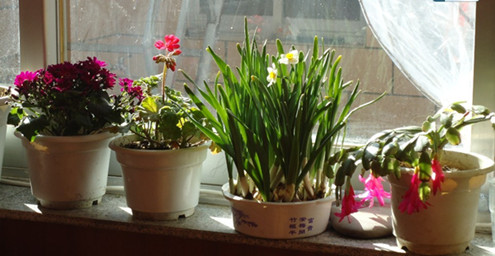
What are the precautions for growing flowers in winter? Do these few things well
Most people think that once they move their flowers indoors, they are safe and can relax. Actually this is not the case. After flowers are brought indoors, there are still four taboos: - Taboo 1: indoor temperature too high. Many flowers enter dormancy or semi-dormancy in winter and need quiet rest and full relaxation. Whether in a living room or on a balcony
-
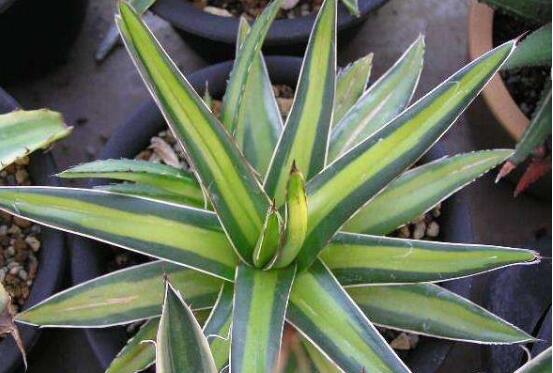
What to do when Agave leaves turn yellow? Do these 4 things well, give more sun and water less
Agave, a very special plant, has firm leaves and stays evergreen all year round, and many flower lovers like to grow it. However, during the growing process, for various reasons, the symptom of yellowing leaves can appear, so what should be done when Agave leaves turn yellow? First we have to calmly find the cause, then solve it accordingly
-
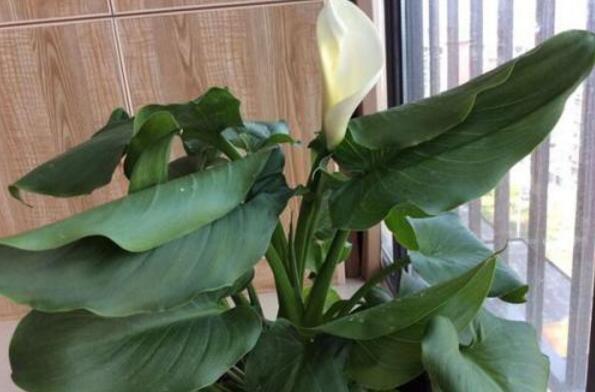
Why is my calla lily plant wilting? Do these 4 things to bring it back to life
The beauty of the calla lily lies in its neat, upright plant form and in its pure white, delicate flowers. Every year as the year draws to a close, the calla lily blooming season arrives, and we can enjoy a visual feast. However, due to improper care and other reasons, the plant can develop problems, such as yellowing and wilting calla lily leaves.
-
How to grow saffron crocus? Cultivation methods and things to note, sunlight must be sufficient
Saffron crocus is a fairly common plant in people's lives, first introduced to China during the Ming Dynasty. How to grow saffron crocus is related to sunlight, watering, fertilizing and other aspects. As for the specific cultivation methods and things to note for saffron crocus, let me walk you through them below.
条件筛选