-
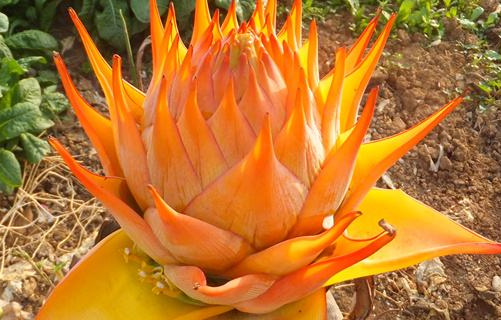
How to grow Musella lasiocarpa and things to note
Temperature: Musella lasiocarpa likes to grow in a warm environment, so in winter you need to keep the plant warm to prevent frost damage, as its cold tolerance is rather poor. Light: Musella lasiocarpa is very fond of sunlight, and during the growing season it needs to receive enough light to grow healthily; note that in summer
-
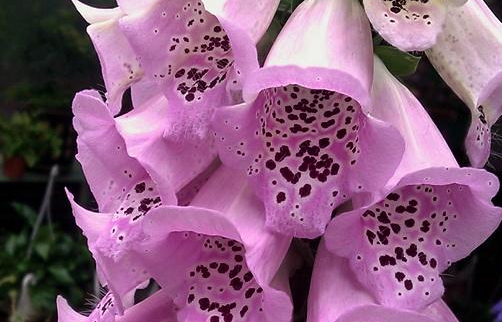
How to grow foxglove and things to note
Light: Foxglove loves sunlight very much, but it is not averse to slightly shady environments, and even likes them somewhat, though be careful the environment cannot be too shady. If it does not get enough light, the plant will grow leggy, affecting its appearance. Pay special attention to strengthening light when the plant is blooming
-
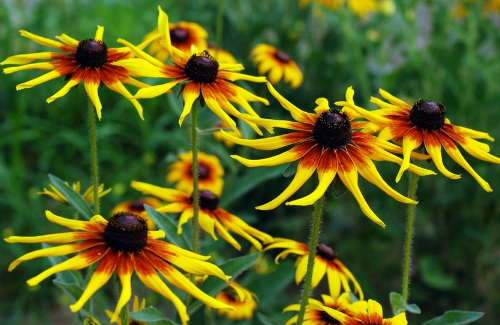
How to Grow Black-Eyed Susan and Things to Note
1. Soil: Because black-eyed Susan has strong adaptability, it is not demanding about soil; the soil only needs to be loose, airy and well-draining. We generally choose sandy soil, which is very suitable for the growth of black-eyed Susan. 2. Temperature: Black-eyed Susan likes a warm and well-ventilated growing environment.
-
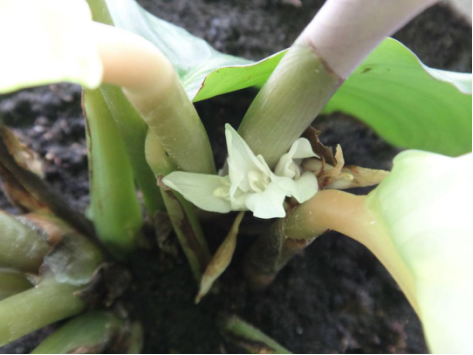
How to Grow and Care for Calathea orbifolia: Methods and Things to Note
Temperature Calathea orbifolia loves a warm and stable environment, so its resistance to heat is very low, but Calathea orbifolia is not only afraid of high temperatures, its cold tolerance is also very poor. Therefore, the most suitable temperature range for the growth of Calathea orbifolia is 18-30°C. In late spring and early summer, once the ambient temperature exceeds 25°C
-
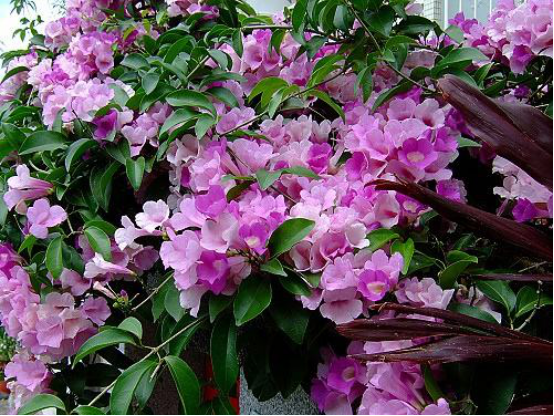
How to Grow Garlic Vine: Planting Methods and Things to Note
1. Choosing the pot and soil: If you want to grow garlic vine at home, the requirements for choosing a flower pot are relatively high. You should choose a pot suitable for garlic vine to climb or trail, and as for the soil, avoid choosing soil that is too moist and not breathable; choose relatively loose, free-draining soil
-

How to Grow Sinocalycanthus chinensis and Things to Note
1. Light and Temperature Sinocalycanthus chinensis can tolerate a brief high temperature of 40°C and a low temperature of -15°C. Sinocalycanthus chinensis likes a warm, humid environment with not-too-strong sunlight, which is more suitable for its growth. If Sinocalycanthus chinensis is exposed to full sunlight for a long time, its leaves will turn yellow and its growth will suffer.
-

-
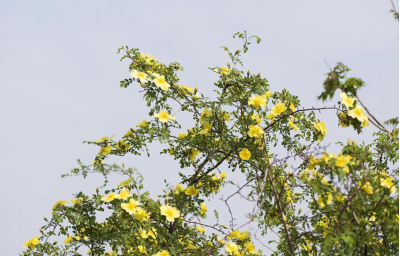
What are the cultivation methods and precautions for Rosa xanthina?
I. Fertilizing First, it is necessary to apply one to two spadefuls of decomposed compost as a base fertilizer in the hole where the Rosa xanthina seedling is placed. Note here that after planting, Rosa xanthina needs to have a fairly large number of branches pruned and to be watered thoroughly, then watered again after about 3 days; this can greatly increase the survival rate of the young Rosa xanthina seedlings.
-
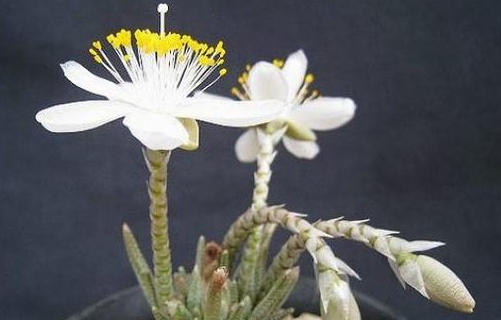
How to Grow White-Flowered Avonia quinaria? Care Methods and Things to Note
1. Potting soil: If we are rooting White-Flowered Avonia quinaria from cuttings, we need to choose a loose, fertile soil, and to prevent waterlogging and allow the roots to breathe, our soil also needs to have good drainage and aeration, so that the potting soil will not become waterlogged and the roots can breathe normally.
-
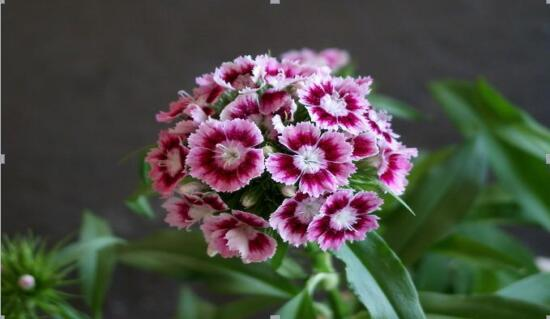
How to grow Dianthus chinensis and things to note
1. Light: Dianthus chinensis needs 6 to 8 hours of light every day. In midsummer, full sun should be avoided, and exposure to blazing sun should be avoided. 2. Soil: Dianthus chinensis should be planted in fertile, alkaline clay soil that drains well and has small holes in the base. It can be grown in a mixed soil of garden soil, compost and sand at a ratio of 6 to 2 to 2.
条件筛选