How to Grow and Care for Calathea orbifolia: Methods and Things to Note
Temperature
Calathea orbifolia loves a warm and stable environment, so its resistance to heat is very low, but Calathea orbifolia is not only afraid of high temperatures, its cold tolerance is also very poor. Therefore, the most suitable temperature range for the growth of Calathea orbifolia is 18-30°C. In late spring and early summer, once the ambient temperature exceeds 25°C, you must build a shade frame for it, and then by spraying water on the leaves and inside the frame, create the most suitable environment for it.
In winter, if the room temperature is below 5°C, the leaves of Calathea orbifolia will suffer severe freezing damage. Therefore, in late autumn, you should move Calathea orbifolia to a sunny place for care.
Light
Calathea orbifolia likes partial shade; be sure not to expose it to direct sun, to avoid severe scorching. Otherwise the leaves will become dull and lose their luster, affecting their beauty. Therefore in winter it should be placed in a greenhouse for supplemental lighting. In daily life it can be placed indoors as a potted ornamental plant, and should be placed in front of a window with sufficient diffused light.
Water
Calathea orbifolia likes moisture, so during its growing season water it thoroughly once a day, and you may spray it appropriately to maintain moisture. In winter, strictly control the amount of water; excessive moisture will prevent proper drainage, cause root rot, and make the leaves wither.
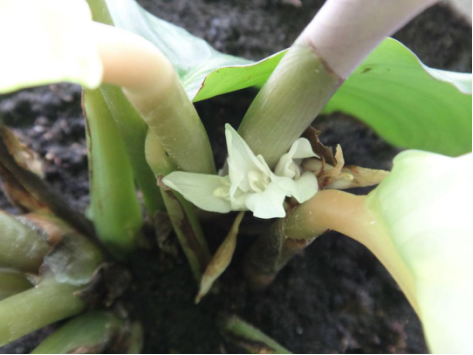
After the flowers bloom in spring, new leaves will grow again. At this time you should not water too much either; as the new leaves grow, gradually increase the amount of water.
Soil
Calathea orbifolia is best suited to well-drained, fertile, slightly acidic humus soil.
Fertilizing
During the growing period, apply a dilute organic fertilizer once a week. In summer, if the temperature is above 32°C, stop fertilizing immediately. In late autumn and early winter, stop all topdressing as well, otherwise the plant will suffer root rot.
How about it? Cultivating a lovely little flower beneath layers of lush branches and leaves, do you have that unique feeling of having found treasure? That is all for today's introduction; I hope reading this article has helped you, and thank you for reading!
How to Grow Calathea orbifolia: Growing Methods for Calathea orbifolia
Calathea orbifolia is a beautiful foliage plant that is especially appealing, suitable for placing indoors for viewing, and it can also green up the environment, but how should this Calathea orbifolia be grown? What are its growing methods? In a moment the editor will write out the growing methods for Calathea orbifolia; friends who like this plant can focus on learning about it.
Growing Methods for Calathea orbifolia1. Temperature for growing Calathea orbifolia
To grow Calathea orbifolia well, temperature is very important. This plant is not heat-tolerant and fears high temperatures, and its cold tolerance is also relatively poor. It likes to grow in an environment of 18 to 30 degrees; when the temperature exceeds 30 degrees, shade treatment should be carried out and water sprayed on the leaves. In winter it cannot be placed in an environment below 10 degrees; when the local temperature is below 5 degrees, Calathea orbifolia will suffer frost damage.
2. Light for growing Calathea orbifolia
Calathea orbifolia is a green plant that likes a partial-shade environment, fears high temperatures and direct sun, and cannot be placed under strong light, otherwise its leaves will be scorched and will also lose their luster, noticeably reducing its ornamental value. Usually when growing Calathea orbifolia, placing it in an environment with sufficient diffused light is most suitable.
3. Fertilizer and water management for growing Calathea orbifolia
Calathea orbifolia likes a moist environment. During its peak growing season, it should be watered once a day, and water should also be sprayed on the leaves, but water must not be allowed to accumulate in the flowerpot. After entering winter, water should be controlled in time, otherwise its roots will rot and it will die. In addition, Calathea orbifolia is a fertilizer-loving plant; during the peak growing season it can be fertilized once a week, and the fertilizer can be a dilute cake fertilizer, but after entering winter the frequency of fertilizing should be reduced, once a month is enough.
How to Grow Calathea orbifolia: Growing Methods and Things to Note for Calathea orbifolia
Many people are surely familiar with Calathea orbifolia; it is a very common plant. Calathea orbifolia has high ornamental value, so many people choose to grow it. Surely what everyone cares about most before growing it is its growing methods! Let us learn about it together below!
How to Grow Calathea orbifolia
1. Strengthen control of room temperature; a nighttime temperature of 18°C is most suitable, and during the day it should reach 20-22°C.
2. At noon, ventilate appropriately to maintain the best growing humidity.
3. Observe and care for it, pay attention to the occurrence of diseases, and do not water too much.
4. Promptly cut off diseased leaves and isolate diseased and residual plants.
5. Strengthen fertilizer and water management; when watering, water gently and slowly, not too quickly, to prevent splashing onto the leaf surface.
Growing Methods for Calathea orbifolia
1. Temperature. Calathea orbifolia likes a warm and mild environment, so it is not heat-tolerant, fears high temperatures, and has poor cold tolerance. The suitable temperature for its growing environment is 18-30°C. In late spring and early summer, when the ambient temperature exceeds 25°C, you should build a shade frame and spray the environment with water to create a cool, ventilated, moist and shady environment. Winter ambient temperature. It must not be lower than 10°C; if the room temperature is below 5°C, Calathea orbifolia will suffer severe freezing damage. Generally speaking, in late autumn, Calathea orbifolia should be promptly moved indoors to a sunny place for protection and overwintering.
2. Light conditions. Calathea orbifolia likes partial shade and avoids direct sun under high temperatures; be sure not to let the leaves suffer severe scorching. This causes the leaves to become dull and lusterless, losing their original beauty. Therefore in winter it should be placed in a greenhouse for supplemental lighting. In daily life it can be placed indoors as a potted ornamental plant, and should be placed in front of a window with sufficient diffused light.
3. Water conditions. Calathea orbifolia likes a moist environment, so during the growing season it should be watered thoroughly once a day, and spraying on the leaves and around the environment should also be strengthened to maintain a certain degree of moisture and not be too dry. In winter, strictly control watering; if the potting soil is too wet, drainage will be poor, the roots will rot, and the leaves will wither. After spring is full and the flowers bloom, the plant will send out new leaves again. When new leaves sprout, you should not water too much either; as the new leaves increase, gradually increase the amount of watering, which is beneficial to the healthy growth of the plant.
4. Soil conditions. Calathea orbifolia likes well-drained, fertile, slightly acidic humus soil. The potting soil should be mixed and prepared using humus soil fertilizer plus river sand.
5. Fertilizing method. During the growing period, Calathea orbifolia should be given a dilute organic fertilizer once a week. Potted plants are suitable for placement in homes and public places for viewing. When entering the high-temperature summer season, when the temperature is above 32°C, fertilizing Calathea orbifolia should be stopped. In late autumn and early winter, stop all topdressing, otherwise it will cause root rot in the plant.
Things to Note for Calathea orbifolia
In winter, Calathea orbifolia should be kept with the potting soil slightly dry to help it overwinter. Usually, watering should not be excessive either, otherwise root rot or root diseases may occur; if the plant is too shaded, the silvery-gray stripes on the edges of the leaves of Calathea orbifolia will darken, affecting the ornamental effect. When fertilizing, pay attention to the ratio of nitrogen, phosphorus and potassium; do not apply nitrogen fertilizer alone, otherwise it will affect the leaf color.
Pest Control for Calathea orbifolia
1. Calathea orbifolia scale insects. Control method: For the control of scale insects, you can spray pesticide on them during the nymph stage. At this time most scale insects have just hatched, and the scale has not yet formed, so pesticide can kill them; spray once every 7-10 days with a 1000-times dilution of 40% omethoate.
2. Calathea orbifolia red spider mites. Control method: Keep the air circulating, the environment ventilated, and the humidity above 40%; frequently spraying water on the leaves can prevent red spider mites from multiplying into a disaster. A 1000-times dilution of 20% dicofol can be used for spraying and killing.
The growing methods for Calathea orbifolia are actually quite easy as long as you master the techniques. You can start by understanding its growth habits. In the later stages of growing it, you need strong pest control and fertilizer and water management; only by doing these tasks well can you ensure it grows well and has high ornamental value.