-

Things to Know About Introducing Edible Mushrooms and Key Points for Winter Pest Control
Edible Mushrooms Also Need Pest Control in Winter
-
Prevention methods for thin-skinned mushrooms that open their caps early
Because the temperature alternates between cold and hot, the temperature varies greatly, and the day-night temperature difference reaches 10-15°C. When the mushroom house is ventilated excessively, or the temperature remains above 18°C for a long time, causing the mycelium to grow quickly and the mushrooms to fruit too densely, the fruiting bodies are prone to developing thin-skinned, cap-opening mushrooms with slender stipes, thin caps and early cap opening. Preventive measures: scientific management. Ventilate and spray water in appropriate amounts; when the weather changes suddenly, strengthen management and maintain suitable temperature and humidity in the mushroom house; during fruiting, the humidity should be kept at 12-16°C, and excessively dense mushroom buds should be removed appropriately.
-
What causes mushrooms to have a thin cap skin and open their caps prematurely?
Symptoms: The fruiting bodies have thin stems and thin caps, and open their caps prematurely. Causes: Excessive mushrooming density, too high a temperature in the mushroom house, insufficient relative air humidity, overly dry casing soil on the bed surface, and rapid growth of the fruiting bodies can all lead to a thin cap skin and premature cap opening. Preventive measures: Appropriately control the mushrooming sites, ventilate the mushroom house in the early morning and evening, lower the temperature in the mushroom house, and appropriately increase the moisture of the casing soil on the bed surface and the relative air humidity.
-
Three things to note when cultivating oyster mushrooms in winter
Mushroom yard selection The ideal site suitable for winter cultivation is a mushroom yard with warming and insulation conditions, such as an indoor mushroom house equipped with warming conditions, a warmer underground mushroom yard, and a raised-bed mushroom yard using plastic greenhouse cultivation, etc. The temperature of this type of mushroom yard can be controlled above normal temperature, which is beneficial to mycelial growth and can also promote earlier fruiting. Usually, for early winter cultivation, an outdoor mushroom yard can be chosen; for late winter cultivation, an indoor mushroom house should be chosen. Strain selection Winter-cultivated oyster mushrooms can be divided into two types according to the fruiting period arrangement: winter cultivation with winter fruiting and winter cultivation with spring fruiting. For the former, low-temperature type varieties
-
How to prevent mushroom wilting? Doing these six things well is key
1. Mix the substrate and prevent early When using corn cobs, wheat straw, or rice straw as the main material, add 5% bran or 4% fermented decomposed livestock and poultry manure. When using nitrogen-rich cottonseed hulls as the main material, no nitrogen source needs to be added, but mite damage must be controlled; spray 800-fold trichlorfon solution when mixing the substrate. 2. Keep acidity and alkalinity moderate The amount of lime added during mixing should reach 5%. After each mushroom flush is harvested, spray 1% lime water or 4% wood ash water to raise the pH of the growing substrate. 3. Ensure ventilation and air exchange Within 4 days after sowing, around 10 o'clock each day
-
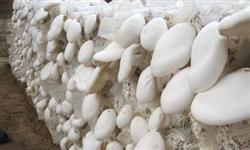
There are six things to avoid in mushroom cultivation; steer clear of them to grow better
1. Insufficient pre-wetting: The straw should be soaked thoroughly. Straw that has not been soaked enough requires a large amount of water replenishment when the pile is turned. If the water cannot be made up before the second turning of the pile, it will affect the growth of the mycelium. 2. Uneven turning of the pile: It should be turned according to the principle of "put raw material in the middle, put cooked material on both sides; put the middle at the two ends, and put the two ends in the middle"...
-
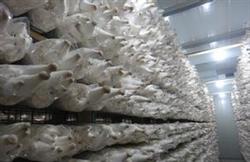
Key Techniques and Methods for Thinning Buds in King Oyster Mushroom Cultivation
During the cultivation of king oyster mushrooms, growers often fail to carry out the necessary bud thinning in time, which leads to many small mushroom buds growing on both sides of the mushroom bag after primordium differentiation, ranging from a few to as many as dozens. However, due to the limitations of nutrients and space, most of these buds cannot develop into marketable mushrooms and lose their commercial value...
-
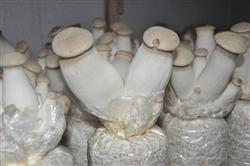
Detailed Explanation of King Oyster Mushroom Bud Thinning Methods and Technical Key Points
During the cultivation of king oyster mushrooms, growers often fail to carry out the necessary bud thinning in time, which leads to many small mushroom buds growing on both sides of the mushroom bag after primordium differentiation, ranging from a few to as many as dozens. However, due to limitations of nutrients and space, most of these buds cannot grow into marketable mushrooms and lose their commercial value....
-
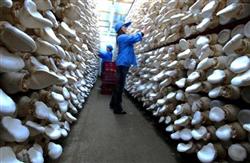
Why should Bailing mushrooms be thinned? An analysis of the reasons
Why should Bailing mushrooms be thinned? How are Bailing mushrooms thinned? We would also like netizens with experience in cultivating Bailing mushrooms to help explain. Thinning Bailing mushrooms is mainly to reduce nutrient consumption and ensure the yield and quality of Bailing mushrooms, so thinning should be carried out during the fruiting stage of Bailing mushrooms. However, many mushroom growers are not very familiar with the operation of thinning Bailing mushrooms...
条件筛选