-
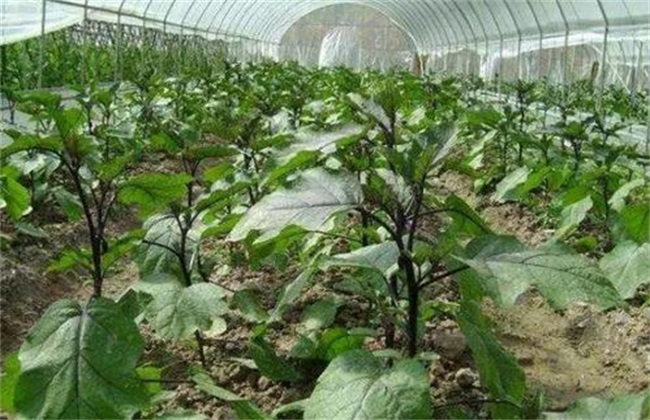
Three things to avoid when planting eggplant, keep these three cautions in mind
Three things to avoid when planting eggplant
-

What are the precautions for thinning and final thinning of corn seedlings?
Precautions for thinning and final thinning of corn seedlings
-
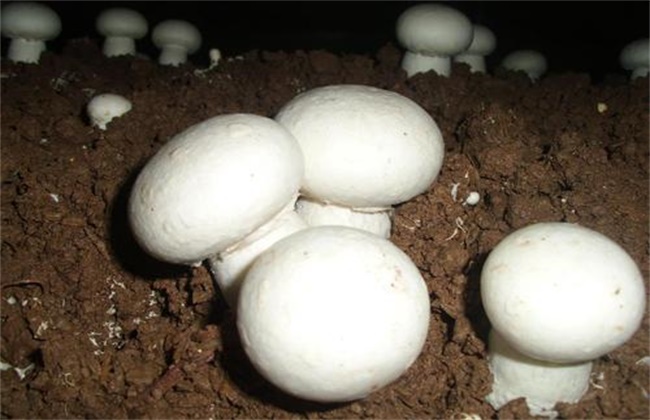
Causes of hollow mushrooms with thin caps in button mushrooms and preventive measures
Causes of hollow mushrooms with thin caps in button mushrooms and preventive measures
-
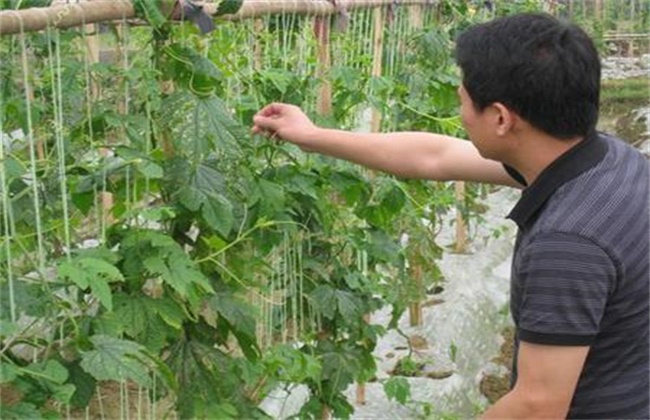
How to prune and thin out bitter melon branches? Correct methods and key technical points
How to prune and thin out bitter melon branches
-
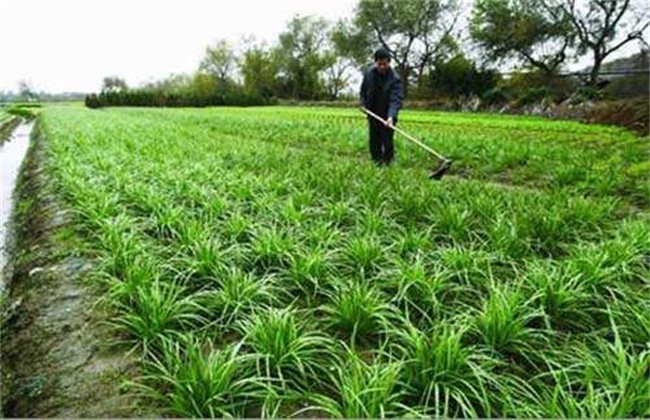
What to Do When Garlic Chives Grow Thinner and Thinner? These Methods Help You Solve It
What to Do When Garlic Chives Grow Thinner and Thinner
-
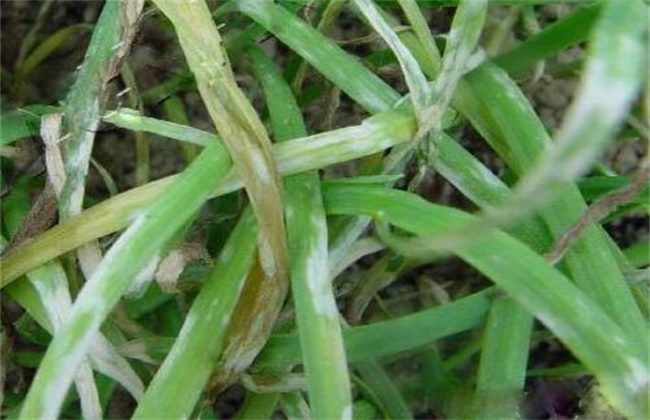
What to do if chive leaves are thin and small? Causes and solutions
Causes of thin and small chive leaves and solutions
-

Detailed Explanation of the Causes of Radish Pithiness and Prevention Methods
Causes of Radish Pithiness and Prevention Methods
-

What to do about leggy balcony vegetables? Just do these three things and that's enough
These days it's not easy to eat vegetables you grow yourself. You finally get the pests under control, and then they go leggy - a pot of seedlings growing taller and thinner than a model. What to do...
-
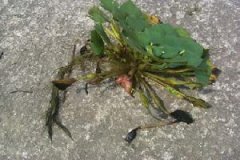
What Is the Water Chestnut? A Detailed Guide to Water Chestnut Cultivation and Deep-Water Planting Methods
Water Chestnut Planting Site Selection The water chestnut, also known as ling, belongs to the genus Trapa in the family Trapaceae and is an annual aquatic crop. The water chestnut is suited to surviving in hot, humid swamp or paddy field environments. So how exactly is it planted? Let's take a look together and try growing it yourself! Water Chestnut Cultivation
-
Five things to note when introducing potatoes
Most seed potatoes are shipped in from other places, which is in fact a form of introduction. When ordering and buying seed potatoes, you need to understand factors such as the latitude, altitude and climatic conditions of the seed potato production area, and correctly choose the production area and variety according to the rules of potato introduction. Pay attention to latitude and altitude. Introduction from high altitude to low altitude and from high latitude to low latitude is likely to succeed. The reason is that during the growing period of potatoes at high altitude and high latitude, the temperature is lower, the seed potato stems are less infected with viruses and degenerate slowly; when introduced to low altitude and low latitude for planting, they generally
条件筛选