-
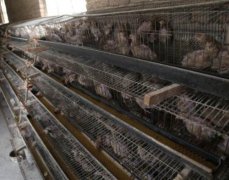
How to Raise Quail Without Them Dying? Breeding Methods and Techniques
How exactly do you raise quail? Do you know? What should you pay attention to when raising quail? Would you like to find out? Then let us take a look together. Raising young quail: Before 40 days of age they are young quail. After the small quail hatches and its down dries, it can be placed in a
-
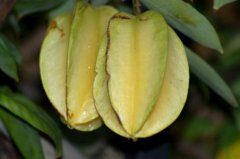
What are the control methods for the flower ladybird leaf roller moth on carambola?
The flower ladybird leaf roller moth belongs to the order Lepidoptera and is a pest that harms carambola. So how do we control the damage caused by the flower ladybird leaf roller moth pest? What are the ecological habits of this member of the order Lepidoptera, and what do the symptoms of damage look like? Ecological habits: The flower ladybird leaf roller moth belongs to the order Lepidoptera, commonly
-
-

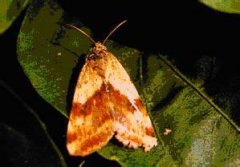
Introduction to the Symptoms and Control Methods of Seedling Blight in Calla Lilies
What do the symptoms of seedling blight in calla lilies look like, what are the transmission routes, and how do we go about controlling this disease? Let's take a look together. Symptoms: It causes rot of the bulb sprouts, browning of seedling leaves, and shriveling and curling. When the sprouts are not damaged, they can still grow normally; if the affected leaves dry up and wrap around the terminal bud, it causes stunting or poor stem emergence. Besides damaging the leaves, this fungus can also harm the base of the stem, causing browning symptoms at the sprouting sites and forming wounds that facilitate further damage by bacterial soft rot.
-
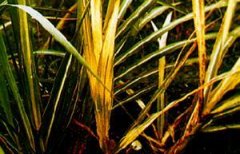
Introduction to the symptoms and control methods of sugarcane white stripe disease
Do you like eating sugarcane? Would you like to learn about the pests and diseases of sugarcane? Below is an introduction to one of the sugarcane diseases, white stripe disease. It mainly covers the symptoms, disease ecology and control methods of white stripe disease. Let's take a look. Symptoms: This disease has chronic and
-
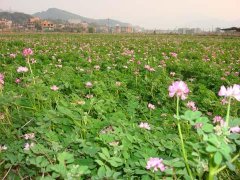
How to plant Chinese milk vetch? A detailed guide to the planting method
How do you plant Chinese milk vetch? Do you know? Would you like to learn what the sowing method of Chinese milk vetch is like? Let's take a look together. Sowing method 1. Sowing rate: when broadcasting, the sowing rate should be slightly higher, about 20-25 kg per hectare. When drilling, only 10-15 kg per hectare is needed.
-
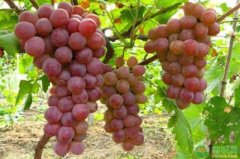
What are the main grape diseases? Cause analysis and pest and disease control methods
What are the ecological causes of the main grape diseases? Each main grape disease occurs in a different period. Besides understanding its occurrence period, one must also grasp the optimal conditions for the onset of each individual disease. For example, grape downy mildew occurs in Taiwan, China from May to November. Continuous rainfall during the plum rain season and typhoon season is most favorable for the onset of downy mildew. Once it occurs, the pathogen multiplies rapidly and in large quantities and spreads quickly with wind and rain, followed by severe outbreaks.
-
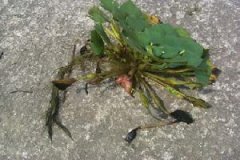
What Is the Water Chestnut? A Detailed Guide to Water Chestnut Cultivation and Deep-Water Planting Methods
Water Chestnut Planting Site Selection The water chestnut, also known as ling, belongs to the genus Trapa in the family Trapaceae and is an annual aquatic crop. The water chestnut is suited to surviving in hot, humid swamp or paddy field environments. So how exactly is it planted? Let's take a look together and try growing it yourself! Water Chestnut Cultivation
-
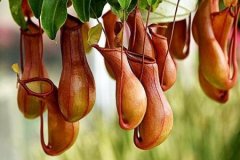
Where Is the Pitcher Plant Native To? Propagation Methods and the Digestion Principle Behind Its Insect-Eating
The main habitat of the pitcher plant is the tropical regions of Asia. Do you know about pitcher plants? Would you like to learn about them? Let's take a look together. How do pitcher plants propagate? Pitcher plants mainly propagate by "cuttings." Taking cuttings of pitcher plants is very easy, and
-
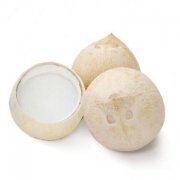
A Detailed Guide to the Growing Conditions and Opening Methods of Thai Fragrant Coconut
Coconut holds an indispensable place in the daily life of Thai people, from the edible coconut water, coconut milk, coconut jelly and coconut oil, to the fiber which can also be used as clothing material or other commonly used materials in daily life. The fragrant coconut, on the other hand, is a variety selected by farmers as suitable for eating, juicy, with a special aroma and relatively soft flesh. Fragrant coconuts can be harvested about 6 to 7 months after pollination.
条件筛选