How to plant Chinese milk vetch? A detailed guide to the planting method
How do you plant Chinese milk vetch? Do you know? Would you like to learn what the sowing method of Chinese milk vetch is like? Let's take a look together.
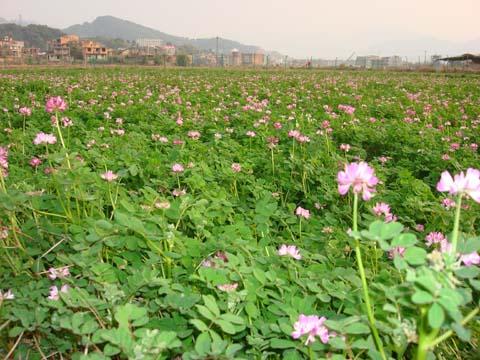
Sowing method
1. Sowing rate: when broadcasting, the sowing rate should be slightly higher, about 20-25 kg per hectare. When drilling, only 10-15 kg per hectare is needed.
2. Sowing method: before sowing Chinese milk vetch, the seeds should first be soaked in water for about 10 hours to promote germination; for paddy fields that have never grown Chinese milk vetch, when cultivating it for the first time, inoculation with nitrogen-fixing rhizobia is needed, and the sowing effect will be better. The inoculation method is to use soil that has previously grown Chinese milk vetch, mix it with the soaked seeds, and sow them together.
Mixing ratio: mix 1 kg of seeds with 15-20 kg of soil; the soil used for inoculation must be dried until it no longer sticks together. For paddy fields that have already grown Chinese milk vetch, inoculation is not needed when cultivating it the second time. There are two sowing methods: broadcasting and drilling. If the crop is intended for seed collection, then drilling is used, that is, it is best to plant one row of Chinese milk vetch every two rows of rice.
The sowing method is divided into two types according to paddy field and dry field:
(1) Broadcasting without tillage in paddy fields: 1-2 days before rice harvest, mix the soaked seeds and the inoculation soil with 1-2 times their amount of plant ash or decomposed compost, mix thoroughly, and evenly broadcast in the rice field. When harvesting the rice the next day, use a rice harvester to chop the rice straw finely and spread it to cover the seeds, so as to keep the field soil moist, which can save tillage costs and increase the seed emergence rate. After the rice harvest, drainage ditches should be dug around the paddy field. For fields with poor drainage, two cross-shaped ditches should be dug from the four corners of the field, or three to four ditches should be dug in the center of the field, to drain the accumulated water in the field.
(2) Tillage cultivation in dry land: after the previous crop is harvested, carry out tillage, thoroughly mix the soaked seeds with the inoculation soil and decomposed compost, evenly broadcast in the field, then use a tiller or tractor to shallow-plow and mix the seeds into the shallow soil layer to facilitate seed germination; during the seedling stage, the soil should be prevented from becoming excessively dry, and the field should be kept moist to facilitate seedling growth. In the early sowing stage, attention should be paid to field drainage to avoid prolonged water accumulation in the field, so as to ensure seed germination and survival.