How to Raise Quail Without Them Dying? Breeding Methods and Techniques
How exactly do you raise quail? Do you know? What should you pay attention to when raising quail? Would you like to find out? Then let us take a look together.
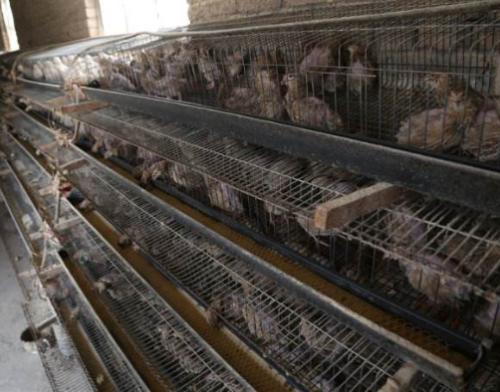
Raising young quail:
Before 40 days of age they are young quail. After the small quail hatches and its down dries, it can be placed in a small wooden brooder box for rearing; a 60 cm × 80 cm wooden box can hold 10-20 small quail. The brooding work should pay attention to keeping warm; the heat source for warmth can be an electric light, kerosene stove, charcoal brazier or honeycomb coal stove, etc. Using an electric light to provide warmth from above the brooder while also using a kerosene stove, charcoal or honeycomb coal to provide warmth below or to the side gives even better results. For large-scale brooding, a brooding umbrella can be used; each umbrella can brood 200-300 quail chicks.
Raising small quail:
Quail will run around 5-6 hours after hatching, so starting them on feed earlier is better than later. For the first feeding, a mixed feed of corn, broken rice, wheat flour, etc. can be used, and it is even better if cooked egg yolk can be mixed in. After two or three days, gradually switch to a complete mixed feed. For young quail, the formula can use 52% corn, 27% soybean cake, 10% fish meal, 5% bran, 5% grass meal, and 1% bone meal; the crude protein content is 24-25%; the calcium-to-phosphorus ratio is 2:1. Quail like to eat it, but the feed is easily contaminated and spoils easily in summer. When feeding dry feed, water must be supplied with a drinker, and water should preferably be available continuously all day. At the beginning, feed all day; after two weeks, feed six times a day; after four weeks, change to four times a day. To raise one small quail, about 0.5 kg of concentrated feed is needed.
Raising female quail:
The percentage formula for a complete mixed feed for female quail: 42 corn, 33 soybean cake, 10 fish meal, 3 bran, 5 grass meal, 6 shell powder, 1 bone meal; crude protein is 27-28%, the calcium-to-phosphorus ratio is 4:1, plus an appropriate amount of vitamins and trace elements. Feed dry feed 3-4 times a day. Each female quail is fed more than 20 grams of coarse feed, and the feed-to-egg ratio is about 1:2. Laying quail also like to eat semi-dry wet paste feed; feeding wet feed gives a higher laying rate than dry feed, but feeding wet feed is labor-intensive and troublesome, and the feed spoils easily in summer, so feeding dry feed with separate drinking water is more convenient.
Strengthening light management can increase the laying rate. Usually, for every 20-25 sq m of area, hang one 60-watt electric light at a height of 2 m, or hang electric lights in each layer of the cage; maintain 16 hours of light per day and night to prevent darkness from disturbing the quail and affecting egg laying. It is best for female quail to lay eggs for one year; if the annual laying rate is about 75%, they can be culled and marketed as meat quail.
Now, you know how quail are raised, right? So do you have any thoughts about raising them yourself? If you want to raise them, you can get started as soon as possible.