Introduction to the symptoms and control methods of sugarcane white stripe disease
Do you like eating sugarcane? Would you like to learn about the pests and diseases of sugarcane? Below is an introduction to one of the sugarcane diseases, white stripe disease. It mainly covers the symptoms, disease ecology and control methods of white stripe disease. Let's take a look.
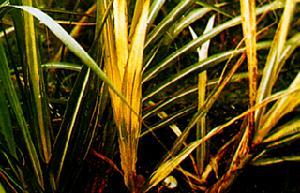
Symptoms: This disease has two types, chronic and acute.
(1) Chronic type: The symptoms vary considerably. The typical symptom is the appearance of white, slender streaks 1 to 2 mm long on the leaves, like pencil lines. Sometimes part of a leaf turns white, becoming entirely white. The discolored tissue occasionally develops necrotic red spots. Diseased plants tend to produce side shoots, and the leaves of the side shoots show the same symptoms.
(2) Acute type: The whole plant or part of its tillers suddenly shows leaf curling, wilting and death, just as if the root system had been cut inadvertently. When these damaged stalks tiller again, they all show the same symptoms as the chronic type.
Disease ecology: In addition to transmission by sugarcane seedlings, the disease can be spread in the field when a cane knife contaminated with the juice of diseased stalks is used to cut stalks. There is also transmission when diseased and healthy plants are adjacent. In the field, the disease begins to occur in large numbers from November to December.
Control methods:
1. Plant resistant varieties such as F160 and ROC12.
2. Farms with severe disease should collect seedlings from disease-free areas and carry out seedling renewal.
3. Ratooning is not advisable in diseased cane fields, and diseased plants should be pulled out and burned.
4. When seedling-collecting knives or the blades of harvesting machines are moved between cane fields with different plot numbers, they should be disinfected with 10% Iodophor.
5. Pay attention to diseased plants during the nursery period. If diseased plants are found, they should be pulled out immediately. If the disease incidence exceeds 5%, seedlings must not be collected.
Now you know how to control sugarcane white stripe disease, mainly by starting from five aspects.