What are the main grape diseases? Cause analysis and pest and disease control methods
What are the ecological causes of the main grape diseases?
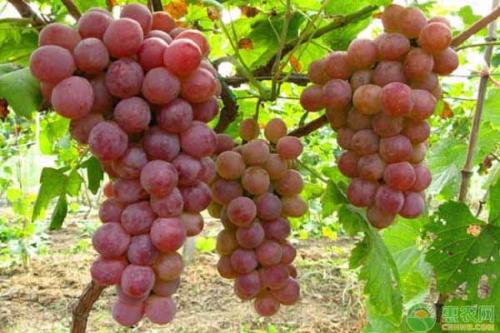
Each main grape disease occurs in a different period. Besides understanding its occurrence period, one must also grasp the optimal conditions for the onset of each individual disease. For example, grape downy mildew occurs in Taiwan, China from May to November. Continuous rainfall during the plum rain season and typhoon season is most favorable for the onset of downy mildew. Once it occurs, the pathogen multiplies rapidly and in large quantities and spreads quickly with wind and rain, followed by severe outbreaks.
Among the main grape diseases, downy mildew, rust and powdery mildew have strong host specificity and will not cross-infect with the same diseases on other crops, whereas the ripe rot pathogen has a broad host range and will cross-infect with the same diseases on other crops. Grapes are perennial deciduous fruit trees. During the leaf-drop period, pathogens are most likely to survive on the crop's branches and trunks, and on fallen branches, leaves and fruit on the ground. These pathogen survival sites are the source of the first infection of the next crop cycle. Therefore, pruned branches, fallen leaves and fallen fruit should be cleared out of the orchard and burned within the shortest possible time. After clearing the orchard, a broad-spectrum pesticide can be used to disinfect the entire orchard to eliminate pathogens lurking on the crop's branches and trunks and in the orchard, reduce the density of the first infection source in the field, and thereby reduce subsequent control costs.
Grape disease control
Grape disease control includes pesticide and non-pesticide control. In terms of pesticide control, one can consult the Plant Protection Manual and the table of safety tolerance standards for pesticide residues announced by the Department of Health (small berry fruits) to learn which pesticides can be used on grapes. When controlling the same disease and multiple pesticides are available for selection, pay attention to the nature of the pesticide (protective or curative), choose pesticides with different mechanisms of action and use them in rotation to avoid the development of resistance, and after use observe the pre-harvest interval; in terms of non-pesticide control, for example, using phosphorous acid to control grape downy mildew. In the first crop cycle of grapes in Taiwan, China, spraying a 500-fold phosphorous acid solution once a week can very effectively prevent the occurrence of grape downy mildew without using any downy mildew pesticide at all, and will not have a negative impact on grape fruit quality; fruit bagging is a commonly used non-pesticide control method for grapes, which can block pests and diseases and prevent the formation of spray stains. After bagging the grapes, the fruit clusters can be isolated from the outside, preventing pests and diseases that harm the fruit from invading and infecting, and when pesticides are sprayed after bagging, no spray stains will remain on the fruit, thus giving greater selectivity in pesticide choice and greatly reducing the occurrence of pesticide residue problems.