-

"Natural beautician" aloe: how to grow it so it grows fast? Detailed guide to cultivation methods and things to note
Everyone knows aloe has many benefits: it is not only ornamental but can also be used for beauty and eaten, and aloe is even a "natural beautician." Growing aloe indoors can absorb harmful gases and purify the indoor air, so how do you grow aloe so it grows well?
-

Phalaenopsis (moth orchid) leaves as thick as if coated in wax? Just do these few small things
Phalaenopsis, the "aristocrat among flowers", is most envied for its glossy, thick leaves that feel like wax to the touch and even reflect light in the sun! But many growers find their Phalaenopsis leaves always thin and limp, as if malnourished. Phalaenopsis originates from tropical rainforests, where it actually grows on trees! This determines
-
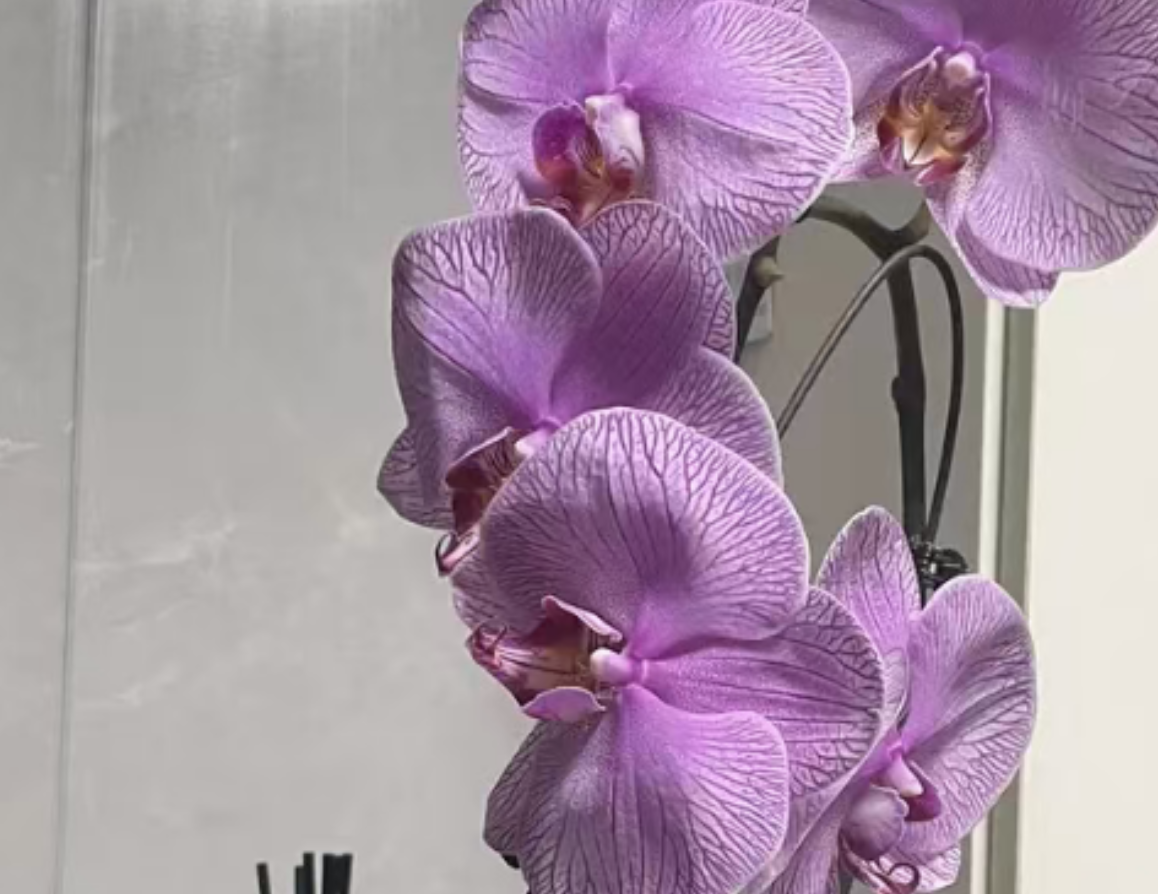
The leaves of Phalaenopsis orchids thick like they've been coated with wax? Just do these few "small things"!
The Phalaenopsis orchid, known as the "noble lady" of flowers, is most admired for its glossy, thick leaves, which feel like they've been waxed and even
-

Is blackening of Phalaenopsis roots stem rot or something else?
The Phalaenopsis you've been growing had roots that were originally white and tender, and suddenly they turned black. At the first sign of this, many people's first reaction is "It's over, stem rot!", and they hurriedly dig out all kinds of medicine and spray it heavily, only to end up making the flower even more wilted. In fact, blackening of Phalaenopsis roots is not necessarily stem rot, so don't jump to conclusions yet; it's more reliable to track down the real
-

How do you grow figs on a balcony so they bear fruit? Just do these few things
A netizen grew a fig on their own balcony, and it actually bore fruit! This thing, it was like magic, instantly lighting up an ordinary life. Nowadays many people like to grow a few flowers and plants on the balcony, adding a bit of life to the home. This netizen was no exception; at first, they just thought of growing a fig on the balcony, just as a way to find a little fun in life. When it was bought, that fig sapling was tiny and frail-looking; who could have imagined it would later cause such a big stir? Previously everyone always thought figs had to be grown in a yard, but unexpectedly a balcony can also produce fruit. Today I have organized this netizen's experience, so flower lovers who want to try it should save it quickly!
-

Tired of root rot when growing flowers? Tuck a few small things into the pot for better airflow and drainage, and the roots will grow stronger
The biggest headache in growing flowers is root rot - you clearly don't water much, yet the plant still droops, and when you take it out of the pot it's all black, mushy rotten roots, heartbreaking and a waste. Actually, the core problem with root rot is just one thing: water accumulates in the pot and can't drain out, so the roots are smothered in wet soil and lack oxygen. Don't just blame yourself for being heavy-handed with the watering can - add some "small things" to the pot,
-

Stephania and Pennywort Are Not the Same Thing: 5 Differences to Tell Them Apart
Some plant lovers always get confused when browsing a flower shop: "This round-leaved plant must be pennywort, right? Why does the shop owner call it Stephania?" Actually, although Stephania and pennywort both have somewhat "round" leaves, they are not the same plant at all. Whether in appearance, growth habit or care needs, the differences are huge! Today I will teach you to tell
-

Pepperwood and Fragrant Pistacia Are Not the Same Thing: 3 Tricks to Tell Them Apart Easily
Recently someone asked: "I bought a fragrant pistacia online, why does it seem more and more off the longer I grow it?" Most likely you got cheated -- nine times out of ten you bought a pepperwood! These two look so much alike, and sellers love to mix them up, especially at the seedling stage; if you don't look carefully, you really can mistake one for the other. Today I'll teach you 3 tricks to tell them apart, so you'll never
-
Don't panic if your Phalaenopsis orchid gets sun-scorched and wilts! This rescue method works better than randomly watering. How do you save a Phalaenopsis orchid that has wilted from sun exposure? First do 2 emergency steps, then do 3 things.
Everyone knows Phalaenopsis orchids like indirect light, but if you accidentally let them get too much sun, the leaves wilt and curl, and the edges even turn scorched black. It really hurts to see! Actually, after sunburn, don't panic. With timely emergency care, they can still be saved. The key is to focus on "shade, rehydration, and controlling the environment." Just like a person with sunburn needs to get out of the sun and apply moisturizer, Phalaenopsis orchids also need to be treated accordingly.
-

Are lots of aerial roots on a Phalaenopsis a good thing, and what to do if there are too many
The Phalaenopsis has a naturally "maverick" character; other flowers hide their roots in the soil, but this one sends many roots straight out into the air, white and tender, looking quite distinctive. So are lots of these aerial roots a good thing or a bad thing? And if too many grow, will it affect flowering? The Phalaenopsis is by nature an epi
条件筛选