-
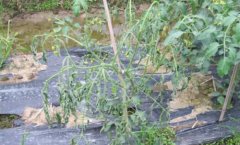
How to prevent and control bacterial wilt in tomatoes? Detailed explanation of the best treatment methods
Tomato bacterial wilt is a very serious disease in tomato cultivation. If it is not managed well, it can easily cause major damage. So how should it be managed? Let's take a look together. Pathogen: This disease is caused by Pseudomonas solanacearum. The bacterium belongs to the non-fluorescent pseudomonad
-
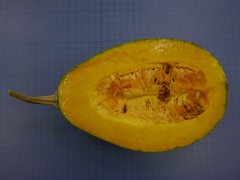
Which pumpkin variety is the best? The new high-yielding Youwang seeds are now on the market
Too vigorous! Hualien District Agricultural Improvement Station's new pumpkin variety Youwang seeds are about to be launched. Would you buy these pumpkin seeds? Let's take a look first. The disease resistance of African disease-resistant wild pumpkin is introduced by traditional backcross breeding into the traditional papaya-type pumpkin, so that the new variety
-
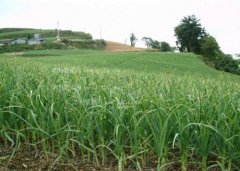
How to grow garlic sprouts? A detailed explanation of the key points of garlic sprout cultivation techniques
Do you like eating garlic sprouts? Most people do not like them, and only a small number of people do, but garlic sprouts are still bought by many people, because this is a side dish that can add flavor, and in many dishes we add garlic sprouts to enhance the taste. This has also led to more and more
-
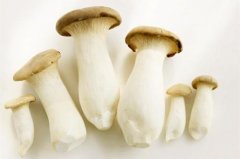
Common Problems and Answers in King Oyster Mushroom Cultivation
The king oyster mushroom (Pleurotus eryngii) is a common edible mushroom, and many problems are often encountered when growing it. Below are answers to a few common questions, and I hope they are helpful to you. 1. How do you deal with the problem of king oyster mushrooms producing many fruiting bodies but having a low marketable rate? If you have not thinned the mushroom buds
-
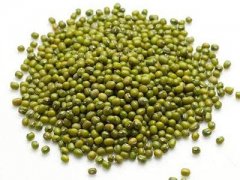
How to Store Mung Beans So They Don't Sprout or Get Bugs
Mung beans and adzuki beans are treasures among grains, so how should these two grains be stored? Mung beans and adzuki beans discolor easily because their seed coats contain a lot of tannins and polyphenol oxidase, which readily oxidize and discolor under the influence of air, light, moisture and temperature. The higher the moisture, the higher the temperature
-
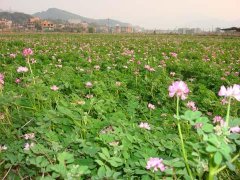
How to plant Chinese milk vetch? A detailed guide to the planting method
How do you plant Chinese milk vetch? Do you know? Would you like to learn what the sowing method of Chinese milk vetch is like? Let's take a look together. Sowing method 1. Sowing rate: when broadcasting, the sowing rate should be slightly higher, about 20-25 kg per hectare. When drilling, only 10-15 kg per hectare is needed.
-
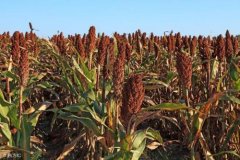
When is sorghum harvested, and what is the current purchase price per jin?
When is sorghum harvested? How is the purchase price? Let's take a look together. Sorghum is ready for harvest 35~40 days after heading, when the stems and leaves turn yellow and the grains are hard and milky white; the heads should be cut and harvested promptly with a sickle. After the sorghum heads are sun-dried, they can be threshed by rolling with a cart wheel
-
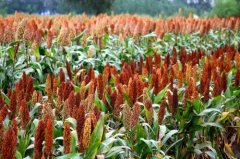
What Is Sweet Sorghum? Differences from Sorghum and a Detailed Guide to Growing Techniques
Do you know sweet sorghum? Why is sweet sorghum called sweet sorghum? Let's take a look at how it differs from sorghum. Sweet sorghum is a variety of grain sorghum and can also produce 5000-6000 kg of grain per hectare, but the seeds are smaller, with a 1000-grain weight
-

What Is the Water Chestnut? A Detailed Guide to Water Chestnut Cultivation and Deep-Water Planting Methods
Water Chestnut Planting Site Selection The water chestnut, also known as ling, belongs to the genus Trapa in the family Trapaceae and is an annual aquatic crop. The water chestnut is suited to surviving in hot, humid swamp or paddy field environments. So how exactly is it planted? Let's take a look together and try growing it yourself! Water Chestnut Cultivation
-
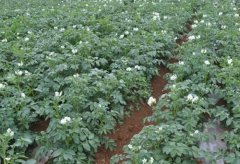
Autumn Potato Planting and Management Techniques and the Best Planting Time
Do you want to plant potatoes in autumn? Then you need to understand the planting techniques and management for autumn potatoes. Want to know how? Let's take a look together. Sowing and transplanting 1. Determining the sowing date: For autumn potatoes, the sowing date should be chosen according to the climate conditions of Pingnan County, and around August is suitable. The suitable temperature is 17-20°C, and it must not exceed 25°C.
条件筛选