What Is Sweet Sorghum? Differences from Sorghum and a Detailed Guide to Growing Techniques
Do you know sweet sorghum? Why is sweet sorghum called sweet sorghum? Let's take a look at how it differs from sorghum.
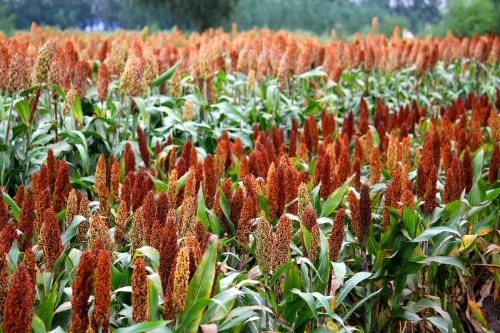
Sweet sorghum is a variety of grain sorghum and can also produce 5000-6000 kg of grain per hectare, but the seeds are smaller, with a 1000-grain weight of about 18-22 g. What makes it different is that its plants are tall, its biological yield is extremely high, and its stalks are rich in sugar. That is why it is called sweet sorghum.
The advantages of sweet sorghum in cultivation are:
1. Easy to cultivate; it can be propagated by seed or grown as a ratoon crop;
2. Suitable for spring cultivation, and ratoon cultivation can be considered after harvest;
3. Low water requirement, about 400 mm or more is enough, and proper irrigation can increase yield;
4. Short growing period; it can be harvested within four months, with high yield per unit time, making it suitable for existing cultivation systems;
5. Suitable for mechanical sowing, management and harvesting;
6. Even if it is broken or knocked over by a typhoon, the plants will gradually right themselves afterward and still have a harvestable yield, giving it greater adaptability than other dryland crops.
The disadvantages are: 1. Weed management is needed in the early stage after sowing; 2. The product is bulky, so storage and processing require a relatively large space.