How to Store Mung Beans So They Don't Sprout or Get Bugs
Mung beans and adzuki beans are treasures among grains, so how should these two grains be stored?
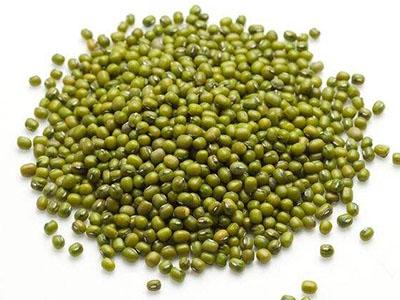
Mung beans and adzuki beans discolor easily because their seed coats contain a lot of tannins and polyphenol oxidase, which readily oxidize and discolor under the influence of air, light, moisture and temperature. The higher the moisture, the higher the temperature, the stronger the light, and the greater the contact surface with air, the more severe the discoloration: dark colors fade, light colors deepen, and the quality is relatively lowered. So they must be stored well, and this is also a problem in itself.
Both mung beans and adzuki beans have a hilum. At one end of the hilum there is a micropyle, and the micropyle is the channel through which outside moisture enters the seed, so they are highly hygroscopic and prone to heating, molding and damage by pests. During storage, the main things to prevent are discoloration, deterioration and insect damage in mung beans and adzuki beans. When mung beans and adzuki beans are piled in bulk, the surface layer is affected by the outside first and discolors first; keeping them below 60 cm from the ground can reduce the above phenomena. If storing in bulk, you can place them below 60 cm from the ground, separate them in the middle, and put other grains on top. It is best to use a sealed method: put the mung beans and adzuki beans in a container, cover them with a layer of dry sandy soil or clean wheat bran, then cover tightly to reduce contact with adverse factors such as air, sunlight and heat, so as to prevent discoloration. During their growing period, mung beans and adzuki beans are susceptible to pests such as the mung bean weevil and the pea weevil, and eggs are easily attached to the hilum; after being stored, adults emerge when conditions are suitable.
Before storage, you can soak the beans in boiling water for 5 minutes, take them out and dry them in the sun before storing; this can kill the eggs, prevent insect damage, and not affect germination. Before storage, you can also wrap a small amount of aluminum phosphide tablets in paper and place them at the bottom of the container, then fill it with mung beans and adzuki beans, cover tightly, and in this way phosphine gas is slowly released, which can effectively suppress pest outbreaks. After harvesting mung beans and adzuki beans, they should be threshed in time, dried under high temperature in the sun (moisture content below 13%), cooled and then stored, and kept sealed and oxygen-deficient at low temperature (below 20°C) to prevent discoloration.
Now you know how to store them, right? I hope your beans can be stored very well and that the above phenomena do not occur.