When is sorghum harvested, and what is the current purchase price per jin?
When is sorghum harvested? How is the purchase price? Let's take a look together.
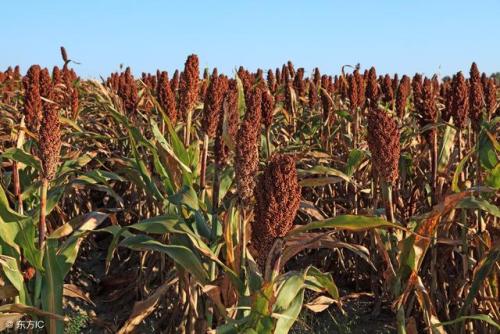
Sorghum is ready for harvest 35~40 days after heading, when the stems and leaves turn yellow and the grains are hard and milky white; the heads should be cut and harvested promptly with a sickle. After the sorghum heads are sun-dried, they can be threshed by rolling with a cart wheel, or threshed with a sorghum thresher.
The harvested sorghum is spread out on the roads so that passing vehicles roll over the sorghum heads and press out the grains. This is a harvest method that farmers in Kinmen have practiced for years, so driving in Kinmen, one may unintentionally join the ranks of sorghum threshing and contribute "a few horsepower" to the countryside.
With the introduction of rural mechanization, equipment such as tillers, harvesters, grain separators and hullers has become very common in the countryside. The scene of "sorghum spread on the road waiting for vehicles to press it" has been increasingly fading. Only farmers with small planting areas, or those whose harvests failed due to irregular wind and rain, still use this method, in order to save costs, but it also forms a special feature of Kinmen's agricultural activities.
In Kinmen, 500 hectares of sorghum are grown each year in the spring crop and 1,800 hectares in the autumn crop, with a total output of 3,900 metric tons. The budget of the "Kinmen County Government" for guaranteed-price purchase of sorghum is about 115 million yuan per year; the guaranteed purchase price is 38 yuan per kilogram. About 4,000 or more farmers benefit from the price guarantee policy, but the number actually participating in planting is about 400 to 500.
Although Kinmen implements guaranteed-price purchase, the situation of abandoned farmland is still serious. In the 70s of the Republic of China era, the area planted with sorghum was more than 6,000 hectares; now only more than 2,300 hectares remain, and only more than 3,000 to 4,000 hectares of arable land remain.