-
Pesticide and Fertilizer Price Increases: What Countermeasures and Ways Out Do Farmers Have?
Recently, farmers who work the land will notice that when they go to buy pesticides and fertilizers, the prices have changed a lot compared with the first half of the year - not lower, but per ton...
-
What should you do if pesticide damage occurs while watermelons are growing? Here are the remedies
In recent years, as the watermelon planting area has grown larger and larger and continuous cropping has become more and more common, pests, diseases and weeds have occurred more and more seriously. In order to increase yield and reduce losses...
-

Prices of basic raw materials rose 30-50%, many agrochemical manufacturers have suspended production, and multiple types of pesticide intermediates are in severe short supply!
Recently, agrochemical products can be said to be rising across the board, soaring all the way, rising so much they have no friends left! Rising so much old friends have fallen out! Rising so much people no longer know how to do business! Rising so much everyone is doubting...
-
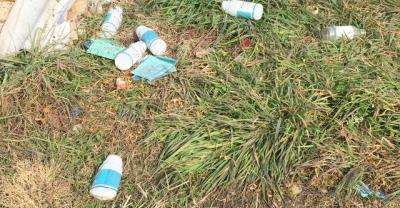
How do you determine which category a hidden pesticide ingredient belongs to?
Generally speaking, "special-effect" pesticide samples all have distinctive characteristics, such as what insect they kill, what disease they prevent, or what weed they control. For samples requiring analysis, the first thing to provide should be...
-
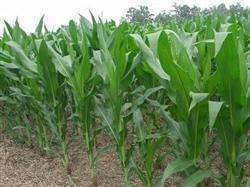
How to Prevent Corn Herbicide Damage to Watermelons
Some readers have asked: some corn field herbicide products are labeled as not to be used on certain corn varieties. Is this because different corn varieties have different sensitivities to these herbicides, and what issues should be noted when using these herbicides in production? Different varieties of corn do indeed differ in their sensitivity to certain herbicides...
-
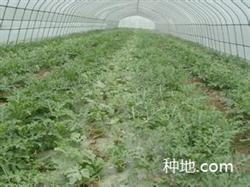
How should herbicides be used in a watermelon field?
How should herbicides be used in a watermelon field? Seeking guidance. Watermelon is one of the important cash crops in our county. To meet the needs of different periods, watermelons are grown in many different ways: direct seeding, transplanting, open-field cultivation, plastic film mulching, single-layer small arch shelters, double-layer small arch shelters, medium tunnels, and large greenhouses. Whether in open fields...
-
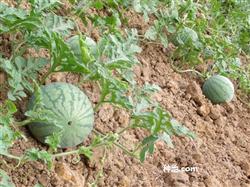
What are the methods for applying herbicides in watermelon fields?
How are herbicides applied to watermelon? What should be noted? To reduce and prevent mistakes in applying chemical herbicides to watermelon, the following issues should be noted in application technique. 1. Correctly select the herbicide. There are many herbicide varieties available for watermelon production, the most commonly used being 48% trifluralin emulsifiable concentrate, 25%...
-
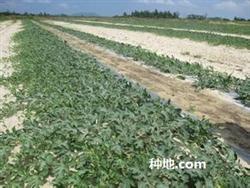
What are the precautions for applying herbicides to watermelon?
What should be noted when applying herbicides to watermelon? In order to reduce and prevent mistakes in applying chemical herbicides to watermelon, the following issues should be noted in application techniques. 1. Correctly select the herbicide. There are many herbicide varieties available for watermelon production, the most commonly used being 48% trifluralin emulsifiable concentrate, 25% nitrofen wettable...
-
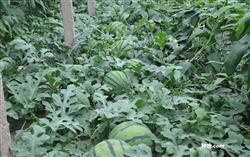
A Detailed Guide to the Correct Use of Herbicides in Watermelon Fields
How should herbicides be used correctly in watermelon fields? Please note the following points when using herbicides in watermelon fields: 1. Choose the right herbicide. There are many herbicide varieties available for watermelon production, and the most commonly used ones include 48% trifluralin emulsifiable concentrate, 25% nitrofen wettable powder, 33% pendimethalin emulsifiable concentrate, 48% butralin emulsifiable concentrate...
-
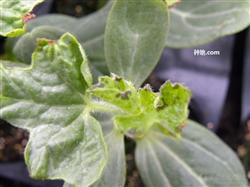
What are the symptoms of herbicide damage in watermelon seedlings?
What does herbicide damage in watermelon seedlings look like? Please explain the symptoms of herbicide damage in watermelon: the seedling leaves turn dull gray, the leaf surface is uneven with bumps and wrinkles and feels stiff, the vines are thin and the leaves become smaller, and plant growth is inhibited. The cause of the damage is that a "broadleaf-killing herbicide" sprayed on neighboring plots spreads through the wind. Even...
条件筛选