-
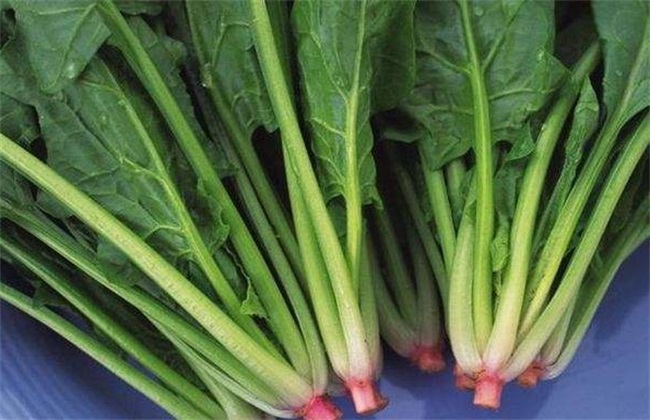
What are the methods for long-term storage of spinach in winter
How to store spinach long-term in winter
-
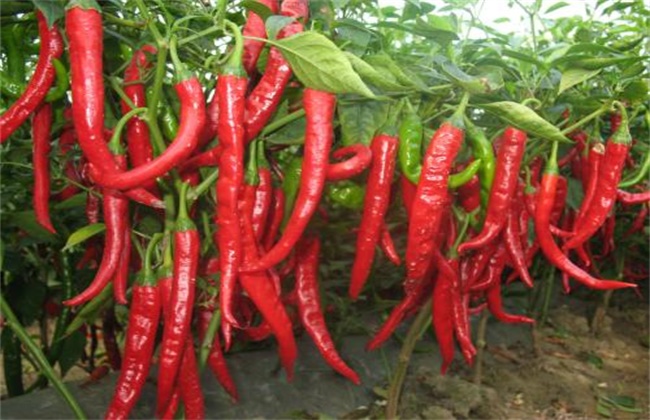
What causes hollow peppers? Learn effective countermeasures
Causes of hollow peppers and countermeasures
-

What to Do If Baby Napa Cabbage Does Not Form a Head? Cause Analysis and Countermeasures
Causes and Countermeasures for Baby Napa Cabbage Not Forming a Head
-

The Harm of Low-Temperature and Low-Light Weather to Greenhouse Vegetables and Countermeasures
In recent years, due to the emergence of haze weather, low-temperature and low-light weather in winter has gradually increased, generally occurring from late November to mid-February of the following year, which is the period of the year with...
-

Can You Really Lose Weight by Eating Only Vegetables? An Analysis of the Long-Term Effects of a Vegetarian Diet for Weight Loss
Whether for health or for looking better, weight loss is always a timeless topic. To get better weight-loss results while also keeping the body from losing...
-

What to do when cotton encounters rain after sowing? Keep these countermeasures in mind
What to do when cotton encounters rain after sowing
-

Common Problems and Countermeasures in Autumn Potato Planting
The autumn potato growing period is very short, management is relatively simple, and the economic benefit is relatively high, making it a crop favored by vegetable growers in many potato-producing areas. However, some problems currently puzzle producers. 1. Low yield Autumn potatoes generally yield about 1000 kg per mu, and high-yielding ones can reach more than 1500 kg. Apart from weather reasons, the low yield is mainly due to viruses carried by the seed. Most autumn potatoes use edible commercial potatoes from spring production fields as seed potatoes, and many seed potatoes have already clearly been infected with
-
High-yield cultivation techniques for plastic-mulched garlic, plastic-mulched watermelon, and cotton
Suwan Town in Chaohu City is a major cotton-growing town. In order to adjust the cropping structure of cotton fields and increase the multiple cropping index and economic returns, after several years of practice, an efficient intercropping and relay cropping model of plastic-mulched garlic, plastic-mulched watermelon, and cotton has been developed. It not only gives good economic returns, but can also build soil fertility and realize the combination of using the land and maintaining the land; at the same time, it can change the ecological environment and reduce the occurrence of pests, diseases, and weeds. 1. Variety selection. For garlic, use the early-maturing variety Ershui Zao; for watermelon, choose early-maturing superior varieties such as Beimi No. 3, Huami No. 8, and Zhengza No. 7; for cotton, choose Guokangmian No. 1 supplied by the Cotton Research Institute of CAAS,
-
Lotus Root Terminal Bud Seedling Raising and Transplanting Cultivation Technique
1. Terminal bud seedling raising: The area ratio of seedbed to transplanting paddy field is 1:10. In early to mid-April, apply 1800 kg of decomposed organic fertilizer per mu to the seedbed, deep plow 25 cm, then level it, and build ridges 30 cm high and 25 cm wide around the perimeter. Select plump, thick, pest-free seed lotus roots with intact terminal buds, cut off the terminal buds and gently press them into the seedbed by hand at a density of 1 plant per 8 sq cm, with the bud tips exposed above the bed surface, then fill with 2-3 cm of water to soak into the bed, then build arched frames 1 m high with bamboo strips, cover with plastic film, and press and seal the edges tightly. After 3 days, inside the seedbed
-
Detailed Explanation of Short-Term Storage and Fresh-Keeping Methods for Ginger
If the ginger is to be processed and used, short-term storage and fresh-keeping are needed. Choose a sheltered spot indoors, first spread a layer of moist sand on the ground, then arrange the stored ginger upright and closely packed on top, covering each layer with 5-6 cm of moist sand; in this way it can be stacked 0.8-1 m high, with the topmost layer covered with 10 cm of moist sand, then cover with plastic film to retain moisture. Note that water must not enter the ground, and the film may be left off for the first half month.
条件筛选