How to Prevent Corn Herbicide Damage to Watermelons
Some readers have asked: some corn field herbicide products are labeled as not to be used on certain corn varieties. Is this because different corn varieties have different sensitivities to these herbicides, and what issues should be noted when using these herbicides in production? Different varieties of corn do indeed differ in their sensitivity to certain herbicides...
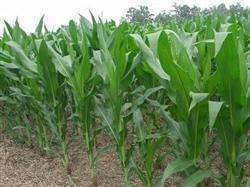 Q: Every year after the wheat harvest, watermelons suffer damage from corn herbicides. Is there a good way to prevent and remedy this? Also, how can watermelon fields avoid continuous cropping diseases?
A: The situation where watermelon stems and leaves suffer phytotoxicity from herbicide droplets drifting with the wind when herbicides are sprayed on nearby corn fields occurs every year. In mild cases, the growing points are damaged and curl; in severe cases, the entire plant dies. Under the current situation of small-scale planting by farmers, it is still very difficult to avoid. Therefore, prevention work must be done first. A few days before the nearby corn field begins spraying herbicides, spray the watermelon field once with "Jiehai Ling", and spray once more after the corn field has been sprayed. If "Jiehai Ling" is not available, you can also spray foliar fertilizers such as brassinolide and Tianfengsu to remedy or reduce herbicide damage. When conditions permit, you can make a paper cap for each melon bud (female flower) and put it on. This can both prevent rain from washing away the pollen after artificial pollination and reduce the damage to the melon bud from herbicide droplets. For plots where watermelons were planted the previous year, you can swap the positions of the melon furrow and the vine-running area the next year. It is best to use grafting to prevent soil-borne diseases such as fusarium wilt. Before transplanting the melon seedlings, spray the melon bed once with fungicides such as carbendazim to disinfect the soil. When the watermelons begin to set fruit or when fusarium wilt occurs, use fungicides such as carbendazim to drench the roots to prevent soil-borne diseases such as fusarium wilt.