-
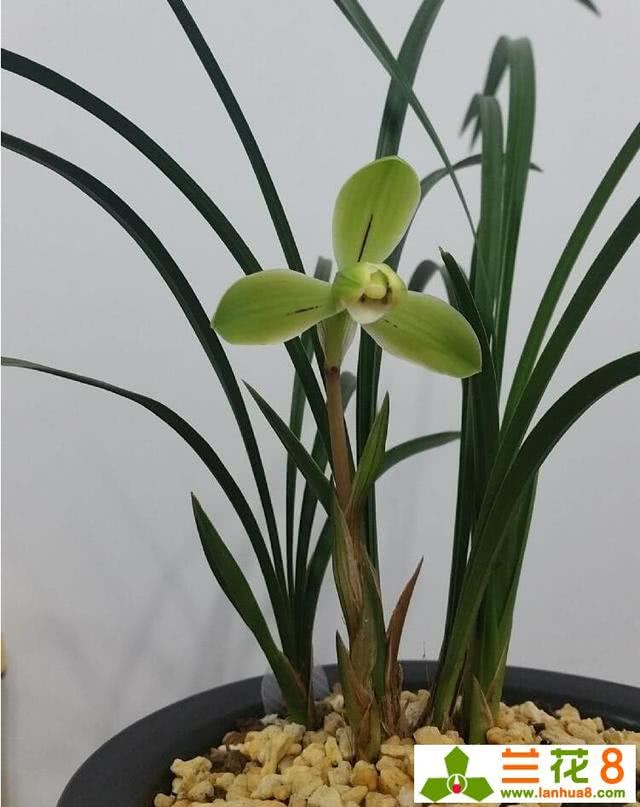
A Detailed Explanation of the Characteristics and Cultivation Techniques of Buy-back Orchids
What are buy-back orchids? According to page 372 of the "Dictionary of Ancient and Modern Chinese," "buy-back" means "selling products back to their place of origin." Therefore, the generally accepted concept is that Japan, South Korea and Taiwan, China introduce famous orchids from mainland China that have been rapidly propagated through high-tech means...
-

Want to grow vegetables with soilless culture? You need to master these three techniques
Soilless culture replaces the soil environment with an artificially created crop root environment, which can effectively solve the contradictions in the supply of water, air and nutrients that are difficult to resolve in traditional soil cultivation, keeping crop roots in the most suitable environmental conditions, thereby...
-
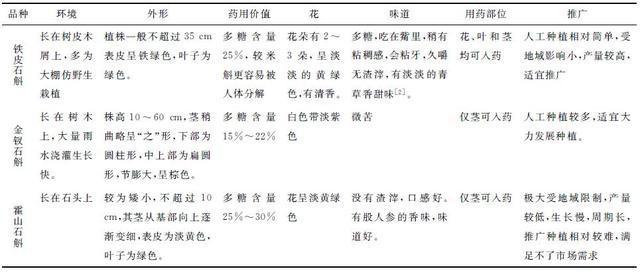
Detailed Explanation of Dendrobium officinale Seedling Breeding Methods and Cultivation Techniques
Seedling Breeding and Cultivation Techniques of Dendrobium officinale. Dendrobium officinale is the finest among Dendrobium species, praised by physicians and medical classics through the ages, commonly known among the people as the "life-saving immortal herb," a national second-class protected plant, and one of China's important forest medicinal resources...
-
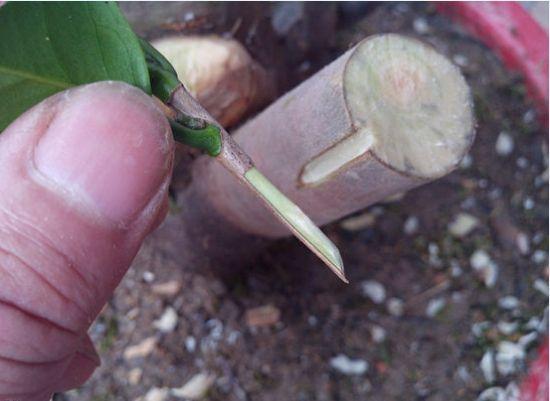
Detailed Explanation of Container Seedling Cultivation Techniques for Grafted Camellia
Funded project: Central Financial Forestry Science and Technology Promotion Subsidy Fund Project "Application Demonstration of Fine Camellia Varieties in Hubei Province"; Hubei Ecology Vocational College 2017 university-level research project...
-
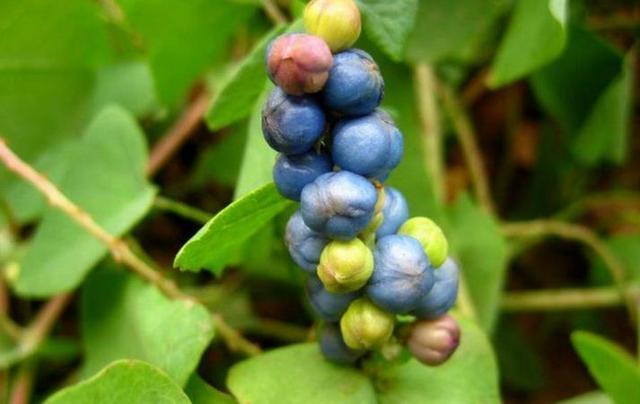
Introduction, Cultivation and Cutting Propagation Techniques of Silvervine Fleeceflower
Introduction, Cultivation and Cutting Propagation of Silvervine Fleeceflower. Silvervine fleeceflower (Polygonum aubertii) is a perennial deciduous semi-shrubby vine of the genus Polygonum in the family Polygonaceae. It is light-loving yet shade-tolerant, drought-tolerant and barren-tolerant, and highly cold-hardy, able to overwinter safely in the open at a low temperature of -30°C, with its above-ground parts...
-
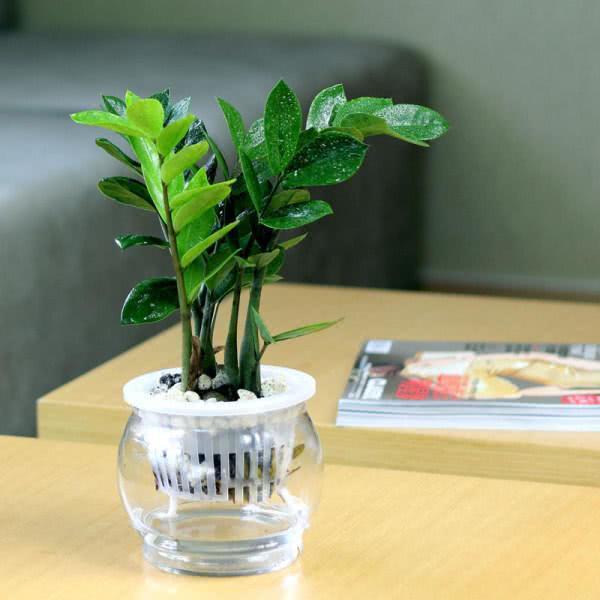
What good meanings does the money tree have? Summer cutting techniques teach you how to grow it well
Now, with the development of material living conditions, many families are beginning to focus on improving their quality of life, and more and more people are starting to grow potted plants at home. Growing flowers and potted plants, first of all, can serve as...
-
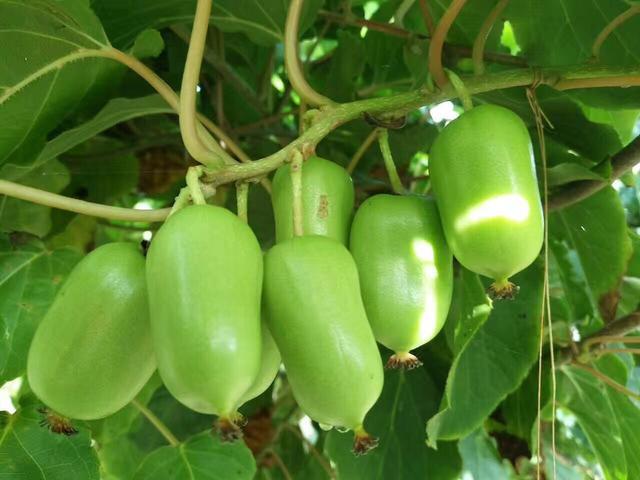
How to propagate kiwi berry (Actinidia arguta) seedlings? A detailed guide to nursery techniques
Propagation techniques for kiwi berry seedlings 1 Seed sowing and seedling raising: Collect the fruit of wild kiwi berry, wait until it softens, then extract the seeds by rubbing and washing, and dry them in a shaded, ventilated place for later use. Before sowing, soak the seeds in clean water for 1-2 d, mix in fine river sand,...
-
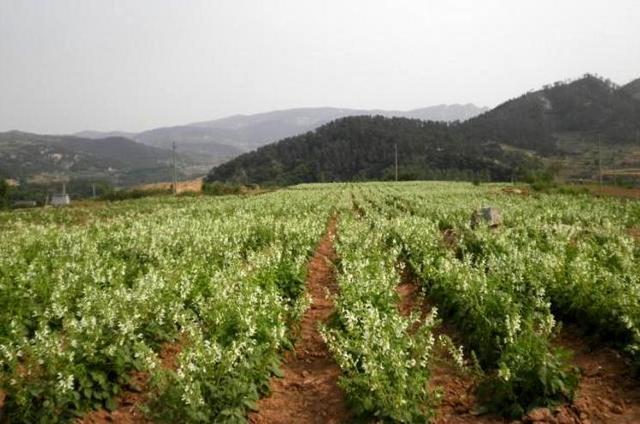
Standardized Cultivation Techniques for Shandong White-Flower Salvia miltiorrhiza
Shandong White-Flower Salvia miltiorrhiza and Its Standardized Cultivation 1. Site Selection and Land Preparation White-flower Salvia miltiorrhiza prefers a warm and humid environment and has strong adaptability and cold resistance. To promote root growth and development, select deep, fertile, loose, humus-rich, well-drained...
-
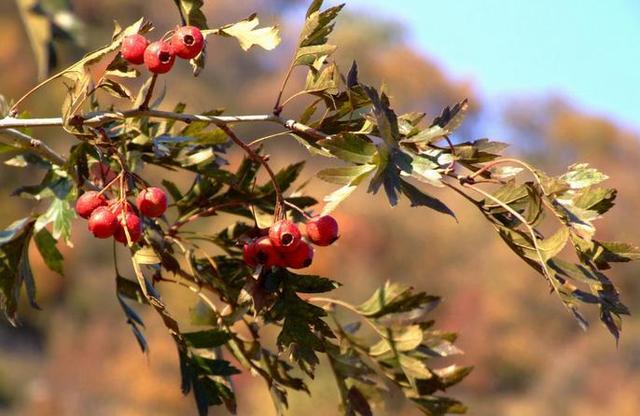
Cultivation Techniques and Pest and Disease Control Methods for Hawthorn
Cultivation and Pest and Disease Control Techniques for Hawthorn. Hawthorn (Crataegus pinnatifida) belongs to the Rosaceae family and is a deciduous small tree. The fruit is sweet and sour, pleasant to eat, and can promote salivation and quench thirst, making it a high-quality fruit tree species. The fruit can also be used medicinally; its nature and flavor are sweet and sour, slightly warm, and it has the effects of stimulating appetite and aiding digestion,...
-
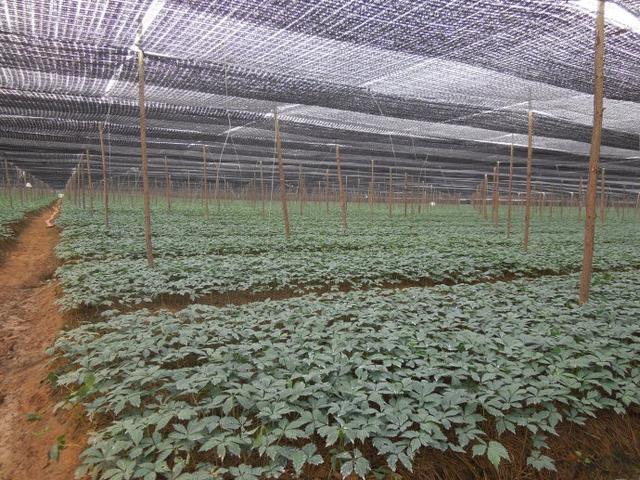
What are the key techniques for rain-shelter cultivation of Panax notoginseng?
Key techniques for rain-shelter cultivation of Panax notoginseng 1 Morphological characteristics Panax notoginseng is a perennial herb. The leaflets are oblong to obovate-oblong, with fine hairs on the veins on both sides; the stipules are ovate or lanceolate. The umbel bears many flowers; the pedicels are pubescent; the flowers are small, ...
条件筛选