-
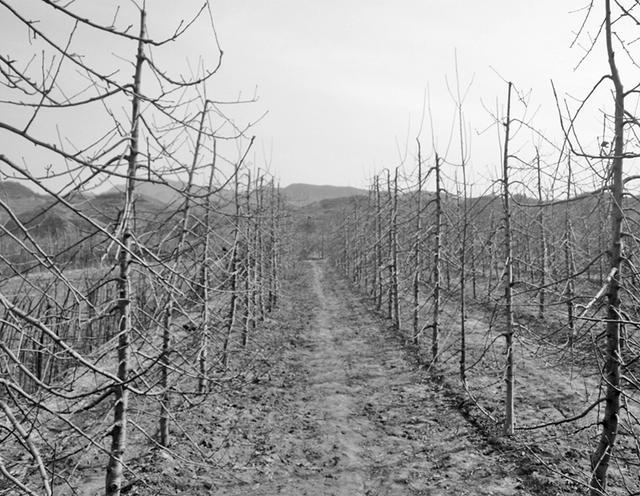
Pruning and Training Techniques for Young Apple Trees in the Slender Spindle Form
Pruning and Training Techniques for Young Apple Trees in the Slender Spindle Form At present, the slender spindle tree form has become mainstream in newly planted apple growing areas. In developing the slender spindle form for apple trees, pruning and training during the young tree stage is a crucial part. Based on recent...
-
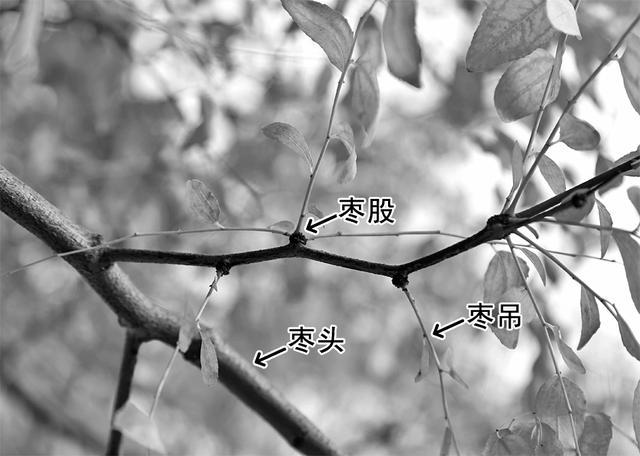
Detailed Explanation of Jujube Tree Training and Pruning Techniques and Tree Structure
Jujube Tree Structure and Training and Pruning Techniques 1. Summary of branch and bud characteristics related to training and pruning. Generally speaking, the jujube tree has 3 types of branches and 2 types of buds. The branches are the jujube head (vegetative shoot), jujube stock (bearing mother branch), and jujube hanging (bearing branch) (Figure 1). Buds are divided into main buds...
-
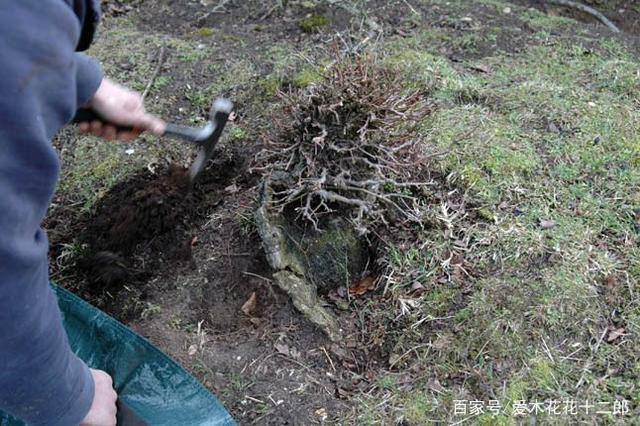
Bonsai collecting techniques: collecting is really physical work
It seems that in our great Celestial Empire, the fine tradition of bringing a camera to work is not yet very popular. Friends who collect trees generally do not photograph the process as a memento, so we city farmers who have long lived in cages never get a chance to observe a return to nature....
-
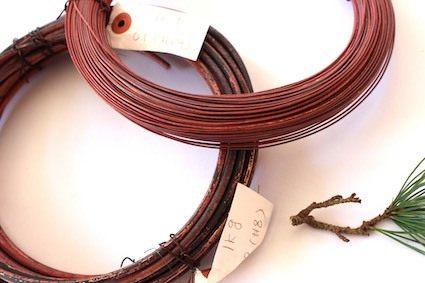
A detailed explanation of bonsai wiring techniques, understand the relevant knowledge in one article
In bonsai, if you want a good shape, wiring is indispensable. Wiring is the most basic and also the most important part of making bonsai. Without wiring, no large-tree bonsai can take shape. Of course, if you say you just don't wire, and can create it with nothing but a pair of scissors, I believe you too. But combining pruning and wiring has always been the only reliable approach in the bonsai-making process. Today let's go over some things related to wiring.
-
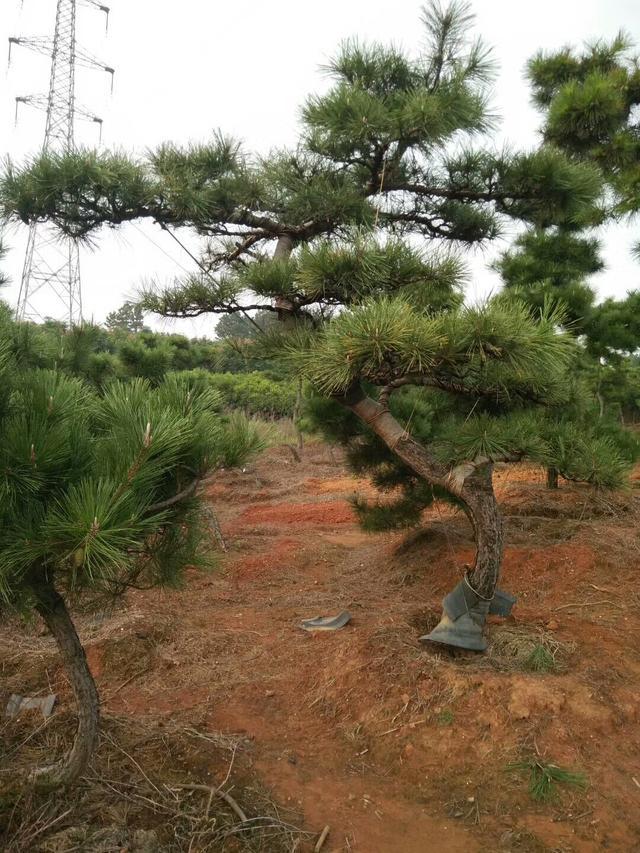
Cultivation Methods and Planting Techniques for Black Pine Landscaping
How are black pines cultivated for landscaping? Planting techniques for black pine landscaping. Black pines have vigorous vitality and stay green year-round. With greening developing rapidly today, black pine is the preferred tree species for roadside street greening, and black pines grow especially slowly, so they do not...
-
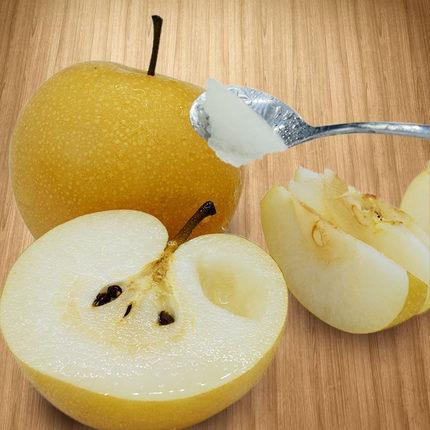
Detailed Explanation of Key Points for High-Yield Cultivation Techniques of Golden Pear
High-Yield Cultivation Techniques for Golden Pear 1. Orchard Establishment The experimental orchard has sandy loam soil, flat terrain, irrigation conditions, and good drainage. Before establishing the orchard, the entire site was deep-ploughed to 60cm and raked level. Planned close planting was carried out, initially at high-density spacings of 1m x 3m or 1.5m...
-
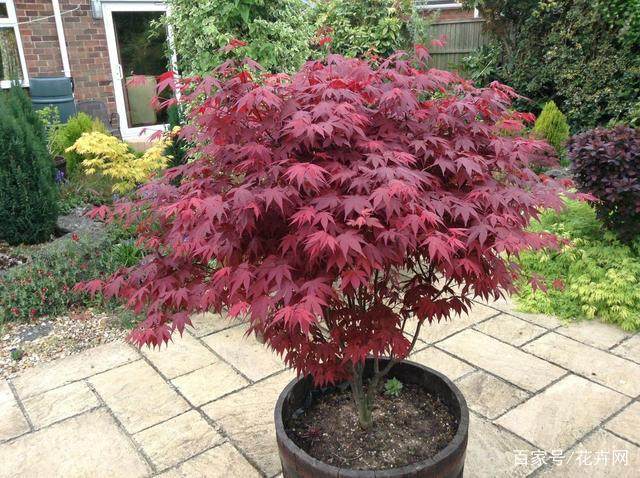
A Complete Guide to Summer Leaf-Plucking Techniques for Japanese Maple Bonsai to Help It Safely Through the Hot Summer
As a precious and highly ornamental bonsai, the Japanese maple bonsai demands a great deal of time and effort in its care. Especially as a bonsai, one very important aspect is its pruning. So when it comes to the Japanese maple bonsai, because it...
-

Detailed Cultivation Techniques for Propagation, Pest and Disease Control of Camellia chekiangoleosa
Fund project: 2015 Central Financial Forestry Science and Technology Promotion Demonstration Fund Project "Improved Variety Breeding and Cultivation Technology Promotion of Camellia chekiangoleosa" (2015-HBTG05...)
-
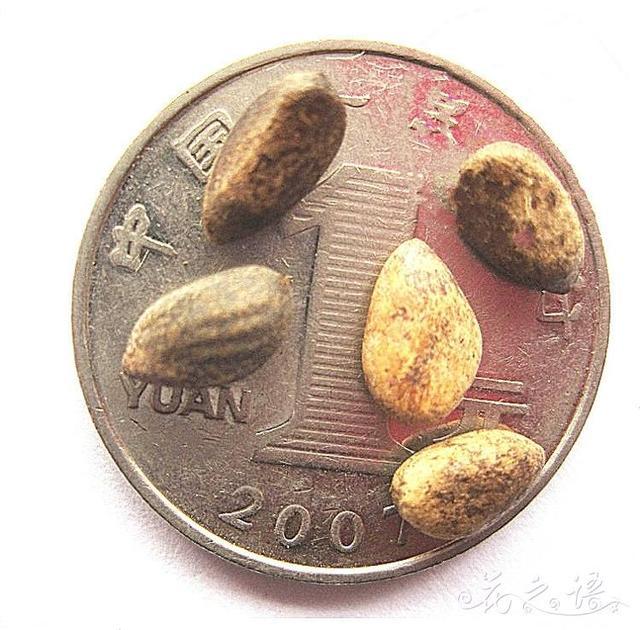
Detailed Explanation of Propagation and Pest and Disease Control Cultivation Techniques for Northeastern Black Pine
Propagation and Pest and Disease Control Cultivation Techniques for Northeastern Black Pine 1 Morphological Characteristics Northeastern black pine is a needle-leaved evergreen tree, reaching a maximum height of 35 m and a diameter at breast height of up to 1.2 m. The lower bark is grayish-brown, split into irregular scaly blocks, with cracks and upper bark...
-
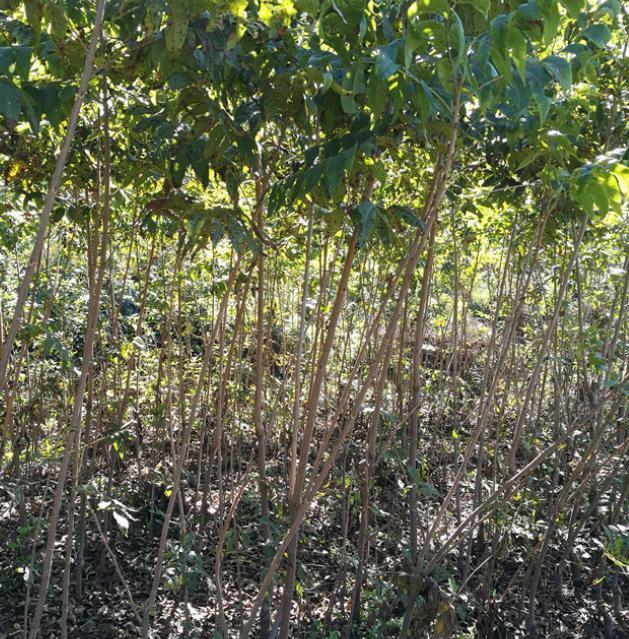
Detailed Explanation of Pecan Breeding and Pollinator Cultivar Configuration Techniques
Pecan Breeding and Pollinator Cultivar Configuration Techniques 1 Seed Warming and Germination Promotion Techniques After pecan fruits mature, the husk splits open on its own and the seeds fall out naturally. When the outer husk turns from green to yellow-brown and begins to split slightly, harvest should be done promptly, generally from mid-October to early November. After collection, the fruits should be piled indoors promptly; once most fruits have split open, remove the seeds, spread them out to air-dry for 3-5 d, then store them indoors in damp sand or place them in cold storage. Before spring sowing, carry out germination promotion treatment on the seeds.
条件筛选