-
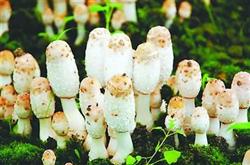
Harvesting Methods and Dried Product Processing Techniques for the Shaggy Mane Mushroom
The shaggy mane mushroom, also known as the shaggy ink cap, is a typical mesophilic variety. When the soil temperature is below 8°C, it cannot fruit normally; when the soil temperature is above 30°C, the mycelial vigor declines, the parasitic fungus Coprinus comatus pest mushroom appears in large numbers, and the shaggy mane crop is nearly lost entirely. By adopting measures to cool down in summer and warm up in winter, shaggy mane mushrooms can be produced year-round, but in summer...
-
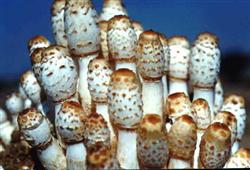
Detailed Explanation of the Key Points of Wild-Simulated Cultivation Techniques for the Shaggy Mane Mushroom
The growing temperature for wild-simulated shaggy mane mushrooms is between 10°C and 24°C, with fruiting in spring from March to June and in autumn from September to November. If wild-simulated cultivation is carried out in plastic greenhouses, sowing can be done from October of the current year to March of the following year, and fruiting can occur from November of the current year to June of the following year, allowing 2 production cycles per year. Each cultivation cycle can produce 5 to 6 flushes of mushrooms, ...
-
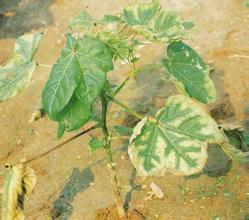
A Complete Analysis of Key Cotton Field Management Techniques
Water and fertilizer are the two most active factors in cotton production measures, and the regulation and control of water and fertilizer play a very important role in determining cotton yield. However, some cotton farmers are unrealistic and, in pursuit of higher cotton yields per unit area and higher cotton-growing profits, blindly irrigate and fertilize, causing cotton yields to decline, and in some cotton fields water...
-
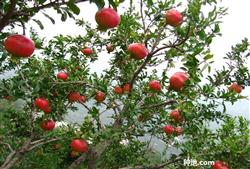
How to grow pomegranate trees for high yields? These cultivation techniques are essential
How can pomegranate trees be grown for high yields? Let me explain. Pomegranate flowers are beautiful and the fruit is colorful, juicy and delicious, with rich nutritional and medicinal value. Besides being eaten fresh, it can also be processed into juice, fruit wine and more. The high-yield cultivation techniques for short, densely planted, early-bearing pomegranates are described below: I. Orchard establishment 1. Deep plowing and land preparation. October 30...
-
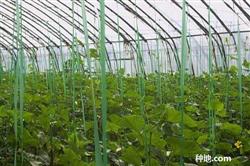
How to Grow Cucumbers with Soilless Culture? A Detailed Guide to the Cultivation Techniques
How are cucumbers grown with soilless culture? This article explains that soilless culture can avoid soil-borne diseases, pests and continuous cropping obstacles, and compared with soil cultivation, it also has the characteristics of reducing pesticide use, improving crop yield and quality, saving fertilizer, labor and water, and not being limited by soil fertility conditions. This article intends to take the Zimao Changqing Experimental...
-
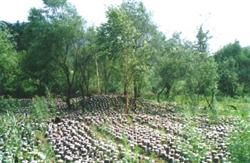
Key Techniques for Field-Style Bag-Cultivation of Wood Ear Mushroom
The log cultivation of wood ear mushroom consumes too many resources, is unfavorable for long-term development, and has low per-unit yield and unstable returns. The Hebei Lincheng Edible Fungus Farm explored field-style bag cultivation, and after 3 years finally mastered its key cultivation techniques. The inoculation success rate, fruiting yield and quality all made great breakthroughs compared with before, and it guided a group of wood ear...
-
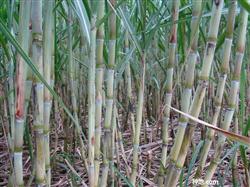
How to Fertilize Sugarcane for Good Results? Methods and Techniques Explained
How should sugarcane be fertilized? Please advise. Sugarcane is an important raw material for sugar production; in China, cane sugar accounts for 80% of total sugar consumption. When growing sugarcane, the light energy utilization rate and land productivity per unit area are relatively high. Compared with growing grain crops, sugarcane is a crop with relatively large economic returns. Especially the fruit cane eaten as a fruit...
-
What are some good methods for controlling sugarcane pests? Introduction to practical control techniques
What are some good methods for controlling sugarcane pests? Please note that starting this year, China has completely banned the sale and use of five highly toxic pesticides: methamidophos, methyl parathion, parathion, monocrotophos and phosphamidon. Some formulations are introduced here that can effectively replace monocrotophos pesticide, for everyone's reference. 1. Using high-efficiency, low-toxicity, low-residue and...
-
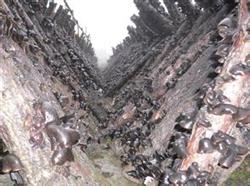
New Techniques for Field Cultivation of Wood Ear Mushroom
I. Cultivation Season and Material Preparation 1. Cultivation Time: The choice of cultivation time is the key to the success or failure of wood ear mushroom cultivation, and is closely related to yield and quality. Bag making should be chosen from early October to November, and can be appropriately advanced in high mountain areas. This period is relatively ideal, when room temperature is 28-15°C, and air relative humidity...
-
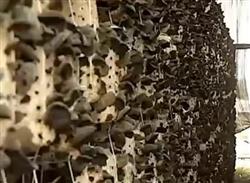
New Techniques for Cultivating Wood Ear Mushrooms
(1) Tree selection: There are many tree species suitable for the growth and development of wood ear mushrooms. However, it is necessary to adapt to local conditions and select tree species that are abundant in local resources and easy for wood ear mushrooms to grow on. Except for tree species containing pine resin, essential oils, alcohols, ethers, and economic tree species, all other tree species can be used to cultivate wood ear mushrooms. Currently, commonly used tree species include cork oak (Quercus variabilis), sawtooth oak (Quercus acutissima), Mongolian oak (Quercus dentata), and spiny oak...
条件筛选