A Complete Analysis of Key Cotton Field Management Techniques
Water and fertilizer are the two most active factors in cotton production measures, and the regulation and control of water and fertilizer play a very important role in determining cotton yield. However, some cotton farmers are unrealistic and, in pursuit of higher cotton yields per unit area and higher cotton-growing profits, blindly irrigate and fertilize, causing cotton yields to decline, and in some cotton fields water...
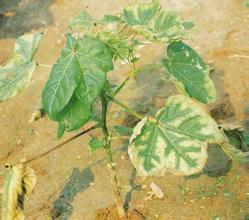 At present, most cotton has entered the flowering stage or the flowering and boll stage. This period is one of the most important periods in cotton production, the most vigorous growth period in the entire life of cotton, and also the most fragile period, most vulnerable to damage by pests such as cotton bollworm and infection by various pathogens, causing flower and boll shedding. During this period, cotton growth is greatly affected by environmental climate and is relatively sensitive to water and fertilizer requirements. It is the period with the greatest demand for fertilizer and water, so production practices should pay special attention to this period.
Problems most likely to occur during the flowering and boll stage:
① Due to poor field ventilation and light penetration after row closure, photosynthesis is affected and thus reduced, and at the same time, root oxygen is insufficient, affecting root growth and development;
② Pests such as cotton bollworm and red spider mite cause serious damage. Because during this period the cotton boll shell is soft and the young bolls are tender and juicy, they are susceptible to pest damage;
③ Disease is likely to occur, causing bud and boll shedding. If there is too much rain, boll setting is unfavorable, and diseases are likely to occur, causing rotten bolls and black bolls; if the weather is dry, fertilization is affected, and a large number of bolls are likely to shed;
④ Sensitive to fertilizer and water; excessive fertilizer and water can easily cause excessive vegetative growth; insufficient fertilizer and water can easily cause large-scale bud and boll shedding, premature senescence, and affect cotton yield and quality.
Key points of field management:
① Drought resistance and drainage, improve the drainage system, and avoid drought or flooding affecting cotton growth;
② Reasonable fertilization, meet water and fertilizer needs, make plants grow robustly and prevent excessive vegetative growth;
③ Prevent and control pests and diseases, focusing on preventing and controlling pests such as cotton bollworm and red spider mite, as well as diseases caused by various pathogens and physiological diseases, and avoid large-scale bud and boll shedding caused by pests and diseases;
④ Topping and pruning, avoid nutrient waste, moderately control row closure, and enhance field ventilation and aeration;
⑤ Spray foliar fertilizer, such as cotton special-effect spray, which can improve photosynthetic capacity, enhance root vitality, increase the speed of squaring, flowering, and boll setting, shorten the squaring stage and boll stage, reduce bud and boll shedding, achieve more squares and boll retention, prevent premature senescence and late maturity, and improve cotton yield and quality.