-
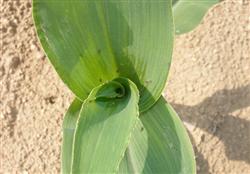
Key Technical Points for Transplanting Spring Corn with Plastic Film Mulch Cultivation
Q: The spring corn already has more than ten leaves, and now the field has a very high population of small brown planthoppers. Can I spray chlorpyrifos or fipronil to control them? A: The main damage small brown planthoppers cause to corn is spreading the viral disease maize rough dwarf. According to relevant data, the susceptible leaf-age period for corn runs from emergence to the 6-leaf stage (9 visible leaves),...
-
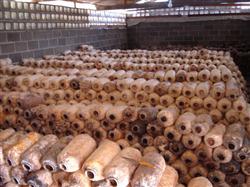
Detailed Explanation of the Technical Operating Procedures for King Oyster Mushroom Cultivation
The king oyster mushroom (Pleurotus eryngii) is a large fleshy agaric that grows in subtropical regions. Its mushroom flesh is thick, and its stipe tissue is fine, firm, snowy white and thick, with an excellent taste. It is a type of edible mushroom that sells well in domestic and international markets. Its cultivation techniques are briefly introduced as follows: 1. Culture material formulas 1. Cottonseed hulls 80%, bran 18%, gypsum 2%, an appropriate amount of lime; ...
-
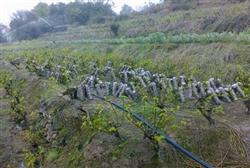
Key Technical Points for Interplanting Black Wood Ear Mushrooms in Orchards
Interplanting black wood ear mushrooms in trenches between orchard rows yields fairly considerable returns. The main cultivation methods are as follows: 1. Stock culture substrate formula: sawdust 78%, rice bran (or wheat bran) 5%, corncob 15%, gypsum powder 1%, sucrose 1%. Weigh each ingredient according to the above proportions. First dissolve the sucrose in water, then stir the sawdust, rice bran and gypsum powder...
-
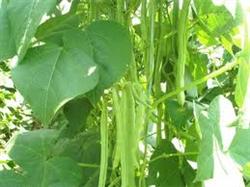
Key Technical Points for High-Efficiency Cultivation of Cucumber Intercropped with Kidney Beans
At present, greenhouse-cultivated kidney beans are in the vine-extending and flowering stage. How can we ensure a bumper harvest? Here we suggest vegetable growers grasp the following key measures for management. 1. Topping at the right time. The cultivation environment for greenhouse kidney beans differs from that for open-field kidney beans. Due to the higher temperature inside the greenhouse, growth is faster...
-

How to intercrop and relay-crop kidney beans in cotton fields? Detailed technical key points
1. Choose good varieties. Varieties should be selected that have wide adaptability, strong stress resistance, a high pod-setting rate, and high yield. 2. Sow at the right time. During cultivation, the appropriate sowing time should be grasped, and seeds that are plump and glossy should be selected for sowing, so that plant growth and development are under good environmental conditions, reducing flower and pod drop and improving...
-
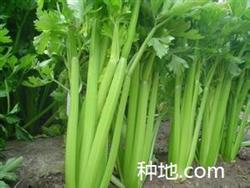
How to save celery seeds? Key technical points explained in detail
How do you save celery seeds? What should you pay attention to? Celery is a cold-hardy vegetable; before flower bud differentiation it needs low temperatures below 10°C, and vernalization is completed in about 10-15 days. However, it must grow to a certain size, about 3-4 leaves, before it can perceive low temperatures, and the longer seedlings are exposed to low temperatures, the higher the bolting rate. ...
-
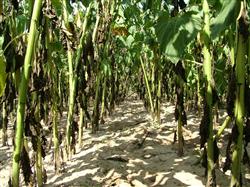
Detailed Explanation of Key Technical Points for Scientific Fertilization of Sunflowers
Based on the symptoms, it may be stem rot, a form of sclerotinia disease, which can be controlled with thiophanate-methyl. Or use thiophanate-methyl combined with carbendazim, procymidone, and dimethachlon for control.
-
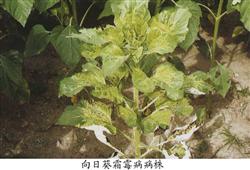
Cultivation Methods and Key Technical Points for Sunflowers
(1) Establish disease-free seed production fields. Strictly prohibit introducing seeds from diseased areas, and do everything possible to protect disease-free areas. (2) Implement a 3-5 year crop rotation with gramineous crops. (3) Select disease-resistant varieties such as Liaokui No. 2, Fenkuiza No. 2, Kang 3A x Hui 6, CM592, etc. (4) For suspected downy mildew, test the sunflower's inner pericarp and...
-
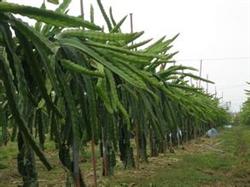
How to Fertilize Dragon Fruit? Correct Methods and Key Technical Points
Soil fertilization is the main method of orchard fertilization, and its methods include the following: (1) Ring fertilization, also called circular fertilization. It involves digging a ring-shaped trench slightly away from the outer edge of the tree canopy and applying fertilizer there. This method has the advantages of being simple to carry out and economical in fertilizer use. However, digging the trench easily cuts horizontal roots, and the fertilization area is relatively small, so it is generally mostly used for fertilizing young trees....
-
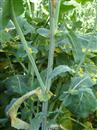
Control Methods and Key Technical Points for Sclerotinia Rot of Rapeseed
Sclerotinia rot of rapeseed, also called stem rot, is a fungal disease. It has a long period of harm, occurring from emergence to maturity, and is most prevalent after flowering. 1. After infection at the seedling stage, reddish-brown spots appear on the stem base and leaf stalks, then expand and turn white, with white cottony mycelium on the rotting tissue, and finally...
条件筛选