-
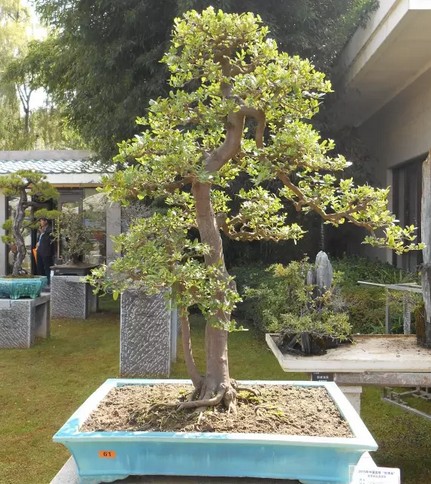
Detailed Explanation of the Key Technical Points for Formal Upright Bonsai Styling
The styling characteristic of the formal upright style is a trunk that is upright or basically upright, belonging to the tall and vigorous tree type, and is also the basic tree form of arbor species. (1) Selecting the planting material. An excellent planting material should have the following characteristics: (1) A perfect root spread. (2) A rugged, upright trunk base. (3) A trunk of moderate thickness, becoming progressively thinner toward the top.
-
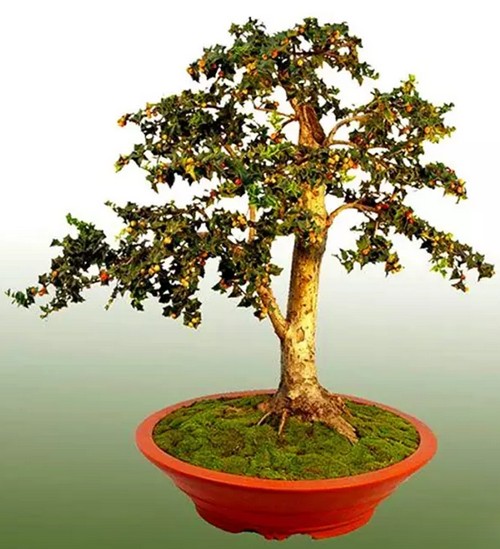
How to cultivate Chinese holly bonsai? Detailed practical technical points
Chinese holly, also known as tiger thorn, cat thorn, bird's perch, and so on, is a relatively common landscape tree species, often used in garden design and urban greening. However, because Chinese holly has relatively high ornamental value, many people now also use it for bonsai artistic shaping and pot cultivation
-
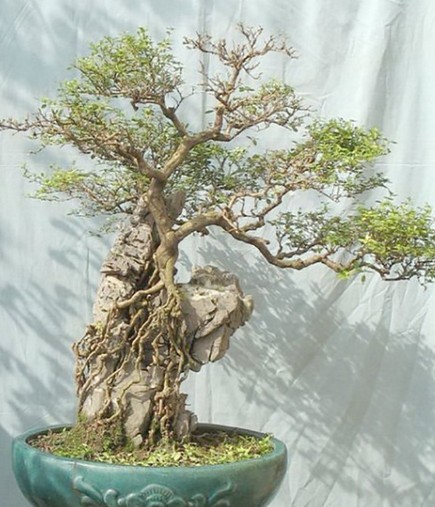
Detailed Explanation of Seedling Cultivation Methods and Technical Key Points for Serissa Bonsai
Serissa bonsai can be propagated by cuttings or division. Division means obtaining new individuals by separating the suckering shoots of Serissa, usually carried out in March in spring. Propagation is mainly by cuttings, and natural old stumps can also be used. Cuttings can use softwood or hardwood. Softwood cuttings are taken in early summer each year
-
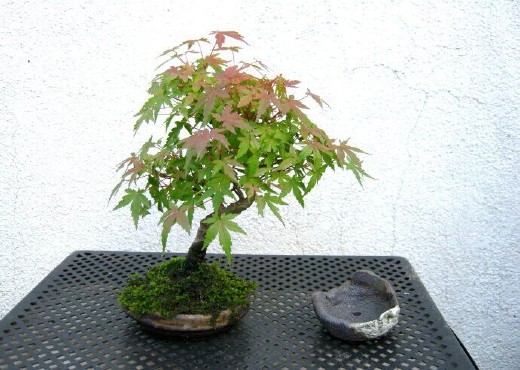
How to shape a Japanese maple bonsai? Detailed technical points
Aceraceae Acer genus, deciduous small tree, bark dark gray, branchlets slender; young branches green, thin and weak. Flowers purple, samaras purplish red when young, light brownish yellow when mature, the two wings spreading at an obtuse angle. Nutlets spherical, veins prominent; wings and nutlets opening at an obtuse angle. Sun-loving, prefers warm and humid climate, not strongly cold-hardy
-
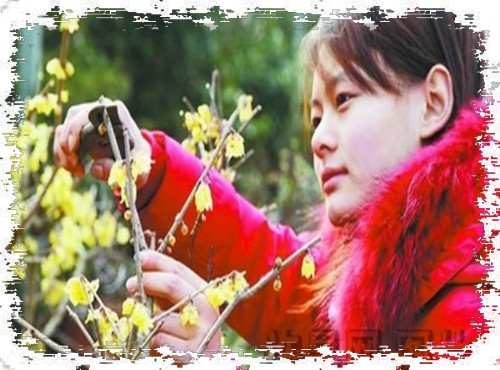
How to prune and wire a plum blossom bonsai? Detailed technical methods
Bonsai creation requires a certain level of skill and experience. To shape a bonsai with strong ornamental value, one simply cannot do it without five or six years of cultivation and shaping expertise. The two most critical techniques in bonsai shaping are pruning and wiring. Pruning techniques: some early woody flowering plants that bloom before leafing out
-

How to shape and maintain the form of mixed-wood bonsai? Detailed explanation of the technical key points
Chinese bonsai is divided into northern and southern styles. Lingnan bonsai is mainly based on mixed-wood species, and its branch-cultivation and trunk-chopping techniques, along with its theoretical maturity, have produced one group of famous masters and masterpieces after another. Their success will be forever recorded in history and praised by the world. Thanks to the efforts of Lingnan bonsai practitioners
-
How to prune fruit tree bonsai? A full analysis of the technical key points
Fruit trees grown in pots put on a relatively large amount of growth each year, and if left to grow unchecked, their fruiting is also hard to control. To maintain a perfect, compact tree shape and effectively control growth and fruiting, pruning must be carried out several times a year. By pruning period, it can be divided into dormant-season pruning (winter pruning) and growing-season pruning (summer pruning)
-
How to graft a Podocarpus bonsai? Detailed explanation of the technical key points
Grafting Podocarpus has been popular for a long time. Because this technique is simple, low-cost and quick to show results, grafted Podocarpus has become very common. Although the technique is simple and easy to learn, the survival rate of grafting is still not high at present. In some cases it is because there is a variety difference between the scion and the old stump, lacking affinity
-
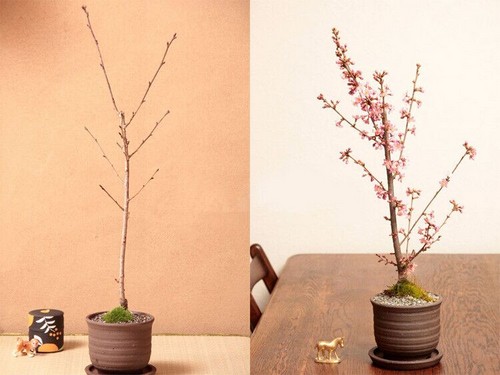
How to graft potted cherry blossoms? A detailed guide to the practical technical points
Cherry blossoms are an important ornamental flowering tree species for gardens. When they bloom in early spring, the large and gorgeous flowers cover the whole tree, even bending the branches with their weight; their form is graceful and dazzling. Afterwards the branches and leaves flourish, forming a canopy of green shade, and the bark is glossy with horizontal stripes. Suitable for roadside and courtyard greening and beautification
-
How to propagate Dutch aster (Aster novi-belgii) from seed? Key technical points explained in detail
Dutch aster is suitable for indoor ornamental pot cultivation and for arranging flower beds, flower borders, and more. It is even more suitable as a filler flower for flower baskets and cut flower arrangements. If lilies are used as the main material, paired with Dutch aster, kalanchoe, spring feather (Thaumatophyllum bipinnatifidum), and asparagus fern, the composition is very light and lively, and placed on a coffee table or desk, it looks especially fresh and pleasing. If multicolored Dutch aster is used as the main flower for vase arrangements
条件筛选