-
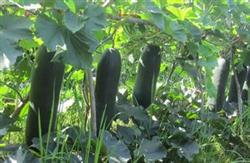
Key Technical Points for Trellis Cultivation of Winter Melon in Autumn
Adopting the new trellis cultivation technique can make full use of available space, save ground area, raise the multiple cropping index, and increase land output. Autumn planting can fill the market's off-season gap and increase agricultural income. 1. Variety selection. Choose small-fruited varieties such as Guangdong Long Black-Skinned Winter Melon. 2. Planting...
-
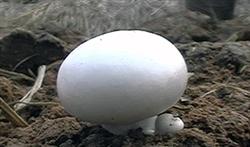
Autumn Fruiting Management Methods and Technical Key Points for Button Mushrooms
Button mushrooms (Agaricus bisporus) are a medium-to-low temperature type of mushroom. Their fresh mushrooms have a protein content of 35%-38%, and their nutritional value is 4-12 times that of vegetables and fruits. They enjoy the reputation of "health food" and "king of vegetarian foods," and are highly favored by domestic and international markets. When button mushrooms are cultivated in the Beijing area, September-November and April-May of the following year are the fruiting periods. Double...
-
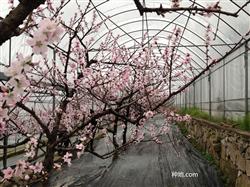
Peach Tree Summer Pinching Methods and Technical Key Points
Peach trees bloom very profusely; how should flower and fruit thinning be carried out? What should be noted? Peach trees bloom heavily and have a high fruit-setting rate, but too much fruit set can affect fruit quality, reduce commercial value, and can also weaken tree vigor and shorten lifespan. Flower and fruit thinning should be done in a timely manner, and earlier is better than later. First thin buds and flowers, then thin fruitlets 1-3...
-
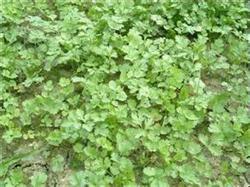
Detailed Explanation of Greenhouse Cilantro Cultivation Methods and Technical Points
I. Sowing Cilantro is generally sown from late October to early December. After sowing cilantro and before emergence, apply 250 to 300 grams of 25% nitrofen wettable powder, or 100 to 200 grams of 50% prometryn wettable powder, per mu, mixed with 75 to 90 kg of water, stir evenly, and spray on the bed surface, which can achieve good weed control...
-
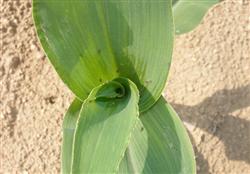
Key Technical Points for Transplanting Spring Corn with Plastic Film Mulch Cultivation
Q: The spring corn already has more than ten leaves, and now the field has a very high population of small brown planthoppers. Can I spray chlorpyrifos or fipronil to control them? A: The main damage small brown planthoppers cause to corn is spreading the viral disease maize rough dwarf. According to relevant data, the susceptible leaf-age period for corn runs from emergence to the 6-leaf stage (9 visible leaves),...
-
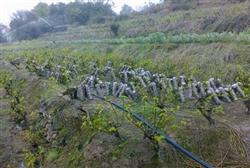
Key Technical Points for Interplanting Black Wood Ear Mushrooms in Orchards
Interplanting black wood ear mushrooms in trenches between orchard rows yields fairly considerable returns. The main cultivation methods are as follows: 1. Stock culture substrate formula: sawdust 78%, rice bran (or wheat bran) 5%, corncob 15%, gypsum powder 1%, sucrose 1%. Weigh each ingredient according to the above proportions. First dissolve the sucrose in water, then stir the sawdust, rice bran and gypsum powder...
-
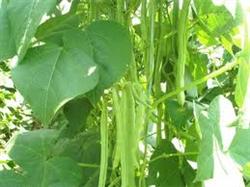
Key Technical Points for High-Efficiency Cultivation of Cucumber Intercropped with Kidney Beans
At present, greenhouse-cultivated kidney beans are in the vine-extending and flowering stage. How can we ensure a bumper harvest? Here we suggest vegetable growers grasp the following key measures for management. 1. Topping at the right time. The cultivation environment for greenhouse kidney beans differs from that for open-field kidney beans. Due to the higher temperature inside the greenhouse, growth is faster...
-

How to intercrop and relay-crop kidney beans in cotton fields? Detailed technical key points
1. Choose good varieties. Varieties should be selected that have wide adaptability, strong stress resistance, a high pod-setting rate, and high yield. 2. Sow at the right time. During cultivation, the appropriate sowing time should be grasped, and seeds that are plump and glossy should be selected for sowing, so that plant growth and development are under good environmental conditions, reducing flower and pod drop and improving...
-
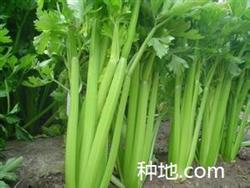
How to save celery seeds? Key technical points explained in detail
How do you save celery seeds? What should you pay attention to? Celery is a cold-hardy vegetable; before flower bud differentiation it needs low temperatures below 10°C, and vernalization is completed in about 10-15 days. However, it must grow to a certain size, about 3-4 leaves, before it can perceive low temperatures, and the longer seedlings are exposed to low temperatures, the higher the bolting rate. ...
-
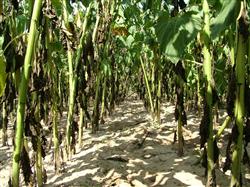
Detailed Explanation of Key Technical Points for Scientific Fertilization of Sunflowers
Based on the symptoms, it may be stem rot, a form of sclerotinia disease, which can be controlled with thiophanate-methyl. Or use thiophanate-methyl combined with carbendazim, procymidone, and dimethachlon for control.
条件筛选