Autumn Fruiting Management Methods and Technical Key Points for Button Mushrooms
Button mushrooms (Agaricus bisporus) are a medium-to-low temperature type of mushroom. Their fresh mushrooms have a protein content of 35%-38%, and their nutritional value is 4-12 times that of vegetables and fruits. They enjoy the reputation of "health food" and "king of vegetarian foods," and are highly favored by domestic and international markets. When button mushrooms are cultivated in the Beijing area, September-November and April-May of the following year are the fruiting periods. Double...
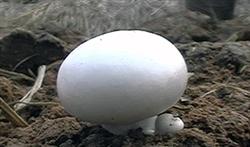
Button mushrooms (Agaricus bisporus) are a medium-to-low temperature type of mushroom. Their fresh mushrooms have a protein content of 35%-38%, and their nutritional value is 4-12 times that of vegetables and fruits. They enjoy the reputation of "health food" and "king of vegetarian foods," and are highly favored by domestic and international markets.
When button mushrooms are cultivated in the Beijing area, September-November and April-May of the following year are the fruiting periods. The fruiting management of button mushrooms can be divided into 3 different periods: autumn mushrooms, overwintering mushrooms, and spring mushrooms. Among them, autumn mushrooms account for more than 70% of the total yield and should be the focus of management. At present, this is the critical period for autumn fruiting management, and the following aspects should be emphasized in production:
1. Water management: The key is to control the amount of water used. With proper water use, the mycelium grows vigorously, fruiting bodies form abundantly, and the number of fruiting flushes increases. Too much water will cause the mycelium to shrink, and mushroom fruiting bodies to develop "rust spots," "red roots," and so on. If water is insufficient, the fruiting bodies will not be plump or will have scales on the surface. Generally, in the early stage of autumn mushrooms, when each flush of mushrooms has grown to the size of a soybean, give one heavy watering to supply the water needed for the next flush. Do not water immediately before or after harvesting, so as not to affect mushroom quality and the formation of the next flush. In the late stage of autumn mushrooms, as the temperature drops and fruiting decreases, the amount of water sprayed should be reduced, generally to about 0.5 kg/sq m. Watering is best done at night or in the early morning or evening.
2. Temperature management: During the fruiting period, the temperature in the mushroom shed should be maintained at 18°C-20°C. At lower temperatures, mushroom fruiting bodies are thicker and firmer, less likely to open their caps, and of better quality. In the early stage of autumn mushrooms, when the shed temperature is above 18°C, measures such as nighttime ventilation, spraying water around the shed, and thickening the shade layer can be taken to lower the shed temperature. In the late stage of autumn mushrooms, when the shed temperature is below 12°C, measures such as ventilating at noon, thickening the straw mats at night, and using black-and-white double-layer film can be taken to raise the shed temperature.
3. Ventilation management: During the growth and development stage of button mushroom fruiting bodies, respiration is more vigorous, more carbon dioxide is released, and oxygen consumption is greater. Therefore, after fruiting begins, ventilation and air exchange must be done well inside the mushroom house. Especially in early autumn, when the temperature is relatively high, poor ventilation will lead to poor development of fruiting bodies. Hang straw curtains on the doors and windows of the mushroom shed and spray water on the straw curtains. In this way, while ventilating, the humidity inside the shed can also be maintained, and hot wind can also be prevented from blowing directly onto the mushroom beds. In the late stage of autumn mushrooms, the temperature is relatively low and fruiting is reduced, so the amount of ventilation can be decreased, with the main focus on heat preservation to prevent cap opening. Ventilation of the mushroom house should be carried out at night or on rainy days.
4. Post-harvest management: After each harvest, promptly use tweezers to remove shriveled, yellowed old roots and dead mushrooms from the bed surface to prevent mold and pests and diseases. After each root removal, promptly replenish the soil to avoid water accumulating in small holes after watering, which would affect mycelial growth. After the mushroom bed has fruited for a period of time, nutrients are continuously consumed and the mushroom shape becomes smaller, so a 2% lime solution and topdressing must be applied along with watering. There are three commonly used topdressings: ① 2-5% industrial crude glucose or granulated sugar; ② 0.02% yeast powder solution; ③ 0.5% urea, monopotassium phosphate, etc.