-
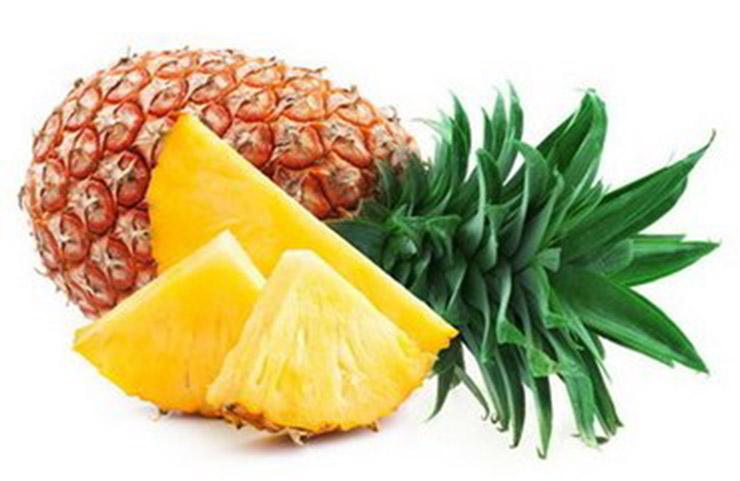
Key Technical Points for the Establishment and Management of Pineapple Plantations
Establishment and Management of Pineapple Plantations
-
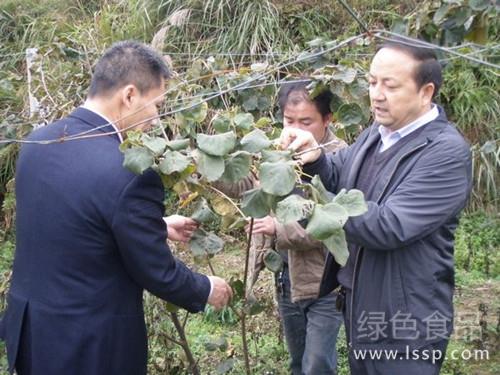
Key Technical Points for Spring Management of Hongyang Kiwifruit
The whole year's work depends on a good start in spring: spring management of Hongyang kiwifruit
-
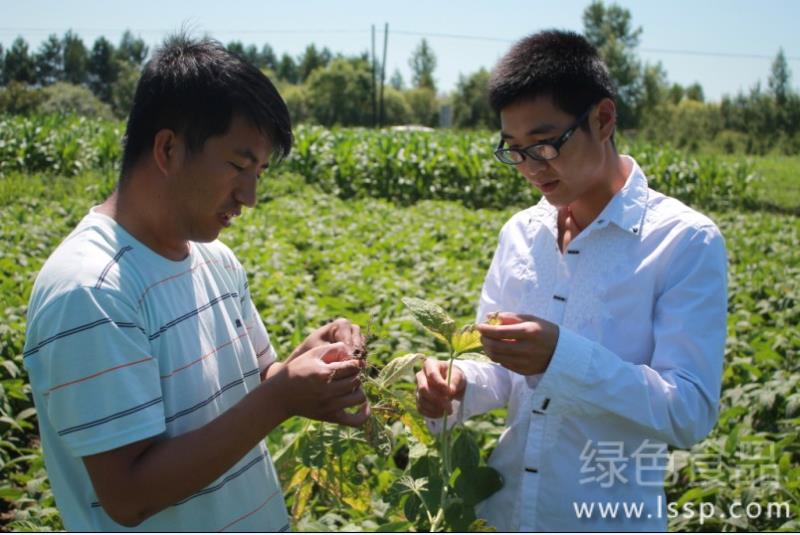
Key Technical Points for Mid-to-Late Stage Soybean Management: Topdressing, Drought Resistance, and Pest and Disease Control
Mid-to-Late Stage Soybean Management Techniques: Topdressing, Drought Resistance, and Pest and Disease Control
-
Key technical points for autumn planting management of tomatoes, green beans and other vegetables
Key technical points for autumn planting management of tomatoes, green beans and other vegetables
-

Key Technical Points for Mother Plant Cultivation Management and Pest and Disease Control of Phalaenopsis
Phalaenopsis is currently mainly sold as commercial potted plants and cut flowers. Most native Phalaenopsis species have small flowers with inconspicuous colors. Commercially cultivated Phalaenopsis are varieties developed through artificial hybridization and selection, with rich and varied flower colors and forms, and flowers and flower types of different sizes. Today we will learn together about mother plant cultivation management techniques for Phalaenopsis.
-
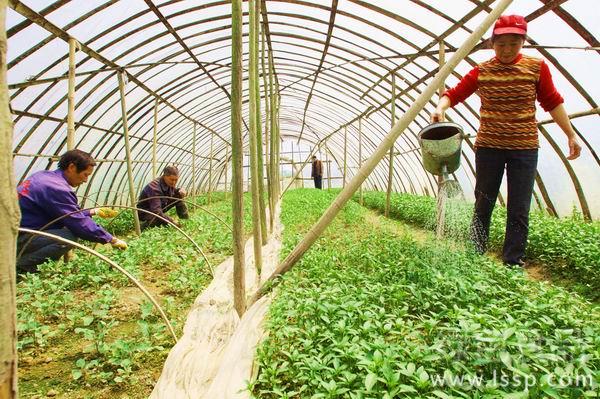
Technical recommendations for vegetable management given the large temperature fluctuations in winter
Technical recommendations for vegetable management given the large temperature fluctuations in winter
-
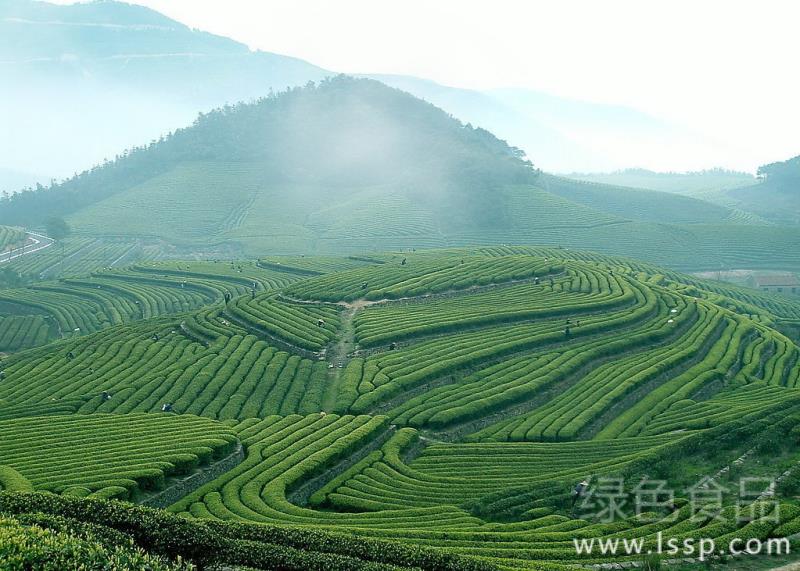
Key technical points for autumn and winter management of tea gardens to help achieve high tea yields
Key technical points for autumn and winter management of tea gardens to promote high tea yields
-
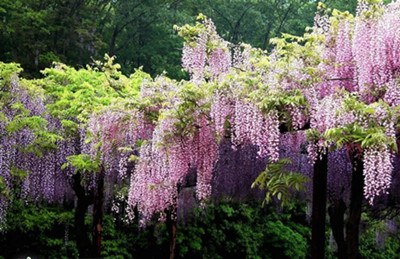
Detailed Explanation of the Key Technical Points for Wisteria Cultivation and Management
Wisteria, also known as tengluo, zhuteng, and huanghuan, Latin name: wisteria sinensis, belongs to the Fabaceae family, Wisteria genus, a deciduous climbing vine. The stem twines counterclockwise, the branches are relatively thick and sturdy, young branches are covered with white soft hairs, later becoming smooth; winter buds are oval. It is a deciduous climbing and twining large vine with dark gray bark that does not split.
-

Key technical points for autumn and winter management of mulberry trees, tea trees and fruit trees
I. Winter management of mulberry fields Doing a good job of winter management of mulberry fields lays a solid foundation for the growth of mulberry trees in the coming year and is also an important measure for increasing the yield and quality of mulberry fields. 1. Clearing the field: After the mulberry leaves fall, collect all the residual leaves and weeds in the mulberry field to make compost or burn them, so as to eliminate pathogenic bacteria and overwintering pests hidden in the mulberry leaves and weeds. 2. Bundling: Before winter plowing, use rice straw to bundle the mulberry branches together, which not only facilitates winter plowing and fertilization, but also lures pests to hide in the bundled straw to overwinter, making it easier to capture and kill them. 3. Winter plowing: Control the plowing depth at
-
Current key technical points for spring tea production management
Early picking and early marketing of spring tea, thereby increasing spring tea yield and output value, is the key to improving tea industry efficiency and increasing tea farmers' income. Combined with the actual tea production situation in Fuyang City, before spring tea picking, the main tasks are tea garden fertilization, tea tree pruning, freeze damage prevention, and tea factory and tea machine maintenance. 1. Shallow tillage and fertilization. Through shallow tillage, the soil can be loosened, the soil temperature raised, and early sprouting of spring tea promoted. Shallow tillage is generally carried out from late February to early March. When shallow tilling, combine with applying spring tea bud-promoting fertilizer. For tea gardens where base fertilizer was not applied in the previous autumn and winter, apply the spring tea bud-promoting fertilizer and base fertilizer at the same time. The amount of fertilizer applied depends on tea yield.
条件筛选