-
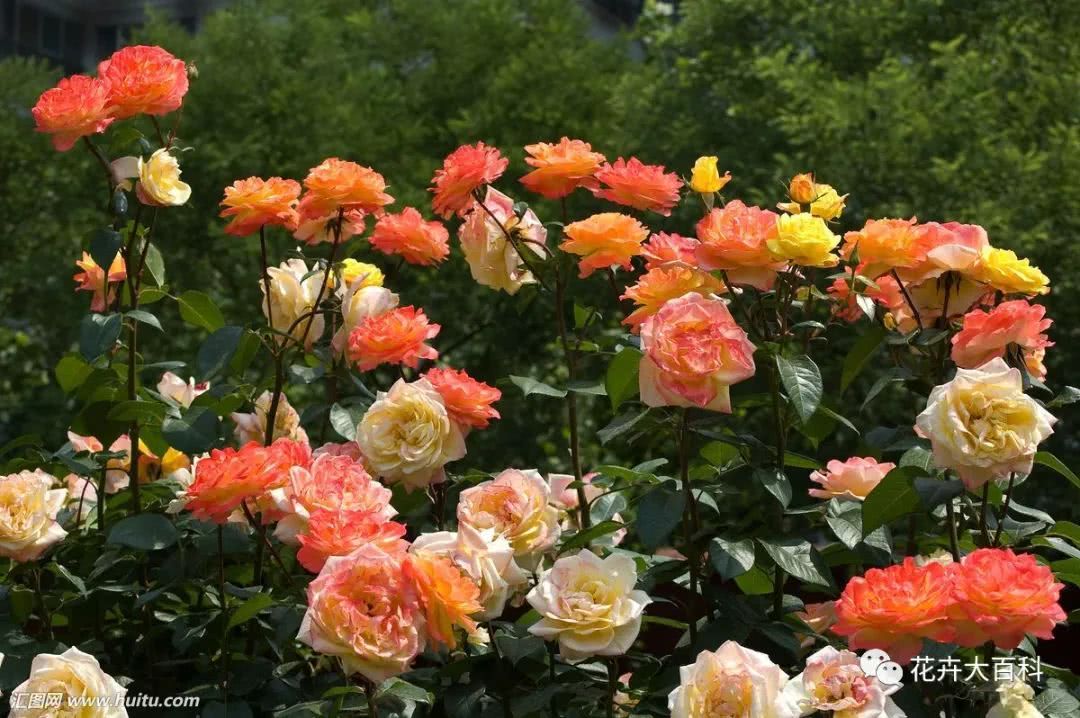
Rose black spot disease symptoms and transmission routes, prevent and control from the source to make flowers more robust
Rose black spot disease, also known as brown spot disease, is a relatively common disease of roses. First, you should start from the source of infection, promptly clean up fallen leaves and remove insect-damaged branches and diseased leaves. Use broad-spectrum fungicides for prevention and control starting from the early stage of the disease. Beautiful...
-
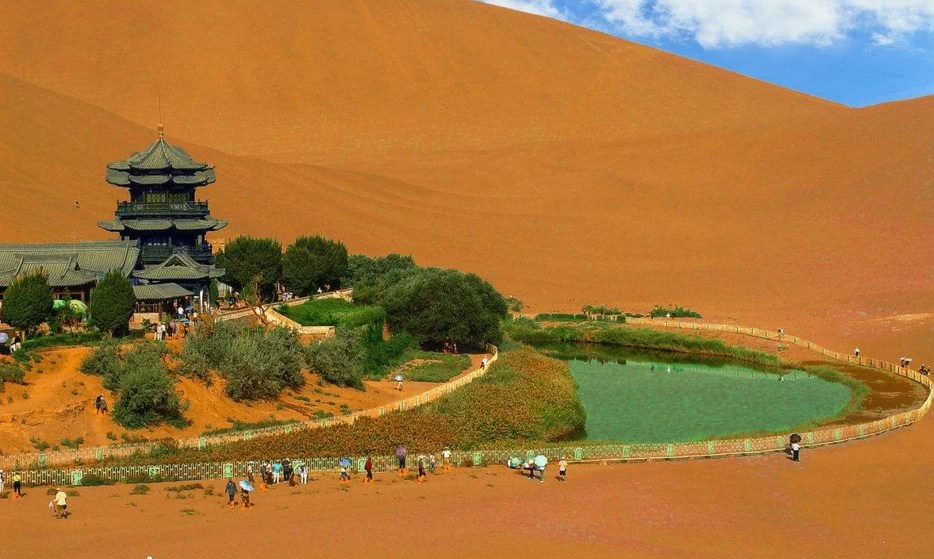
Why does Crescent Lake in the desert never dry up? It turns out the water source comes from here
The very thought of a desert makes you feel thirsty. Deserts can bring disasters, and that is sandstorms. Over the centuries, sandstorms have struck many villages. Some of the stronger sandstorms tore the roofs off houses and sent yellow sand...
-
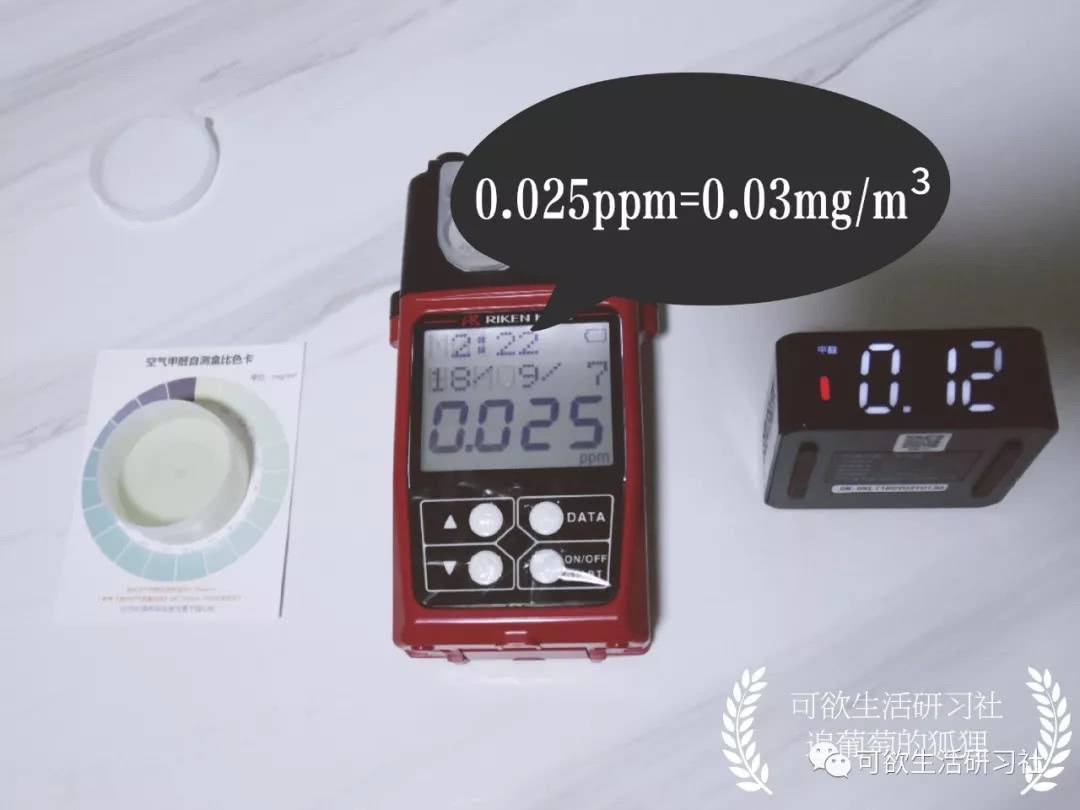
Is an online-purchased formaldehyde meter reliable? After checking countless sources, nothing beats trying it yourself.
A couple of days ago, Fox wrote an article titled "9 Ways Japan Removes Formaldehyde." At the time, after the Ziroom formaldehyde apartment incident, Mrs. Fox was badly frightened and kept asking: We've been having health problems for the past two years - could it be because of our rented apartment? To be honest, relying on youth...
-
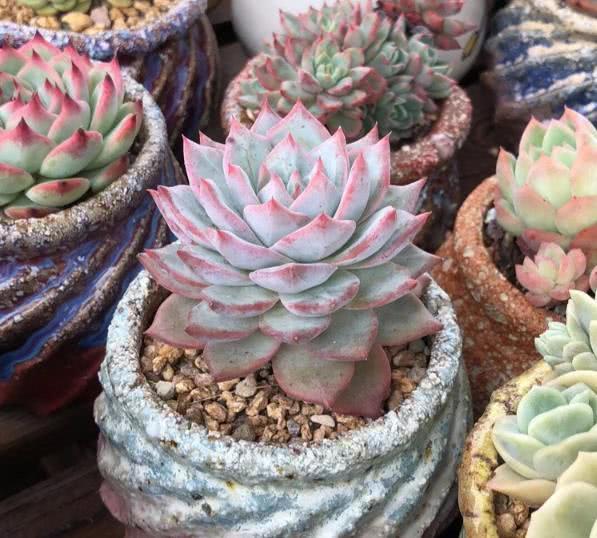
Can't get rid of mealybugs on your succulents? To control the pests, find the source first
Mealybugs are actually a group of small insects, and most of their bodies are covered with a waxy secretion. Mealybugs are one of the most common pests on succulents. They often gather in clusters on the stems and leaves of plants, sucking the sap from the stems and leaves, causing the plants...
-
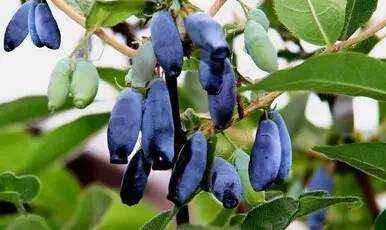
Conservation of Blue Honeysuckle (Lonicera caerulea) Germplasm Resources and Breeding of New Cultivars
Conservation of Blue Honeysuckle (Lonicera caerulea) Germplasm Resources and Breeding of New Cultivars The United States, Japan and Russia were among the earliest countries to carry out the collection, conservation and comprehensive evaluation of blue honeysuckle germplasm resources, and among them Russia conducted this research most systematically, achieving the best results...
-
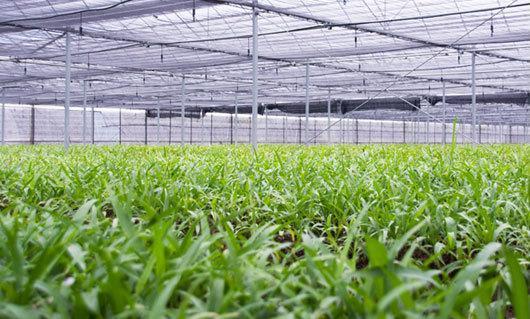
Detailed Explanation of Medicinal Resources and Tissue Culture Rapid Propagation Technology of Bletilla striata
Medicinal Resources and Tissue Culture Rapid Propagation Technology of Bletilla striata. After tuber propagation, Bletilla striata is susceptible to infection by pests, diseases, and viruses carried by seed tubers, resulting in degeneration phenomena such as weak growth, severe pests and diseases, and reduced yield. Bletilla striata seeds are numerous and their propagation does not transmit...
-
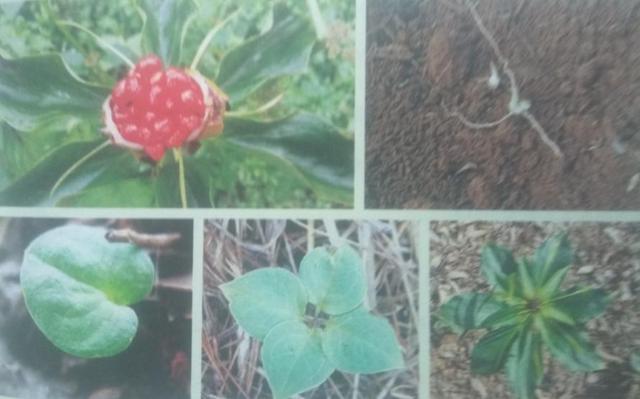
Detailed Explanation of Paris polyphylla Medicinal Resources and Growth and Development Patterns
Medicinal Resources and Growth and Development Patterns of Paris polyphylla. Paris polyphylla is a perennial herb with a relatively long life cycle, generally over 10 years, and under good conditions can survive for 30 years. The entire life cycle of Paris polyphylla begins with seed germination and can be divided into...
-
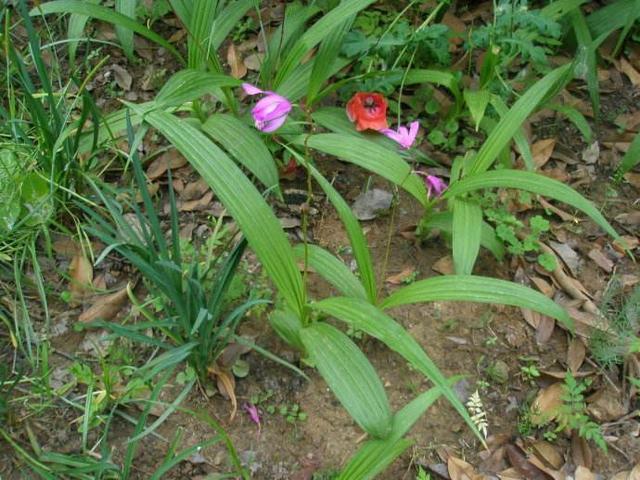
Detailed Explanation of Bletilla striata Medicinal Resources and Intercropping Techniques
Bletilla striata medicinal resources, intercropping techniques. Intercropping refers to planting two or more crops at a certain row ratio in the same period on one piece of land, which can not only fully utilize the land, but also fully utilize light energy and carbon dioxide, increasing...
-
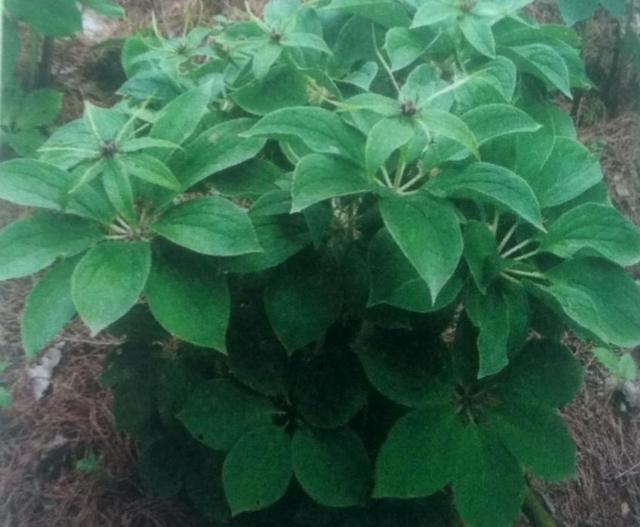
Detailed Explanation of Medicinal Resources and Superior Variety Breeding Methods of Paris polyphylla
Medicinal Resources and Superior Variety Breeding of Paris polyphylla. The artificial domestication of Paris polyphylla has not been long. At present, artificial cultivation of Paris polyphylla mainly relies on digging wild resources as seed sources and propagation materials. Due to differences in seed source origins and growth years, mixed seed sources, and the lack of...
-
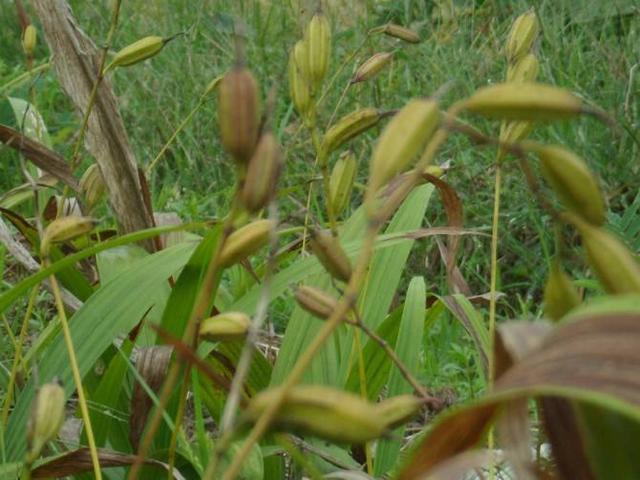
Medicinal Resources of Bletilla striata and Quality Grading of Seeds and Seedlings
Medicinal Resources of Bletilla striata and Quality Grading of Seeds and Seedlings (I) Seed Testing and Quality Grading 1. Sampling The maximum mass of a seed lot is 10 kg. The experimental sample is taken by the hand-halving method. The minimum submitted sample is 3 g, and the minimum purity analysis sample is...
条件筛选