-
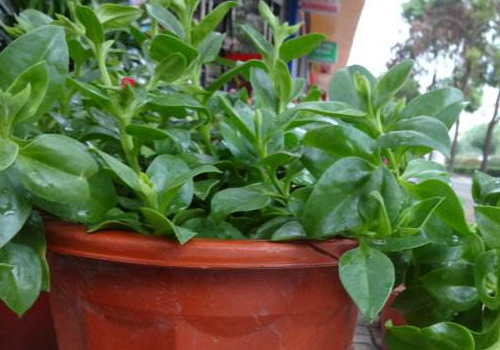
Can Aptenia cordifolia be grown in water? Solutions for soft leaves
Aptenia cordifolia loves light. Except for appropriate shading at noon in midsummer, it should be given sufficient light at all other times of the year. Can Aptenia cordifolia be grown in water? What to do if the leaves are soft: Can Aptenia cordifolia be grown in water: Aptenia cordifolia can be grown in water. Prepare water and disinfect. Clean the glass bottle thoroughly and pour in a small half-bottle of clean water.
-
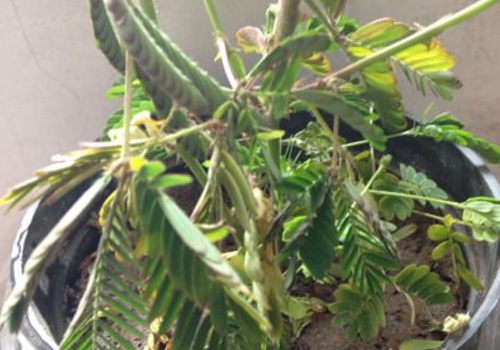
What to Do When Mimosa Leaves Turn Yellow? Causes and Solutions
Mimosa is a relatively easy plant to grow, but there are some things to keep in mind. What do mimosa leaves look like? What should you do if they turn yellow? What mimosa leaves look like: mimosa leaves resemble feathers - they are alternate bipinnate compound leaves, with 2 to 4 pinnae on the common petiole arranged in a palmate pattern.
-
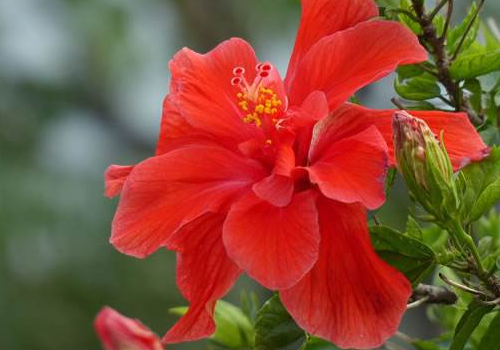
Which country's national flower is the hibiscus? Causes of yellowing leaves and solutions
Hibiscus, this is also a kind of plant, and many people like it. Its flowers are fairly large, and many people like it
-

What causes red leaves in rapeseed? Causes and solutions
Causes of and solutions for red leaves in rapeseed
-
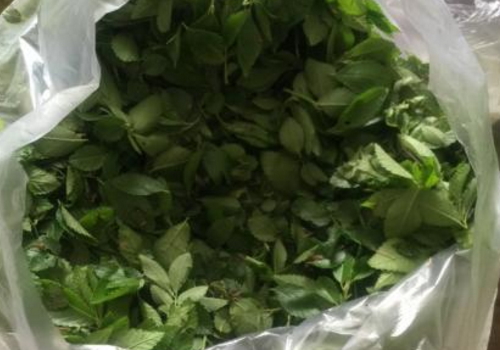
Shape characteristics of elm leaves and solutions for yellowing leaves
Elm leaves, these can be eaten, and eating them has certain benefits for the body. What do elm leaves look like? What to do if they turn yellow? What elm leaves look like: long ovate, leaf margins serrated, leaves relatively thin, veins clear, leaf underside and surface relatively rough. What to do if elm leaves turn yellow: 1. Water yellowing: potting soil waterlogged and wet for a long time
-
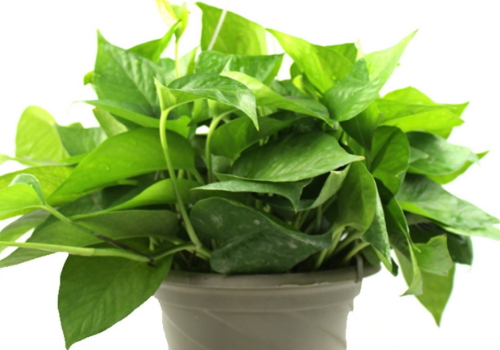
How Often to Water Pothos? Causes of Yellow Leaves and Solutions
Pothos is a plant many people keep, and sometimes you will notice problems with its leaves. How often should you water pothos? What should you do if the leaves turn yellow? How often to water pothos: 1. Water-cultured pothos actually needs watering every day! But this does not mean you should just pour water directly into the vase.
-
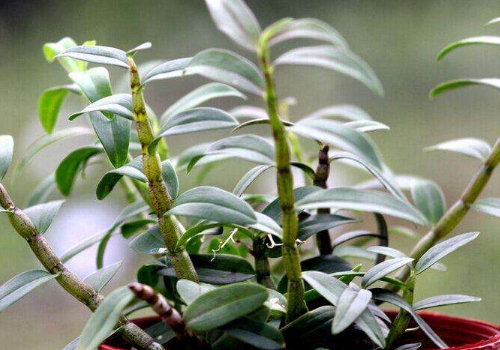
What fertilizer is best for Dendrobium officinale? Causes of yellowing leaves and solutions
Dendrobium officinale, many people have surely seen it, and there are some particular points to observe when growing it. What fertilizer is best for Dendrobium officinale? Causes of yellowing leaves and what to do? What fertilizer is best for Dendrobium officinale: Fertilizer: the nutrition of the aerial roots of Dendrobium officinale mainly relies on the orchid mycorrhiza of the root system to fix free nitrogen in the air
-
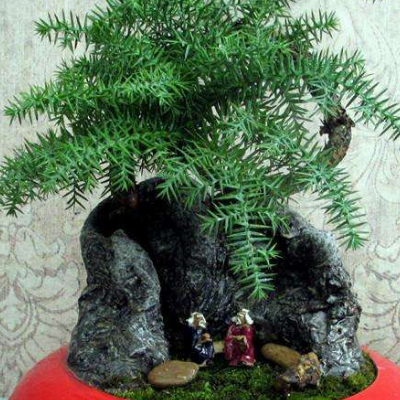
Australian Pine (Norfolk Island Pine) pruning methods and root rot solutions
The Australian Pine (Norfolk Island Pine) is an excellent bonsai plant and is also suitable for growing at home, so how do you prune an Australian Pine? What should you do if the Australian Pine gets root rot? How to prune an Australian Pine: prune according to its habits. First, let's talk about the growth habits of the Australian Pine, because no matter how we prune
-
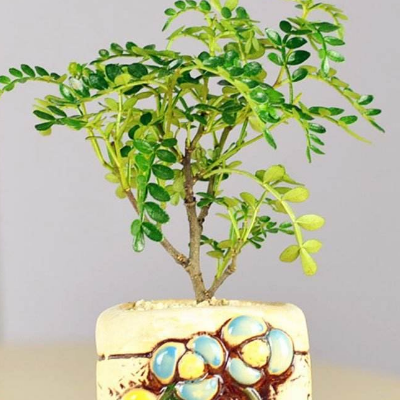
Can Qingxiangmu (Chinese pepper tree) really repel mosquitoes? Causes of yellowing leaves and solutions
Qingxiangmu is a plant with a very strong pepper fragrance and is also a very good ornamental plant, so can Qingxiangmu really repel mosquitoes? What should you do if Qingxiangmu leaves turn yellow? Can Qingxiangmu really repel mosquitoes: The whole Qingxiangmu plant has a strong pepper fragrance and helps purify the air and repel mosquitoes and flies
-
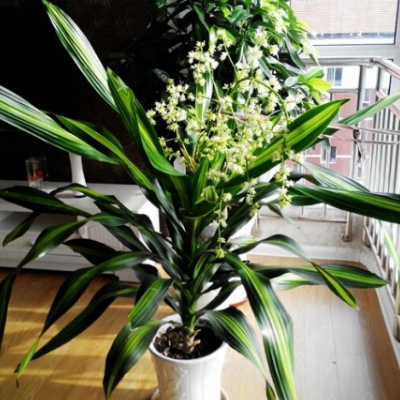
Is Dracaena fragrans toxic? Causes of yellowing leaves and solutions
Dracaena fragrans can be kept in the office and has ornamental value. Is Dracaena fragrans toxic? What should you do if its leaves turn yellow? Is Dracaena fragrans toxic: it is non-toxic. It likes a high-temperature, high-humidity, well-ventilated environment. The suitable growth temperature is 20-30°C. It prefers light but also tolerates shade, fears scorching sun, and avoids dryness and drought.
条件筛选