Detailed Explanation of Reishi Mushroom Cultivation Techniques: Scientific Cultivation Methods and Management Key Points
In recent years, bag-cultivated reishi mushroom has been widely promoted. The author summarizes years of reishi mushroom production practice, and now introduces several production technique key points as follows: 1. Choose a suitable cultivation period: In Taizhou City, Jiangsu Province, the most suitable cultivation period for reishi mushroom is from April 10 to May 10, and after May 20, the bags are opened successively for mushroom fruiting. Every year from June to...
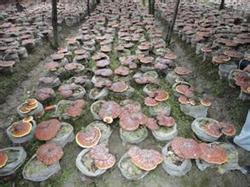
In recent years, bag-cultivated reishi mushroom has been widely promoted. The author summarizes years of reishi mushroom production practice, and now introduces several production technique key points as follows:
1. Choose a suitable cultivation period: In Taizhou City, Jiangsu Province, the most suitable cultivation period for reishi mushroom is from April 10 to May 10, and after May 20, the bags are opened successively for mushroom fruiting. Every year from June to July is the plum rain season, therefore, it is necessary to ensure that all bags are opened for mushroom fruiting before June 10, so that the reishi mushroom fruiting bodies can grow in a high-temperature and high-humidity environment, thereby achieving high and stable yields.
2. The culture material must be fresh and dry: The culture material for cultivating reishi mushroom must be especially fresh and dry. Fresh culture material is rich in nutrients and contains few contaminating microorganisms, which is conducive to the germination of mycelium and inhibits the growth of contaminating microorganisms. 3. Ventilation and air exchange during the mycelium growth period: Reishi mushroom is an aerobic fungus, and during the cultivation process of reishi mushroom, attention must be paid to ventilation and air exchange. When making reishi mushroom logs, it is best to seal the openings with plastic and cotton plugs. For fungus bags tied with plastic rope, after the mycelium covers the surface, micro-holes must be punched at both ends of the fungus bag for ventilation.
4. Reasonable water spraying during the fruiting period: During the growth period of reishi mushroom fruiting bodies, the air humidity in the reishi mushroom room is required to be 85%-95%. Under conditions of suitable environmental temperature, too low humidity will cause the reishi mushroom fruiting bodies to be thin and small, or even become rigid and stop growing. In the initial stage of fruiting body formation, water management is mainly spraying water on walls, bed frames, floors, and space. After the reishi mushroom cap diameter exceeds 3cm, along with the increase in ventilation volume, the frequency of water spraying should be increased, 3-4 times per day, and it can be sprayed directly onto the reishi mushrooms.
5. It is advisable to adopt the imitation wild cultivation method: Under the same cultivation conditions, wall-type imitation wild cultivation can increase yield by 20%-30% compared to bag cultivation. This is because during imitation wild cultivation, the soil contains the nutrients needed for reishi mushroom growth, and the soil has good water-holding capacity, which can provide suitable, continuous, and stable moisture conditions for reishi mushroom growth. Moreover, the mycelium extends and grows through the soil to connect into a whole, which can give play to its overall advantages.