How to fertilize tea plants scientifically? A full breakdown of the key methods
How to fertilize tea plants scientifically? Please advise. Fertilizer is the food for tea plant growth and the material basis for increasing tea yield and improving quality. Therefore, fertilization plays an important role in the growth of tea plants and the yield and quality of tea leaves. Good fertilization techniques can maximize the yield-increasing effect of fertilization, maintain and improve...
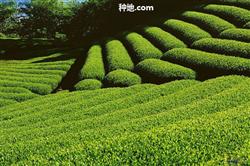
How to fertilize tea plants scientifically? Please advise.
Fertilizer is the food for tea plant growth and the material basis for increasing tea yield and improving quality. Therefore, fertilization plays an important role in the growth of tea plants and the yield and quality of tea leaves. Good fertilization techniques can maximize the yield-increasing effect of fertilization, maintain and improve the fine quality of tea leaves, sustain the vigorous growth of tea plants, and at the same time help restore and improve soil fertility. However, improper fertilization not only fails to increase tea yield, but can also cause a serious decline in tea quality and may even adversely affect tea plant growth. Therefore, tea garden fertilization should be adapted to local conditions, using appropriate fertilizer types and application methods, so as to give full play to fertilizer efficiency and achieve the purpose of fertilization.
Tea fertilization should comprehensively consider factors such as variety characteristics, soil conditions, yield level and cultivation method. In addition, organic fertilizer should be the main type, used in combination with inorganic fertilizer.
Organic fertilizer is a comprehensive fertilizer, rich in organic matter, with a slow but lasting effect. It has a good influence on tea plant growth and on improving tea yield and quality, and it can also improve the soil. Therefore, fertilization must be based mainly on organic fertilizer. Traditional organic fertilizers commonly used for tea include human and animal manure, barnyard manure, cake fertilizer, compost and green manure. Special organic fertilizers for tea have now been introduced on the market, offering advantages such as greater specificity, higher efficiency and easier application compared with traditional organic fertilizers. Inorganic fertilizer is a quick-acting fertilizer with a fast effect. In the vigorous growing and picking seasons of tea plants, large amounts of nutrients are consumed, and deficiencies in certain elements often appear, which must be supplemented in time to meet the normal needs of tea plant growth. Therefore, applying inorganic quick-acting fertilizer in combination is necessary. Among the traditional inorganic fertilizers commonly used for tea, nitrogen fertilizers include ammonium sulfate, ammonium nitrate, ammonium bicarbonate and urea; phosphorus fertilizers include superphosphate, phosphate rock powder and bone meal; potassium fertilizers include potassium sulfate and potassium chloride. At present, compound fertilizers specially formulated for tea are mainly used.
The specific measures and amounts are: 1. Base fertilizer (mid-to-late October to the end of November): nitrogen fertilizer 40%, phosphorus fertilizer 50%, potassium fertilizer 40%; 2. First topdressing (end of May): nitrogen fertilizer 30%, phosphorus fertilizer 25%, potassium fertilizer 30%; 3. Second topdressing (end of July): nitrogen fertilizer 30%, phosphorus fertilizer 25%, potassium fertilizer 30%.
Click to get more tea cultivation techniques
Click to get more flower cultivation techniques