Scientific Cultivation Methods and Technical Key Points for Shiitake Mushrooms
How to scientifically cultivate shiitake mushrooms? Please guide. The following shiitake cultivation methods can be used for reference: 1. Select good main cultivars. There are many shiitake varieties, and during cultivation, varieties should be reasonably selected according to local actual conditions. 1. Flower shiitake type: varieties include 135, 103, 9903, L241-4. They belong to late-maturing medium-low temperature strains, with thick mushroom flesh,...
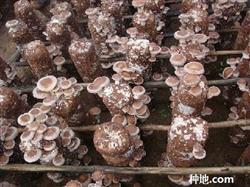
How to scientifically cultivate shiitake mushrooms? Please guide.
The following shiitake cultivation methods can be used for reference:
1. Select good main cultivars. There are many shiitake varieties, and during cultivation, varieties should be reasonably selected according to local actual conditions. 1. Flower shiitake type: varieties include 135, 103, 9903, L241-4. They belong to late-maturing medium-low temperature strains, with thick mushroom flesh, round and neat caps, and are prone to forming flower shiitake. Mycelial growth temperature is 6°C-30°C, and fruiting temperature is 6°C-25°C. 2. Medium temperature type: such as Suxiang No. 1, 8065, with round and neat mushroom shape, medium-sized fruit bodies, thick mushroom flesh, fast mycelial growth, strong resistance, and high yield. The fruiting temperature is 8°C-30°C, and they are the main varieties for fresh sales. 3. Medium-high temperature type: including L26, L21, with a fruiting temperature of 8°C-32°C. When fruiting at high temperatures, the mushroom shape is relatively small, the cap is thin, and the color is light.
II. Scientific cultivation. Mycelia decompose the culture medium relatively slowly, and are highly susceptible to infection by competitive contaminating fungi in environments above 26°C. Therefore, during the season when the temperature drops below 30°C, bagging and inoculation should be carried out promptly to shorten the mycelial growth period and strive to complete color change and fruiting at suitable temperatures.
Suitable culture medium formulas for mycelial growth and fruiting are: 1. Miscellaneous hardwood sawdust 78%, wheat bran 22%. 2. Miscellaneous hardwood sawdust 60%, cottonseed hulls 20%, wheat bran 20%. At the same time, add 0.2% potassium dihydrogen phosphate and magnesium sulfate to each formula. Mix the material with 1500-fold Duogufeng solution or 500-fold carbendazim solution. The mixed material should be bagged promptly. Bag specifications are 17×45 cm or 20×45 cm, and bag thickness should be above 5 silk (0.5 mm). The material should be packed tightly, and after bagging, it should be promptly placed in the stove for normal-pressure sterilization. After the temperature inside the stove reaches 100°C, maintain it for 10 hours. During this period, the temperature must not drop. After 10 hours, wait for natural cooling for 4 hours before removing from the stove. Move the fungus bags into a pre-disinfected inoculation room and let them cool naturally. Before inoculation, fumigate the inoculation room once again. For each cubic meter of space, use 15 ml of formalin plus 20 g of potassium permanganate for gas fumigation, then keep it sealed for 10 hours before entering for inoculation operations. For 17×45 cm bags, punch 6 inoculation holes; for 20×45 cm bags, punch 3 rows with 9 holes. During inoculation, seal the holes with spawn, then seal the openings with adhesive tape. Place the inoculated bags in a shed at 20°C-28°C for mycelial growth. When the mycelia spread around the inoculation hole with a diameter of 5 cm, puncture 2-3 small holes at the mycelial areas to promote after-ripening. When the entire bag is filled with mycelia, primordia protrude inside the bag, and the whole bag is soft and elastic, it is ready to enter the fruiting management stage.
When the temperature in the shed stabilizes between 20°C-28°C, transport the tube bags into the greenhouse and arrange them. Manage them according to different mushroom qualities. If focusing on cultivating flower shiitake, do not open the bags in the early stage; instead, open small holes at the fruiting positions to allow fruiting. The mushroom shed should be ventilated and cooled, with air humidity below 60% and temperature as low as below 15°C, which can produce high-quality white flower shiitake. For fresh mushroom cultivation, the bags can be opened before fruiting, and the shed should maintain moisture and warmth to promote color change and fruiting of the tube bags. Generally, after two flushes of mushrooms, the tube bags have a water content below 50%, and need water injection or bag irrigation to supplement moisture, which is beneficial for fruiting. Fruiting period management mainly involves soaking with water to promote fruiting, carried out in cycles. High-quality shiitake mushrooms are judged by the standard of not opening the cap, so they should be picked promptly when the mushroom cap is still curled inward.
III. Disease and pest control. For finished bags made in autumn, control at each stage should be strengthened to strictly prevent contamination by competitive fungi. For the control of green mold, Rhizopus, Aspergillus flavus, Fusarium and other contaminating fungi during the mycelial growth period, mix the material with 1000-1500-fold Duogufeng solution or 500-fold carbendazim solution. The inoculation room should be strictly sterilized, and inoculation should be closed. The mycelial growth site should be dry and ventilated, and contaminated bags should be removed promptly. During the bag-opening period, tube bags with local contamination should be uniformly arranged and sprayed with 500-fold Duogufeng solution, then dried. For mushroom tubes placed in dry land, frequent inspections should be carried out. If termite damage is found, soak with 2000-fold Guchongjing solution, or spray and irrigate the ant nest with 500-fold solution, which can promptly prevent their damage.
Click to get more shiitake cultivation techniques
Click to get more edible mushroom cultivation techniques