-

The new sesame variety Jinzhi No. 1 has the characteristics of high yield and high resistance
Jinzhi No. 1 is a new sesame variety selected and bred through years of research by the Wheat Research Institute of the Shanxi Academy of Agricultural Sciences. It passed provincial variety approval in 1994 and was recognized as an achievement by the Provincial Science and Technology Commission in 1998. (1) Characteristics: single stem, square stem, strong growth, dark green leaves, plant height 170 cm, three capsules per leaf, low position of the first capsule, dense capsules, 80 seeds per capsule, 1000-grain weight 3.1 g, white seed coat, excellent quality, oil content 56.2%, meeting export standards. Growth period 100 days for spring sowing, 85-90 days for summer sowing, belonging to the medium-early maturing variety
-
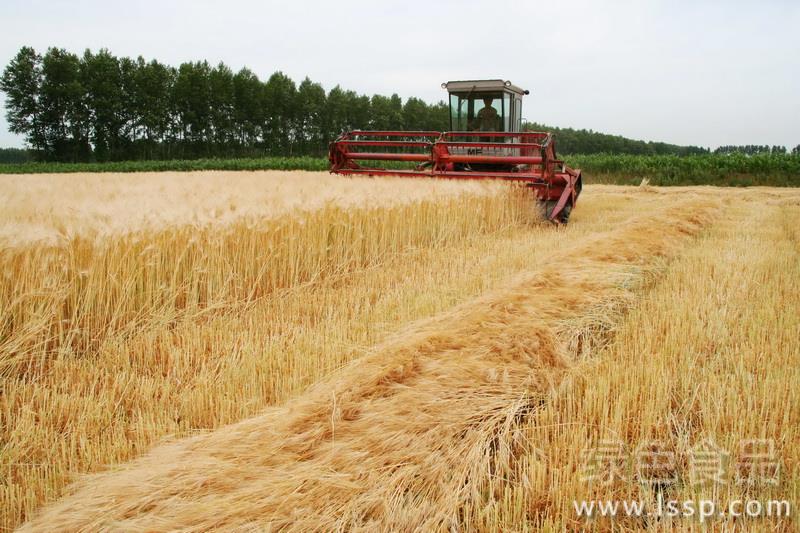
High-yield cultivation techniques for barley with drought resistance, cold tolerance and wide adaptability
High-yield cultivation techniques for barley with drought resistance, cold tolerance and wide adaptability
-
Early-maturing soybean Chaofeng No. 3: an excellent variety with super-high yield, high resistance and high efficiency
Chaofeng No. 3 soybean is an early-maturing variety with super-high yield, multiple resistance and high efficiency, bred over 8 years by researchers at the Research Institute of Jilin Province Northern Seed Industry Company. This variety overcomes the prominent problems of the past, when large-scale production applications were not high-yielding, had poor internal quality, failed to meet national quality standards, and were prone to pod shattering in dry years, resulting in high but unstable yields and high yields without high returns. In March 2007, it successfully passed provincial certification. Chaofeng No. 3 has a growth period of 110 days, and from sowing to harvest requires an active accumulated temperature of 2300°C
-
Technical Service Information for Tea Plant Frost Resistance and Post-Disaster Recovery
I. Remedial measures for tea plants after a disaster: 1. Scientific pruning: Because tea gardens with different varieties, different altitudes, and different slope aspects have different degrees of frost damage to their tea plants, generally tea gardens with large-leaf varieties, high altitude, and north-facing slopes suffer more severe frost damage to the tea plants. Timely and reasonable pruning should be carried out according to the degree of frost damage. After the temperature rises and stabilizes, observe the frost damage to the tea plants. For lighter frost damage, use light pruning, that is, cut about 3 cm below the leaf surface. For more severe frost damage, carry out deep pruning, cutting off 1/2-1/3 of the plant. For particularly severe frost damage
-
Detailed Explanation of Drought Prevention and Drought Resistance Technical Measures for Tea Seedlings
Whether a newly developed improved-variety tea garden can achieve full stands, uniform seedlings and grow well into a mature plantation depends first and foremost on whether it can safely pass through the summer-autumn drought period. This year's climate is quite unusual; just after the plum rain ended, the scorching sun hung overhead, and since early July there has been continuous high temperature, with some districts and counties experiencing 38°C-39°C for 7-8 consecutive days, severely threatening the growth, development and survival of tea seedlings. In our city, tea seedlings are most easily killed by sunburn in July and August, so how to do a good job in drought prevention and drought resistance for seedlings is crucial. Six aspects must be achieved: "shade", "cover", "irrigate", "fertilize", "
-
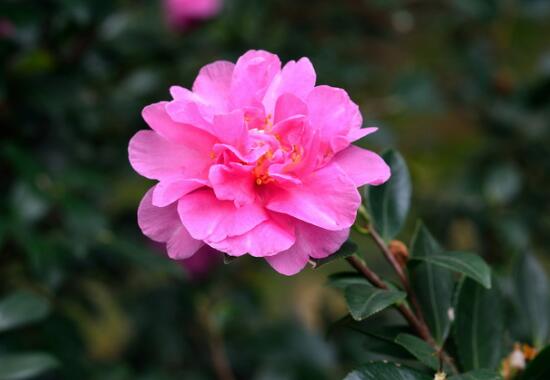
Which is easier to grow, camellia sasanqua or camellia? Camellia sasanqua is more expensive because it has stronger disease and cold resistance
Camellia is surely familiar to everyone; it is one of China's top ten famous flowers. As for camellia sasanqua, many people surely know it too. It gets its name because its form and flower shape combine the beauty of camellia and the elegance of plum blossom, making it a precious flower. Regarding camellia sasanqua and camellia, many flower lovers are puzzled: which is easier to grow, camellia sasanqua or camellia
-
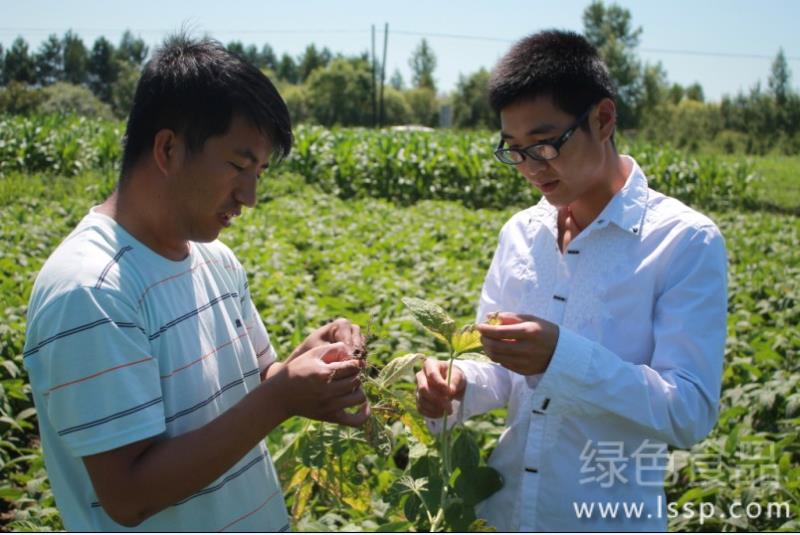
Key Technical Points for Mid-to-Late Stage Soybean Management: Topdressing, Drought Resistance, and Pest and Disease Control
Mid-to-Late Stage Soybean Management Techniques: Topdressing, Drought Resistance, and Pest and Disease Control
-
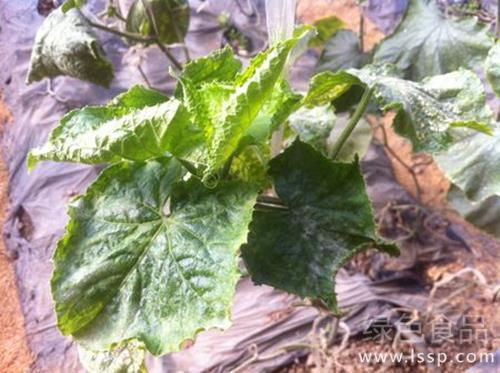
Overwintering cucumbers have poor disease resistance and many diseases: how to prevent and control common low-temperature diseases
Overwintering cucumbers have poor disease resistance and many diseases: how to prevent and control common low-temperature diseases
-
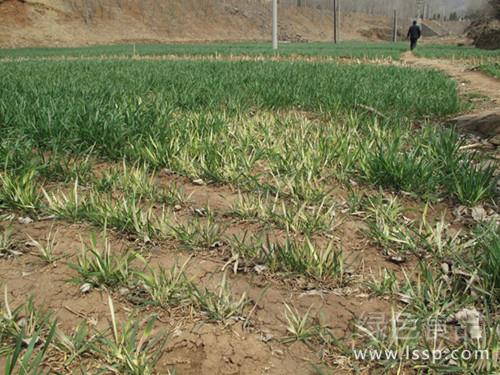
Poor drought resistance in wheat makes it prone to frost injury: a detailed explanation of the causes of frost damage and defense methods
Poor drought resistance in wheat makes it prone to frost injury: causes of wheat frost damage and defense methods
-
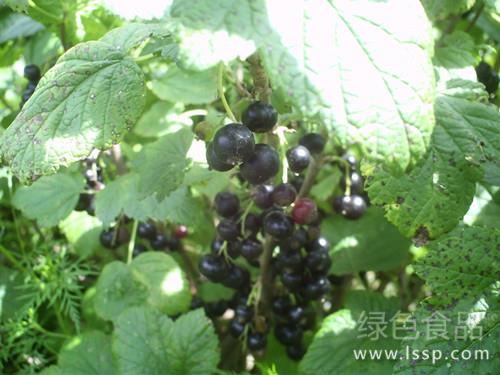
Key points of high-yield cultivation techniques for blackcurrant with strong disease resistance
Cultivation techniques for planting high-yield blackcurrant with strong disease resistance
条件筛选