-
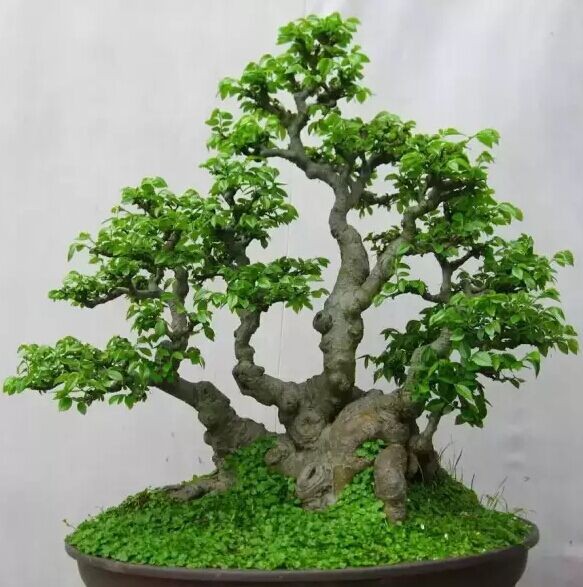
Pruning Methods and Techniques for Elm Bonsai
Deciduous tree, up to 25 m tall, 1 m in diameter at breast height, becoming shrub-like on dry, barren ground; bark of young trees smooth, grayish brown or light gray, bark of mature trees dark gray, irregularly deeply fissured, rough; branchlets glabrous or pubescent, pale yellowish gray, pale brownish gray or gray, rarely pale brownish yellow or yellow, with scattered lenticels
-
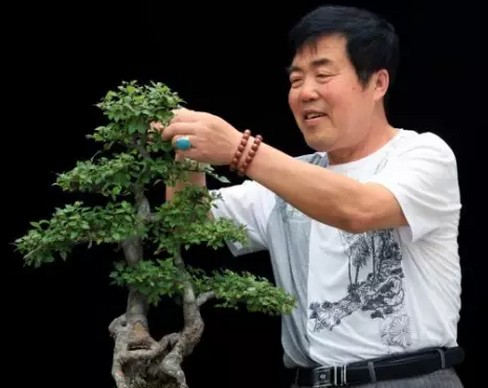
A Complete Guide to Bonsai Pruning Techniques and Methods
A tree-stump bonsai that has already been shaped by wire training or that has naturally good form will often grow many new branches. To maintain its perfect posture, the bonsai must be pruned regularly; otherwise it will gradually lose its layers, become out of proportion, and its tree form will become disordered. 1. Promptly prune away useless branches
-
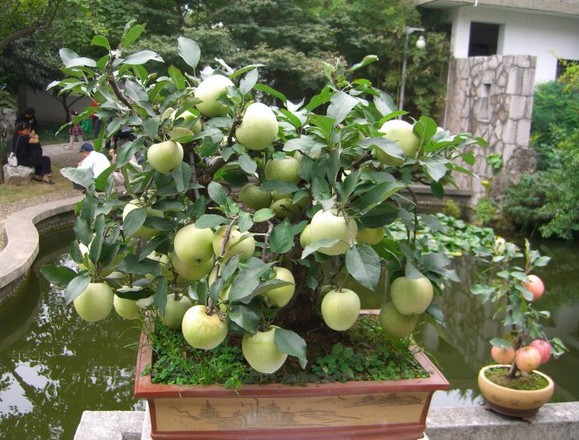
Detailed Explanation of Winter Pruning Methods for Fruit Tree Bonsai, Beginners Can Learn Too
Winter pruning, also called dormant-season pruning, refers to pruning during the dormant period from after the fruit tree sheds its leaves until spring flower buds begin to swell. The so-called winter pruning keeps the tree vigorous because at this time most of the nutrients have already been transferred from the branches and leaves to the main trunk and roots of the fruit tree for storage, so pruning causes the least nutrient loss to the fruit tree and less damage to the tree body.
-
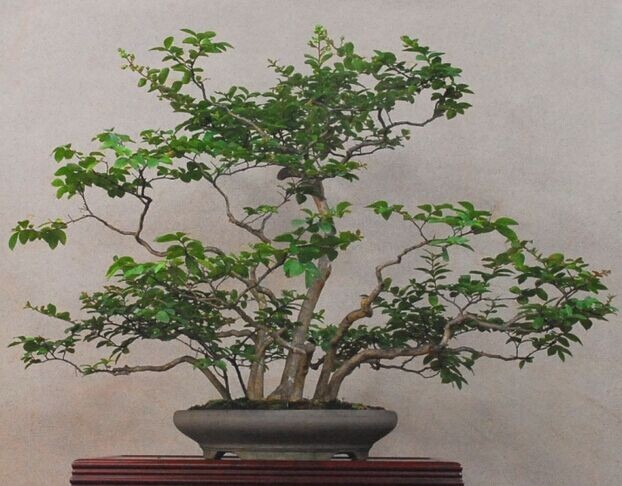
Detailed Explanation of Pruning and Shaping Methods for Crape Myrtle Bonsai
Crape myrtle (Lagerstroemia indica) is tolerant of pruning, has strong branching ability, and produces a large amount of new shoot growth. Therefore, after flowering, the spent flowers should be cut off, which can extend the flowering period. Sucker branches, overlapping branches, crossing branches, radiating branches, and diseased branches should be removed at any time to avoid consuming nutrients. Pruning and shaping: 1. General pruning and shaping of crape myrtle bonsai
-
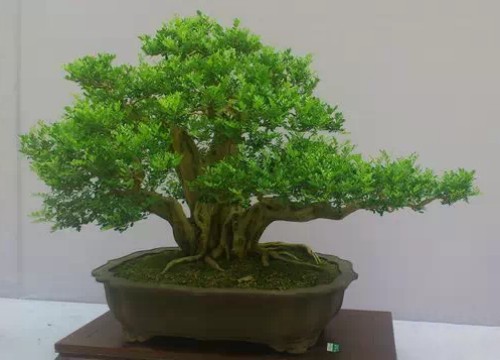
How to prune a Murraya paniculata bonsai? Detailed pruning methods
After the Murraya paniculata (orange jasmine) has taken shape, it continues to grow. If it is allowed to grow naturally without restraint, it will inevitably affect the tree's form and cause it to lose its artistic value. Therefore, it must be pruned in time: long branches cut short, dense branches thinned, to maintain a graceful tree form and appropriate proportions. This is especially true because Murraya paniculata has strong sprouting ability; to maintain a certain tree shape
-
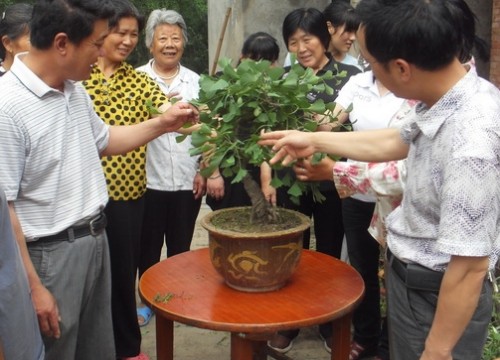
What are the pruning methods for ginkgo bonsai?
Pruning is one of the main techniques in creating ginkgo bonsai. Its purpose is to highlight the trunk, fill out the ornamental branches, express various different artistic conceptions, and enhance artistic value, making it naturally quaint, elegant and understated. The principle is to cut away surplus side branches, parallel branches, crossing branches, overly dense branches, leggy branches and diseased or dead branches
-
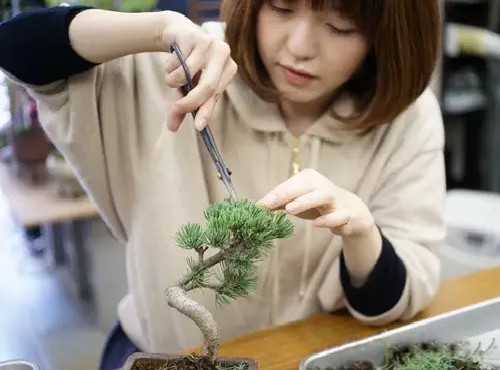
Detailed Explanation of Pruning Methods and Techniques for Small-Scale Bonsai
Pruning of small-scale bonsai is synonymous with the means of shaping bonsai trees. Although there are also techniques such as wiring, pulling and hanging, guy-wiring, carving and grafting, they are often conventionally grouped under pruning. As the main means of bonsai shaping, it not only integrates related techniques
-
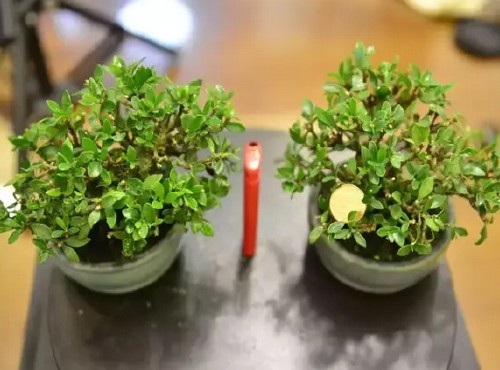
Detailed Guide to Leaf-Control Pruning Methods for Gardenia Bonsai
Gardenia is a fairly easy bonsai species to get started with. It tolerates pruning well, full sun is no problem, and growing it in shade rarely causes major issues (it just grows poorly). It tolerates waterlogging, so heavy watering and heavy feeding are fine, and a bit of dryness is fine too. When it comes to Japanese shohin bonsai, players generally choose it for 2 reasons. First, the cultivars are impressive, so they play for the cultivars. Second
-
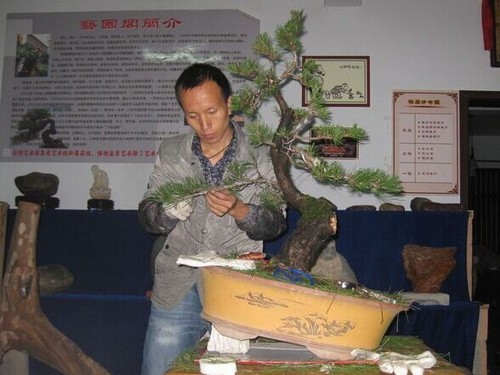
A Detailed Guide to the Pruning and Styling Methods for Black Pine Bonsai
The pruning and styling of black pine bonsai is mainly achieved through pruning and wiring; methods such as grafting and forcing buds on young shoots can only serve as auxiliary techniques. The black pine to be styled must have already been cultivated for 1-2 years: the best time for styling is from December to February of the following year.
-
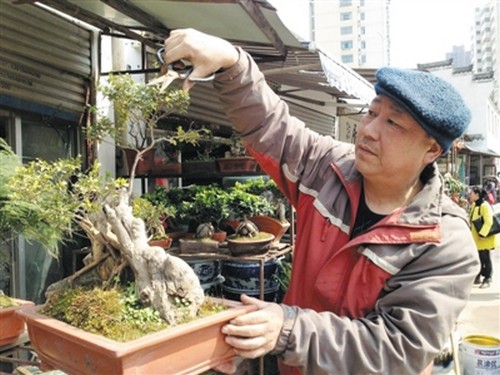
How to Prune Azalea Bonsai? Detailed Pruning Methods and Techniques
Pruning and shaping is an important measure in daily maintenance and management work, as it can regulate growth and development, thereby promoting vigorous growth. Daily pruning requires cutting off a small number of diseased branches and weak old branches, and removing some overly dense branches according to the tree crown shape to increase ventilation and light penetration, which benefits plant growth. For azalea gardens, frequent inspections are necessary
条件筛选