-

New EU Organic Product Certification Regulation Rejects Hydroponic Growing
On June 14, 2018, the European Commission published (EU) 2018/848, the new regulation on organic products and organic product labelling, which will take effect on January 1, 2021, at which point (EC) No 834/2007 will be repealed. On June 14, 2018, the European Commission published (EU) 2018/848, the new
-
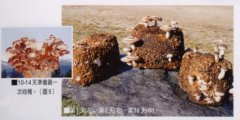
Practical Techniques for Shiitake Cultivation and New Techniques for Fast-Growing, High-Yield Production
The scientific name of shiitake is Lentinus edodes. It is a low-calorie food; eating 50 grams of shiitake per day provides only 15 calories. Its protein and fiber content are also high, and it is rich in calcium; in addition, shiitake contains two components that have been proven to have medicinal effects, namely
-

What causes deformed eggplant fruits? How to prevent and control them
During eggplant production, it is common to see eggplant fruits that are curved, cracked, or hard as stone. The causes are mainly influenced by variety, plant vigor, environmental factors, and cultivation techniques. Research indicates that the minimum temperature for eggplant pollen germination and pollen tube elongation
-
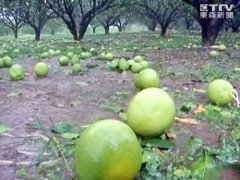
How to Make Compost from Fallen Pomelo Fruit? A Detailed Guide to Production and Use
Production and Use of Compost from Fallen Pomelo Fruit. In the Hualien area, the transition between summer and autumn is often hit by typhoons, and July and August coincide with the ripening period of pomelo fruit, which frequently causes enormous losses for fruit growers. Large quantities of fallen pomelo fruit have a huge impact on the environmental hygiene of orchards; they not only
-
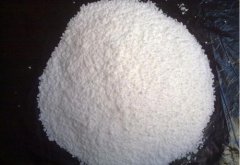
What is melamine, and can dairy products containing melamine be used to make organic fertilizer?
Melamine dealt a severe blow to dairy products, and the public dared not consume them. If tainted milk powder is used as fertilizer, will it be absorbed by crops and affect human health? Melamine is a nitrogen-containing organic compound produced from urea as a raw material; it is biodegradable, and after being decomposed into urea by microorganisms, it does not harm plants.
-
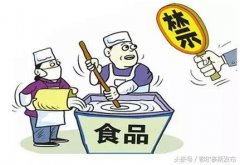
What harm can long-term consumption of substandard soy products cause?
The government health bureau recently conducted spot checks on Qingming festival foods sold on the market. Of 33 items, 5 were substandard. Among them, 4 soy products were found to contain residual hydrogen peroxide, and 1 peanut powder was found to contain aflatoxin exceeding the limit. The substandard rate was 15.2%. The health bureau stated that if the investigation is confirmed,
-

What are some modern agricultural technologies? These three treasures are products of technological development
The Taiwan Agricultural Research Institute's fruit and vegetable cultivation greenhouse uses a double-net and insect-proof walkway design to reduce pest problems inside the greenhouse, and by adjusting crop cultivation row and plant spacing to reserve space for small agricultural machinery to move through, the number of plants cultivated per unit area not only does not decrease, but can also be coordinated with agricultural machinery for
-
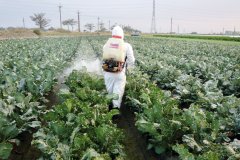
What causes plant pests and diseases? Tracing the origins of IPM crop production management techniques
IPM is not about setting absolute methods, but about finding the most optimized approach. Let's take a look together below. Cruciferous crops in their growth pattern often develop serious pests and diseases only near harvest time. Taking broccoli as an example, the head is covered by outer leaves, and pests easily hide within, leading to poor control
-
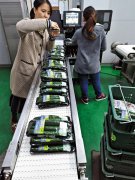
Is traceability certification not the main focus? Farm management system risk is the real key?
Traceability certification: certification does not equal obtaining a license; assessing farm management risk is the main focus. Let's take a look below. Obtaining the traceable agricultural products label requires passing third-party verification; auditing and sampling are unavoidable procedures, and extra fees are required, which puts farmers
-
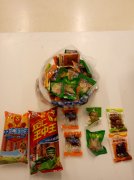
Latest African Swine Fever Update: Pork Products Carried by Passengers at Taoyuan Airport Test Positive for African Swine Fever Again
A Chinese passenger illegally brought ham sausage from Nanjing, China, and it tested positive for the African swine fever virus. Is this true? The Bureau of Animal and Plant Health Inspection and Quarantine said today (the 10th) that 2 more cases of African swine fever virus genes have been detected in Chinese pork products carried into the country by passengers at Taoyuan Airport. The Bureau of Animal and Plant Health Inspection and Quarantine
条件筛选