-
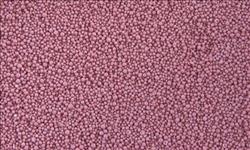
What are the methods for distinguishing potassium sulfate from potassium chloride?
How do you distinguish potassium sulfate from potassium chloride? Please give a detailed introduction. To distinguish potassium sulfate from potassium chloride, you can refer to the following methods: since potassium chloride is lower in price than potassium sulfate and cannot be used on chlorine-sensitive crops, to correctly distinguish and use these two fertilizers, note: first, when buying potash fertilizer, first look with your eyes at the appearance...
-
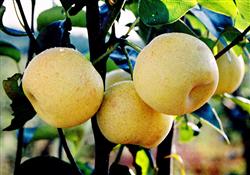
Which crops are suitable for potassium sulfate and potassium chloride application?
Which crops are suitable for potassium sulfate or potassium chloride application? Please give an introduction. Crop chloride tolerance refers to a crop's ability to endure chloride applied to the roots without suffering toxicity; the lower the concentration at which toxicity begins, the poorer the chloride tolerance. Among common crops, those with strong chloride tolerance include sugar beet, spinach, foxtail millet, kenaf, radish, chrysanthemum, rice, sorghum...
-
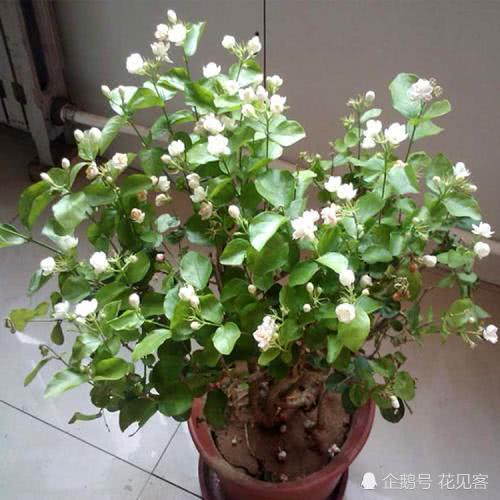
Using potassium dihydrogen phosphate for foliar feeding of flowers and green plants: pay attention to 3 points to avoid fertilizer burn
As people's living standards improve, many people keep some flowers and green plants at home, commonly including clivia, jasmine, and the happiness tree, to decorate the home and add a touch of green. And plants need fertilizer for both growth and flowering, while phosphorus...
-
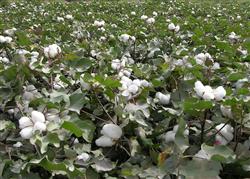
How should potassium fertilizer be applied when growing cotton?
How should potassium fertilizer be applied when growing cotton? Please give an introduction. In cotton fertilization, people generally focus on applying phosphorus fertilizer and nitrogen fertilizer, and do not pay enough attention to the application of potassium fertilizer. According to data, for every 50 kg of lint cotton produced, 9 kg of pure nitrogen, 3 kg of pure phosphorus, and 8 kg of pure potassium must be absorbed from the soil. If 100 kg of lint cotton is produced, then...
-
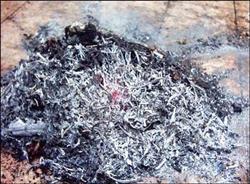
A Detailed Guide to Practical Methods for Making Potassium Fertilizer from Wood Ash at Home
The chemical formula of wood ash is potassium carbonate (K2CO3). Wood ash fertilizer, being the ash left after plants are burned, contains almost all the mineral elements found in plants. In general, wood ash has a relatively high content of potassium oxide; on average, 10 kg of wood ash is equivalent to the effective content of 1 kg of potassium sulfate...
-
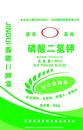
How to identify potassium dihydrogen phosphate? Here are a few simple and practical methods
How to identify potassium dihydrogen phosphate? We hope experienced readers will share their methods. Zhongdi Network has compiled three methods for identifying potassium dihydrogen phosphate, listed below for readers' reference. Method 1: The standard packaging states a potassium dihydrogen phosphate content (on a dry basis) of ≥98%, rather than stating a total content of various other elements of...
-
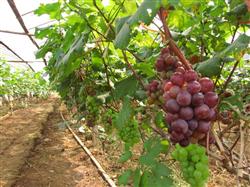
When is the best time to apply potassium fertilizer to grapes?
When should potassium fertilizer be applied to grapes? How can it be used well? Potassium fertilizer is very important throughout the entire growth period of grapes, especially during fruit growth, when the demand is even greater. Therefore, grapes are known as a "potassium"-loving crop. Potassium fertilizer can promote grape fruit enlargement and ripening, improve variety quality and storage tolerance, and promote branch thickening...
-
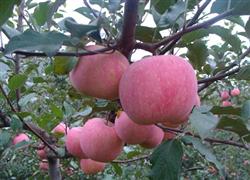
What are the functions of potassium fertilizer? A detailed explanation of its benefits for crop growth
What are the functions of potassium fertilizer? What methods can increase the potassium fertilizer content in fields? We also ask knowledgeable netizens to help explain. Potassium is one of the three major fertilizer elements, and potassium in plants generally accounts for 0.2%~4.1% of dry matter weight, second only to nitrogen. Zhongdi Wang has compiled the effects of potassium fertilizer on crops and methods to improve potassium fertilizer use efficiency...
-
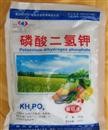
What is potassium dihydrogen phosphate, and how should it be used?
What is potassium dihydrogen phosphate? How is potassium dihydrogen phosphate used? Experienced netizens are also asked to help explain. Potassium dihydrogen phosphate is a common fertilizer variety on the agricultural materials market. Potassium dihydrogen phosphate is widely suitable for almost all types of crops, including various economic crops, food crops, melons and fruits, and vegetables. Therefore, Zhongdi Web has compiled the phosphorus...
-
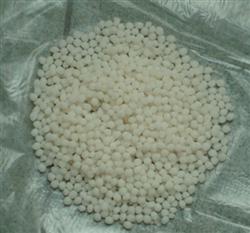
What are the respective roles of nitrogen fertilizer, phosphorus fertilizer, and potassium fertilizer?
What are the roles of nitrogen fertilizer, phosphorus fertilizer, and potassium fertilizer? What varieties of nitrogen fertilizer, phosphorus fertilizer, and potassium fertilizer are there? Is there any knowledgeable netizen who can help explain? Nitrogen fertilizer, phosphorus fertilizer, and potassium fertilizer are indispensable elements for agricultural planting, so Zhongdiwang has compiled the main roles and common varieties of nitrogen fertilizer, phosphorus fertilizer, and potassium fertilizer, listed in detail below...
条件筛选