How to identify potassium dihydrogen phosphate? Here are a few simple and practical methods
How to identify potassium dihydrogen phosphate? We hope experienced readers will share their methods. Zhongdi Network has compiled three methods for identifying potassium dihydrogen phosphate, listed below for readers' reference. Method 1: The standard packaging states a potassium dihydrogen phosphate content (on a dry basis) of ≥98%, rather than stating a total content of various other elements of...
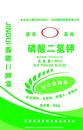 How to identify potassium dihydrogen phosphate? We hope experienced readers will share their methods
Zhongdi Network has compiled three methods for identifying potassium dihydrogen phosphate, listed below for readers' reference.
Method 1:Standard packaging states a potassium dihydrogen phosphate content (on a dry basis) of ≥98%, rather than stating a total content of various other elements of ≥98%, or a total content of other substances of ≥98%. The potassium oxide content (K2O) in the product is ≥33.2%. It is not a product whose phosphorus content appears to reach the required level because it is mixed with other phosphorus-containing substances, but whose potassium (K2O) content is on the low side.
This is because whether the potassium content meets the standard is the key to whether potassium dihydrogen phosphate is effective; only the reasonable phosphorus-to-potassium ratio in potassium dihydrogen phosphate makes it so effective.
Method 2:Because genuine potassium dihydrogen phosphate has a very high content of effective nutrients, its price is relatively high. If a product is sold at a very low price, it must be counterfeit, so be sure to pay attention when buying. This is because such fakes are very easy to imitate; although they will not cause great harm to crops, they waste money and effort in vain without achieving the effect of increasing yield and income.
Method 3:According to the national measures for the administration of fertilizer registration, potassium dihydrogen phosphate is one of more than a dozen fertilizers whose fertilizer effect has been proven through long-term field use, and it does not require a fertilizer registration certificate.
Click to get more nitrogen, phosphorus and potassium application techniques
Click to get more chemical fertilizer application techniques