What are the functions of potassium fertilizer? A detailed explanation of its benefits for crop growth
What are the functions of potassium fertilizer? What methods can increase the potassium fertilizer content in fields? We also ask knowledgeable netizens to help explain. Potassium is one of the three major fertilizer elements, and potassium in plants generally accounts for 0.2%~4.1% of dry matter weight, second only to nitrogen. Zhongdi Wang has compiled the effects of potassium fertilizer on crops and methods to improve potassium fertilizer use efficiency...
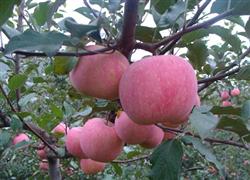 What are the functions of potassium fertilizer? What methods can increase the potassium fertilizer content in fields? We also ask knowledgeable netizens to help explain
Potassium is one of the three major fertilizer elements, and potassium in plants generally accounts for 0.2%~4.1% of dry matter weight, second only to nitrogen. Zhongdi Wang has compiled the effects of potassium fertilizer on crops and methods to improve potassium fertilizer use efficiency, listed in detail below for netizens' reference.
Functions of potassium fertilizer:
Function 1: Potassium fertilizer can improve the appearance quality of crop products:
Potassium can promote photosynthesis, improve photosynthetic efficiency, and promote the transport of photosynthetic products. When potassium is sufficient, monosaccharides proceed toward the synthesis of sucrose and starch, so potassium has a good effect on the yield and quality of starch and sugar crops. Potassium can also promote the absorption and utilization of nitrogen by crops and promote protein synthesis. Therefore, when potassium supply is sufficient, it not only increases yield but also increases the protein content in grains and improves quality.
The beneficial role of potassium in improving product quality is shown not only in the increase of basic nutrients (such as protein, carbohydrates, etc.) but also in increasing mineral content, improving the appearance and form of fruits, and increasing the storability of fruits.
Function 2: Potassium fertilizer can enhance crop stress resistance, and applying potassium can make crops grow robustly:
When potassium supply is sufficient, the root system develops well, which is conducive to absorbing water from the soil. Potassium can increase the osmotic pressure of cell sap, maintain the elasticity of cell walls, and reduce water loss. Potassium also plays an important role in regulating the opening and closing of stomata; when potassium is sufficient, water evaporation can be reduced. When potassium is sufficient, plant cell walls thicken, stems become tough, and the mechanical resistance to penetration by parasitic fungi increases. At the same time, low-molecular-weight compounds in the crop are reduced, pathogens lack a food source, and thus the development of disease is blocked. Therefore, the role of potassium in enhancing crop disease resistance is very obvious.
At the same time, potassium can also enhance crops' resistance to insect pests, freezing injury, and adverse soil environments.
Methods to improve potassium fertilizer use efficiency:
Method 1:Apply together with nitrogen and phosphorus fertilizers. In the same soil, when nitrogen and phosphorus nutrient contents are low, or when nitrogen and phosphorus fertilizer rates are small and the production level is not high, the potassium problem will not be prominent. With a large increase in nitrogen and phosphorus fertilizer rates and an increase in yield, the need for potassium fertilizer will become increasingly obvious. Tests show that applying potassium fertilizer on the basis of applying nitrogen and phosphorus fertilizers can generally increase rice yield by about 15%. At present, in some areas, the effect of nitrogen fertilizer tends to decline. One reason is that attention has not been paid to applying potassium fertilizer together, and the nitrogen-to-potassium ratio is unbalanced. Therefore, in production practice, attention must be paid to balanced fertilization.
Method 2:Apply more potassium fertilizer in cold-waterlogged fields. When potassium fertilizer is applied in cold-waterlogged fields with poor soil environmental conditions, due to the improvement of potassium nutrition in rice, root activity is enhanced, and the oxidizing power of the root system is also enhanced, thereby reducing the content of reducing substances in the soil and increasing the redox potential. In this way, the harm from sulfides, organic acids, and ferrous iron is prevented or reduced, which is conducive to rice growth. Therefore, applying potassium fertilizer in cold-waterlogged fields often achieves good results.
Method 3:The effect of applying potassium fertilizer to cash crops is significant. Cash crops are generally sensitive to potassium fertilizer and have large requirements. For example, main-producing sugarcane absorbs about 40-53 kg of potassium oxide per mu, and banana absorbs about 95 kg, while for the grain crop rice, the potassium oxide absorbed by 500 kg of rice is only 10 kg. Potassium fertilizer can not only increase yield but also improve product quality. Soils where cash crops are cultivated often have a low level of potassium supply, so developing cash crops requires applying large amounts of potassium fertilizer.
Method 4:According to crop characteristics, apply different types of potassium fertilizer. Potassium chloride and potassium sulfate are commonly used potassium fertilizer types. In recent years, potassium magnesium sulfate fertilizer has also been newly imported. The prices of potassium sulfate and potassium magnesium sulfate fertilizer are higher than that of potassium chloride, the quantities are smaller, and they do not contain chlorine, so they should mainly be used for chlorine-sensitive crops such as tobacco, while potassium chloride can be widely used on other crops except the few chlorine-sensitive crops.
Method 5:Pay attention to application techniques. The application rate and application timing of potassium fertilizer are also very important for improving the effect of potassium fertilizer. Each crop has its optimal suitable potassium fertilizer rate. If applied too much, crops will engage in luxury consumption, which generally does not cause harm but is not economical. For most crops, potassium fertilizer is best used as a base fertilizer, and for some crops, a combination of base fertilizer and early-stage topdressing is better.
When plants show obvious potassium deficiency symptoms, topdressing also has an effect, but at this time the crop yield and quality have already suffered obvious damage. Because the clay minerals in southern soils have weak adsorption capacity for potassium, and because southern areas have more rainfall, the applied potassium fertilizer is easily leached away. Sandy soils also have very weak fertilizer retention capacity, so on these soils, split application should be emphasized to reduce potassium loss.
Method 6:Make full use of organic fertilizers, especially straw and plant ash. China is lacking in potassium fertilizer resources, and large amounts of potassium fertilizer are all imported. In addition to paying attention to rational application of potassium fertilizer, it is also necessary to use local materials and increase potassium fertilizer sources. In areas with the conditions, returning plant ash to the field should be strongly advocated. In addition, in areas with the conditions, returning straw to the field is also an important measure to supplement potassium fertilizer.
What is polypeptide urea
What is phosphate fertilizer