A Detailed Guide to Practical Methods for Making Potassium Fertilizer from Wood Ash at Home
The chemical formula of wood ash is potassium carbonate (K2CO3). Wood ash fertilizer, being the ash left after plants are burned, contains almost all the mineral elements found in plants. In general, wood ash has a relatively high content of potassium oxide; on average, 10 kg of wood ash is equivalent to the effective content of 1 kg of potassium sulfate...
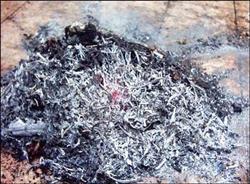
The chemical formula of wood ash is potassium carbonate (K2CO3). Wood ash fertilizer, being the ash left after plants are burned, contains almost all the mineral elements found in plants.
In general, wood ash has a relatively high content of potassium oxide; on average, 10 kg of wood ash is equivalent to the effective content of 1 kg of potassium sulfate. So homemade potassium fertilizer is mainly based on wood ash.
Benefits of making potassium fertilizer from wood ash:
Wood ash is suitable for potassium-loving crops, such as broad beans, potatoes, edamame, and sweet potatoes.
Wood ash can also be used as a cover for rice seedling beds or vegetable seedbeds, playing a warming role to raise soil temperature, reduce seedling rot, and also loosen the surface soil and make it easier to pull up seedlings.
Wood ash can be used as a base fertilizer and a top dressing. When used as a top dressing, it can be broadcast on the leaves during the crop growing period, generally at 50-100 kg per mu. Before application, mix it with 2-3 times its amount of moist soil to prevent it from being blown onto people by strong winds.
Precautions for homemade potassium fertilizer from wood ash:
To collect and store wood ash, it is best to build a permanent ash bin to prevent it from being blown away by wind or washed by rain, which would cause nutrient loss. Since wood ash is an alkaline fertilizer, it cannot be stored or used together with ammonium nitrogen fertilizers such as ammonium sulfate and ammonium nitrate. At the same time, it should not be stored together with human excrement or livestock urine, to avoid volatilization loss of ammonium nitrogen.
Click to get more nitrogen, phosphorus, and potassium application techniques
Click to get more chemical fertilizer application techniques