What are the respective roles of nitrogen fertilizer, phosphorus fertilizer, and potassium fertilizer?
What are the roles of nitrogen fertilizer, phosphorus fertilizer, and potassium fertilizer? What varieties of nitrogen fertilizer, phosphorus fertilizer, and potassium fertilizer are there? Is there any knowledgeable netizen who can help explain? Nitrogen fertilizer, phosphorus fertilizer, and potassium fertilizer are indispensable elements for agricultural planting, so Zhongdiwang has compiled the main roles and common varieties of nitrogen fertilizer, phosphorus fertilizer, and potassium fertilizer, listed in detail below...
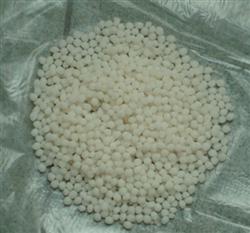 What are the roles of nitrogen fertilizer, phosphorus fertilizer, and potassium fertilizer? What varieties of nitrogen fertilizer, phosphorus fertilizer, and potassium fertilizer are there? Is there any knowledgeable netizen who can help explain?
Nitrogen fertilizer, phosphorus fertilizer, and potassium fertilizer are indispensable elements for agricultural planting, so Zhongdiwang has compiled the main roles and common varieties of nitrogen fertilizer, phosphorus fertilizer, and potassium fertilizer, listed in detail below for netizens' reference.
The role of nitrogen fertilizer:
Nitrogen fertilizer is fertilizer that supplies the nitrogen nutrients needed for plant growth. It is an important substance making up plant proteins. Plant chlorophyll, phospholipids, glycosides, nucleic acids, vitamins, and alkaloids all contain nitrogen. Nitrogen fertilizer can also help crops propagate. Applying nitrogen fertilizer can not only increase the yield of agricultural products, but also improve the quality of agricultural products.
Symptoms of crop nitrogen deficiency:
Crop nitrogen deficiency appears as the lower old leaves of the plant starting to fade from green to yellow from the leaf tips, then gradually spreading upward to the upper leaves. Nitrogen-deficient plants have gray-green or yellow leaves, narrow and small, new leaves emerge slowly, and the number of leaves is few. In severe cases, the lower old leaves of the plant turn yellow, dry up, and die. The stems of nitrogen-deficient plants are short, thin, and small, mostly woody, with few tillers and branches. When crops are deficient in nitrogen, flower and fruit development is delayed, grains are not plump, and in severe cases flowers and fruits drop, with abnormal premature aging, premature ripening, small seeds, and low yield.
Symptoms of excess nitrogen in crops:
Applying too much nitrogen fertilizer will delay the crop growth period and cause excessive vegetative growth and late ripening; for crops with a short growth period, it will cause the growth period to be prolonged, making them vulnerable to early frost damage. Applying too much nitrogen fertilizer will cause crops to grow excessively, with thin cell walls, increased leaf area, dark green leaf color, juicy cells, and soft plants, making them susceptible to mechanical injury and causing fungal diseases. When too much nitrogen fertilizer is applied, the crop population density is high, ventilation and light transmission are poor, and it easily leads to premature aging of the middle and lower leaves of the crop, poor resistance, easy lodging, and reduced seed-setting rate.
Types of nitrogen fertilizer:
1. Ammonium nitrogen fertilizer: common ones include ammonium sulfate, ammonium chloride, ammonium bicarbonate, ammonia water, and liquid ammonia.
2. Nitrate nitrogen fertilizer: common ones include sodium nitrate and calcium nitrate.
3. Amide nitrogen fertilizer: common ones include urea and calcium cyanamide (lime nitrogen).
The role of phosphorus fertilizer:
The main role of phosphorus fertilizer is to accelerate the growth of crop root systems, promote the absorption of water and nutrients by crops, improve crops' water use efficiency and their ability to get through short periods of drought during water shortage; phosphorus can promote flower bud differentiation and flowering and fruiting of crops such as cucurbits, solanaceous vegetables, and fruit trees, improving the fruit-setting rate of crops; phosphorus can also increase crop stress resistance, improving cold resistance, drought resistance, saline-alkali resistance, and disease resistance; phosphorus can also promote root growth of leguminous crops, shorten the time required for nodule development and activation, and increase the number of nodules.
Symptoms of crop phosphorus deficiency:
Crop phosphorus deficiency first appears as the plant starting from the lower leaves, with leaf margins gradually turning yellow, then dying and falling off; crop phosphorus deficiency also appears as few flowers, few fruits, delayed fruit ripening, and seeds that are small and not plump.
Symptoms of excess phosphorus in crops:
Excessive supply of phosphorus will make crop leaves thick and dense, with dark green leaf color; the reproductive organs of crops develop too early, thus inhibiting stem and leaf growth and causing premature aging of crops; leafy vegetables will have increased cellulose content, reducing eating quality, and poor uniformity; fruits will have poor coloring.
Types of phosphorus fertilizer:
1. Water-soluble phosphorus fertilizer: common ones include superphosphate, triple superphosphate, and ammonium phosphate (monoammonium phosphate, diammonium phosphate).
2. Citrate-soluble phosphorus fertilizer: common ones include calcium magnesium phosphate fertilizer, defluorinated phosphate fertilizer, and calcium hydrogen phosphate.
3. Sparingly soluble phosphorus fertilizer: common ones include bone meal and phosphate rock powder.
The role of potassium fertilizer:
Potassium fertilizer is fertilizer that supplies the potassium nutrients needed for plant growth. Applying an appropriate amount of potassium fertilizer can make grain seeds plump, promote the enlargement of root tubers such as potatoes and tuber crops, increase sugar content in fruits, sugarcane, sugar beets, etc., and increase tillering in grass crops such as rice and wheat. It can also make plant stems and roots thick and strong, not easy to lodge, and enhance drought resistance, cold resistance, and disease resistance.
Symptoms of crop potassium deficiency:
Crop potassium deficiency generally only shows in the middle and late stages of growth and development, appearing as slow plant growth and stunting; when potassium deficiency is severe, crop leaf margins wither and turn brown, stems are thin and weak, easy to lodge, with many tillers, few ears, small seeds, not plump fruit flesh, and deformed fruits.
Common types of potassium fertilizer include:Potassium chloride, potassium sulfate, potassium carbonate, potassium magnesium fertilizer, potassium magnesium sulfate fertilizer, plant ash.
How to use urea for good results
Is large-granule urea good?