Using potassium dihydrogen phosphate for foliar feeding of flowers and green plants: pay attention to 3 points to avoid fertilizer burn
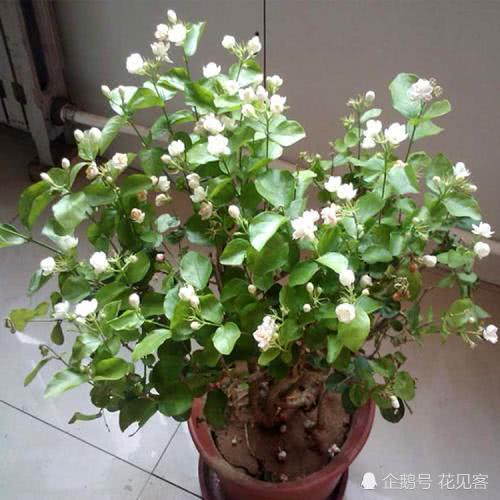
As people's living standards improve, many people keep some flowers and green plants at home, commonly including clivia, jasmine, and the happiness tree, to decorate the home and add a touch of green.
And plants need fertilizer for both growth and flowering, and potassium dihydrogen phosphate is a commonly used phosphorus-potassium fertilizer that many flower growers use for foliar feeding of plants. Its fertilizer strength is very strong and its effect is very obvious, but when applying it you must pay attention to these 3 points, otherwise it will backfire, provide no boost to the plants, and instead cause them to wither and die.
1. The concentration should not be too high
When using potassium dihydrogen phosphate for foliar feeding, it is mostly sprayed directly onto the branches and leaves, and the fertilizer is transported throughout the whole plant through the stomata. If the concentration is too high, it can easily burn the leaves, cause fertilizer burn, and affect the whole plant.
Generally, a prepared concentration of 0.1%-0.3% is most suitable. During the peak growth period, spraying about once a week is enough. In summer, when temperatures are high, spray when the temperature is lower, 1-2 times a month.
2. Spraying time
It is best to spray the potassium dihydrogen phosphate solution in the evening, as it is easily absorbed. If it is done in the morning, the fertilizer liquid can easily dry and stick to the leaf surface, making it impossible to absorb fully.
On the second day after spraying, the plant should be rinsed with water, that is, spraying the leaves with clean water to wash them, to prevent the fertilizer liquid from remaining on the leaves and affecting them.
3. Spraying method
For plants such as jasmine and the happiness tree, when spraying it is best to first spray from bottom to top, then spray at an angle, so that everything is sprayed evenly. For plants such as clivia and snake plant, you can use a misting method to spray, but it is still best to dip a cloth in the liquid and gently wipe the leaves, ideally from the leaf tip to the leaf base, wiping repeatedly 2-3 times so that they absorb it fully.
That is all for using potassium dihydrogen phosphate for foliar feeding of plants. If fellow flower growers have anything to add, you can share it with everyone in the comments section below. If you want to learn more about flower growing, you can follow Huajianke!