-
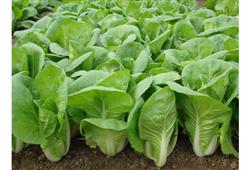
Application Methods of Potassium Fertilizer in Vegetable Cultivation
There are many types of potassium fertilizer, and different types have different application methods. Commonly used potassium fertilizers include potassium chloride, potassium sulfate, potassium-magnesium fertilizer and plant ash. Potassium chloride and potassium sulfate are physiologically acidic fertilizers and should be applied together with lime and organic fertilizer. For chlorine-sensitive crops such as potatoes, potassium chloride and potassium-magnesium fertilizer with high chlorine content should not be applied...
-
How to choose the right potassium fertilizer variety? The key lies in these four points
There are many types of nitrogen-containing fertilizers, such as urea, ammonium sulfate, ammonium bicarbonate, ammonium chloride, ammonium nitrate, etc. The utilization rate of various nitrogen fertilizers differs, and their effects are also different. A new type of nitrogen fertilizer with a high utilization rate - urea ammonium - has entered farmland, greatly improving the nitrogen fertilizer utilization rate. Compared with urea, urea ammonium has the following advantages. First, ...
-
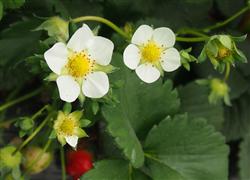
Rational application methods and technical key points for potassium fertilizer
Strawberries bloom and bear fruit continuously, with many flowers and a large fruit load, and a long flowering and fruiting period, so they consume a lot of phosphorus and potassium fertilizer. Once phosphorus is deficient and potassium is low during the flowering and fruiting period, cold resistance will decrease, few flowers will form, flower buds will be weak, and flowering and fruiting will be affected. Not only will the fruit-setting rate be low and the fruit prone to deformities, but the coloring will also be poor, the sugar content will drop, and the taste will be bland, ...
-
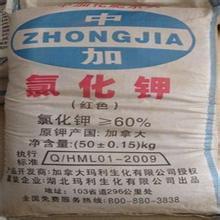
Five key points for efficient and scientific application of potassium fertilizer
Veteran vegetable grower Master Chang switched to growing tomatoes these past two years, and his yields and returns have remained good, because he pays close attention to soil testing and fertilization. When he tested his soil last year, the organic matter in his greenhouse soil reached 27.25g/kg. Because the soil organic matter content was relatively high, this spring he did not use organic fertilizer, but instead applied 40 kg of compound fertilizer per mu, 7...
-
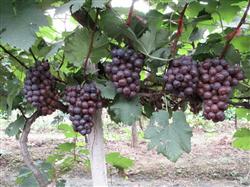
Applying potassium fertilizer to grapes makes the fruit sweeter and larger
During the grape growing season, potassium fertilizer is mainly applied as a foliar spray, because it has many advantages such as rapid absorption, good fertilizer efficiency, and timely supply. Foliar potassium spraying can be carried out together with pest and disease control, which saves labor. Grapes are a potassium-loving fruit tree; under potassium-deficient conditions, applying potassium gives higher yield and higher sugar content than not applying it...
-
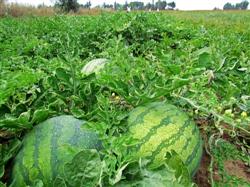
Why must potassium fertilizer be applied for watermelons to be sweet?
According to surveys, according to surveys, the problem of imbalanced nitrogen, phosphorus, and potassium content ratios in current watermelon field soil is relatively prominent. Watermelon is a crop that needs potassium. Increasing potassium fertilizer application can raise the sugar content of the fruit. When applying potassium fertilizer to watermelons, generally 12-18 kg of potassium sulfate can be applied per mu, that is, 2-3 kg per mu as base fertilizer, 6-8 kg as topdressing at the seedling stage, ...
-
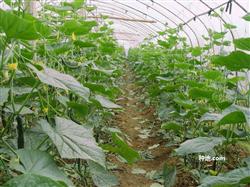
What methods are there for identifying potassium fertilizers? Understand potassium fertilizer identification in one article
How is water-soluble topdressing fertilizer used in greenhouses? What methods can be referenced? First, combine topdressing with water-soluble topdressing fertilizer and select high-quality fertilizers, mainly multi-element compound fertilizers, using a combination of topdressing and water-soluble application. This can both solve the problem of nutrient needs of surface roots and, through topdressing, activate the soil layer, increase root vitality, and slow...
-
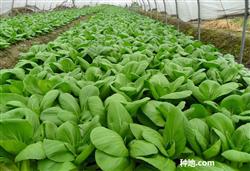
What is the correct method for applying potassium fertilizer to vegetables?
How do you apply potassium fertilizer when growing vegetables? What should you pay attention to? Potassium is one of the three essential fertilizer elements. Many vegetables need more potassium than nitrogen or phosphorus. Well-grown vegetables contain potassium at 2.5%-7% of their dry matter, higher than their nitrogen and phosphorus content. Most vegetables absorb more potassium than nitrogen. For example, cucumber absorbs nitrogen...
-
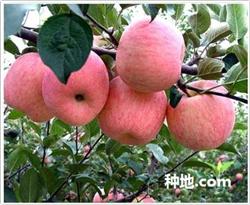
How to correctly apply potassium fertilizer to vegetables and fruit trees
How should potassium fertilizer be applied when growing apples? Need guidance. Potassium is one of the important elements needed by fruit trees, especially for improving apple quality and enhancing fruit quality, where it plays an irreplaceable role, so potassium fertilizer is also called fruit fertilizer. Applying potassium fertilizer at the right time and in the right amount can noticeably increase fruit size, raise sugar content, and improve color. ...
-
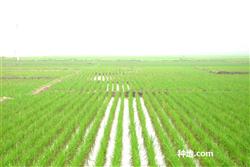
Methods and Key Technical Points for Scientific Potassium Fertilizer Application in Rice
How should potassium fertilizer be applied to rice? What method to use In rice production, scientific and rational application of potassium fertilizer plays an important role in cultivating strong seedlings, improving resistance to disease, insects and lodging, increasing the seed-setting rate, and achieving high and stable yields. According to monitoring, for every 500 kg of rice grain produced, about 15 kg of potassium chloride...
条件筛选