-

-
-
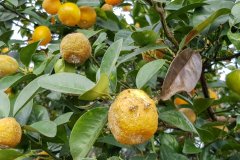
Kumquat Cultivation Technical Management: Simple Net House Cultivation of Kumquat, Kumquat Has Good Effect Against Fruit Flies
In the past, protected cultivation of fruit trees was mostly used for high-priced fruits or those difficult to protect from pests and diseases, such as papaya, vertical cultivation technology for oriental melon, etc. This year, Yilan also introduced kumquats cultivated in simple net houses. After more than 2 years of field investigation and evaluation, the Hualien District Agricultural Research and Extension Station found
-
What standard principles should be followed in the shaping and pruning of fruit tree bonsai?
Fruit tree bonsai has ornamental value throughout all four seasons: delicate flowers in spring, lush foliage in summer, abundant fruit in autumn, and upright, vigorous form in winter, making it full of the joy of life. China is extremely rich in fruit tree resources. Various wild fruit trees and their rootstock resources in the mountains and wilds can all be utilized.
-
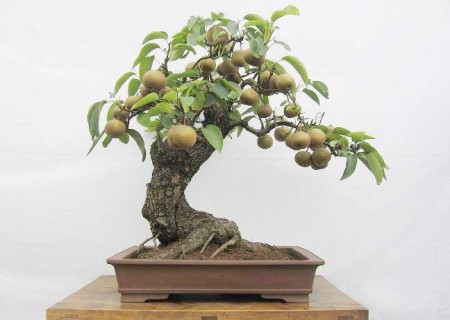
Basic principles to follow when pruning fruit tree bonsai
When a fruit tree bonsai has too many branches, it easily leads to scattered tree nutrition, insufficient internal light, poor fruit quality, and so on. Therefore, before the fruit tree buds in spring, crossing branches, overlapping branches, diseased and pest-infested branches, and water sprouts should be cut off; this is called basic pruning. During the summer fruit growth period
-
Golden Diamond pineapple's peak season is about to end this year; flower forcing should avoid the fruit production period
May to August each year is the peak season for summer fruits in Taiwan, China, including mangoes, watermelons and other summer fruits that come onto the market one after another. To avoid the pineapple peak season falling within the May to August summer fruit peak season and affecting prices, the Agriculture and Food Agency last year, targeting Golden Diamond pineapple, the pineapple variety with the largest planting area, assisted
-
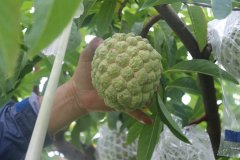
Where is the place of origin of sugar apple? Nutritional value, dietary taboos and preservation methods
Do you know the fruit sugar apple? Where did this fruit originate, and what are the nutritional values of sugar apple? Origin of sugar apple: The place of origin of the sugar apple cannot be determined with certainty; tropical America is where it was planted earlier and more widely. In the 16th century AD, it was introduced from South America to India, and by the early 17th century it was widely planted in India and southern China, and also spread to Australia, Polynesia, Hawaii, tropical America, Egypt and Palestine. According to documentary records, Taiwan, China's sugar apple was introduced during the Dutch occupation of Taiwan, and has been cultivated in Taiwan, China for more than 300 years.
-
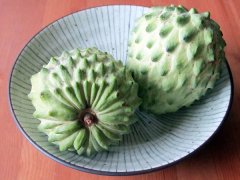
Atemoya: Benefits, Effects, How to Select, Store and Eat It
Winter to early spring (December to March) is the season for atemoya, also known as honey sugar apple. Atemoya is rich in protein, potassium, calcium, magnesium and vitamin C, and is good for beauty and skin care. It is known as one of the "world's three great fruits." Its sweet flavor makes it a real favorite! Come and see~ sweet and
-
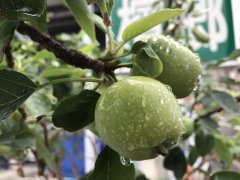
How to Grow Tropical Green Apple and Dwarf Apple and When to Thin the Fruit
The tropical apple varieties currently suitable for growing on the plains of Taiwan, China include Tropical Green Apple, Tropical Yellow Apple, Wuzhua Apple, and Dwarf Apple. Of these, Blue Mountain has personally grown and confirmed that Tropical Green Apple fruits well in the north; the other two still need more trial planting before we can know.
-
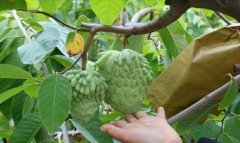
Pineapple Sugar Apple Cultivation Management Techniques and Harvesting Methods
Few people have heard the name of the fruit pineapple sugar apple, and even fewer have tasted its flesh. It differs from the sugar apple grown in Taitung in both fruit shape and taste. The pineapple sugar apple is sour, sweet, and chewy, with a very unique texture, especially noticeable during droughts in the plum rain season.
条件筛选